Tribeca Loft Architecture Lifestyle and Daily Living
June 11, 2026
June 11, 2026
If you have ever wondered why one Tribeca home feels airy and dramatic while another feels polished and hotel-like, the answer usually starts with architecture. In Tribeca, the building itself can shape how you wake up, work from home, entertain, store your things, and move through the neighborhood each day. Understanding those differences can help you buy or sell with more clarity, especially in a market where lofts, conversions, and newer towers offer very different living experiences. Let’s dive in.
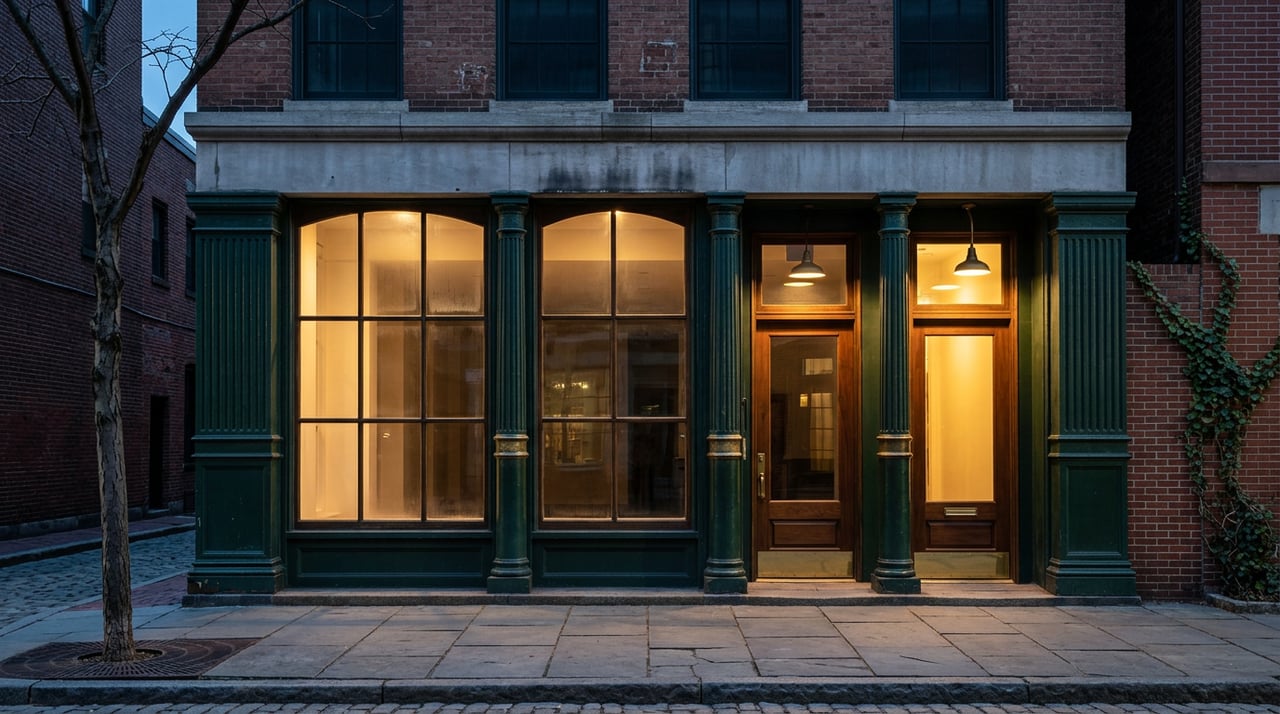
Tribeca’s architecture reflects its evolution from early residential blocks into a market and warehouse district tied to Hudson River shipping. That history still shows up in the neighborhood’s streetscape today, with Federal-era remnants, warehouse conversions, store-and-loft buildings, cast-iron fronts, and newer commercial and residential towers.
The neighborhood’s protected historic core includes the Tribeca East, North, South, South Extension, and West historic districts. These areas help preserve the coherent streetscape and distinct sense of place that many buyers and sellers associate with Tribeca.
Each historic district adds a slightly different version of the same industrial-commercial story. Tribeca East is known for mercantile buildings with cast-iron storefronts, Tribeca North includes some of the city’s earliest surviving industrial buildings and large brick warehouses, Tribeca South features 5-story Italianate cast-iron store-and-loft buildings, and Tribeca West stands out for vernacular commercial buildings, granite-slab sidewalks, and Belgian-block pavers.
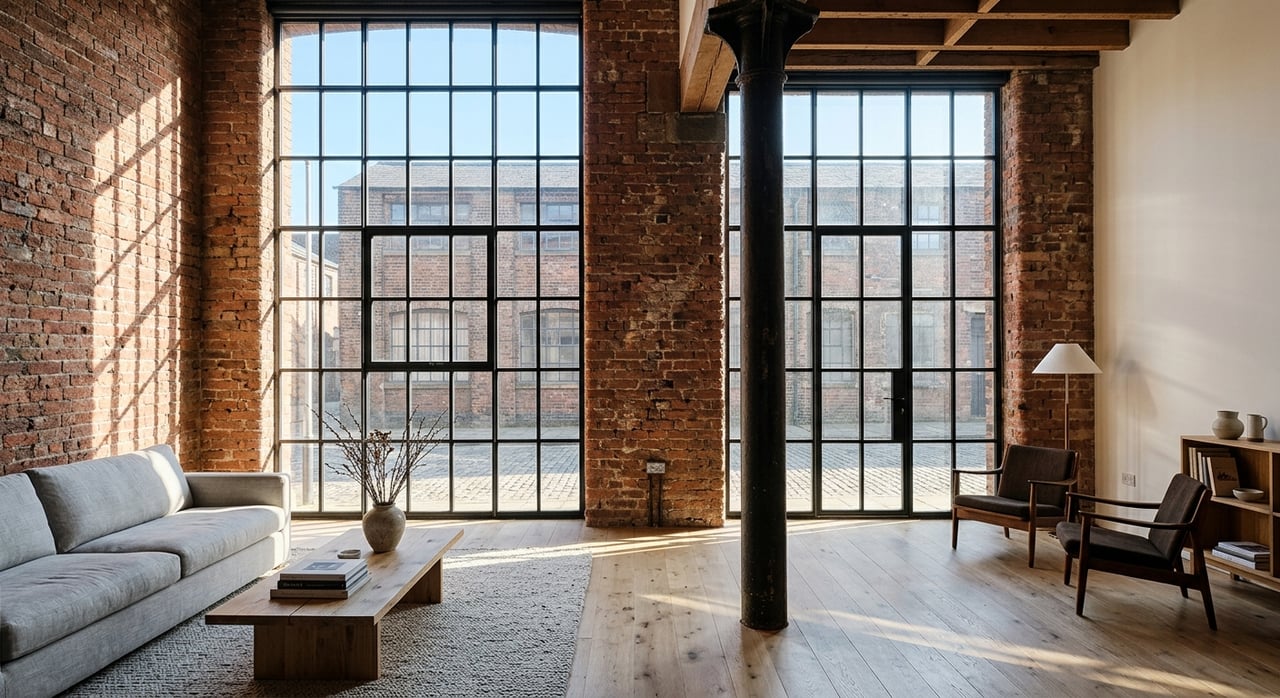
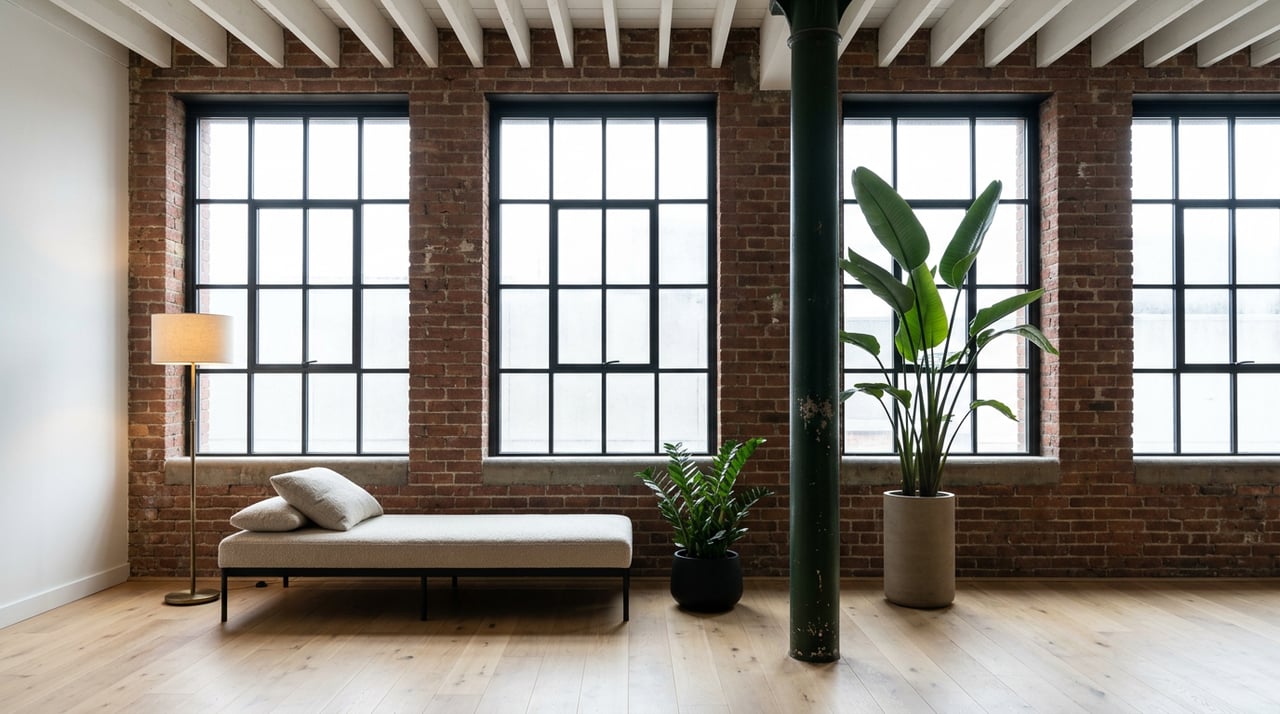
Many of Tribeca’s best-known homes come from older commercial buildings that were later converted for residential use. Because these buildings were not originally designed as modern apartments, they often preserve structural columns, long spans, and high ceilings that make everyday living feel visually expansive.
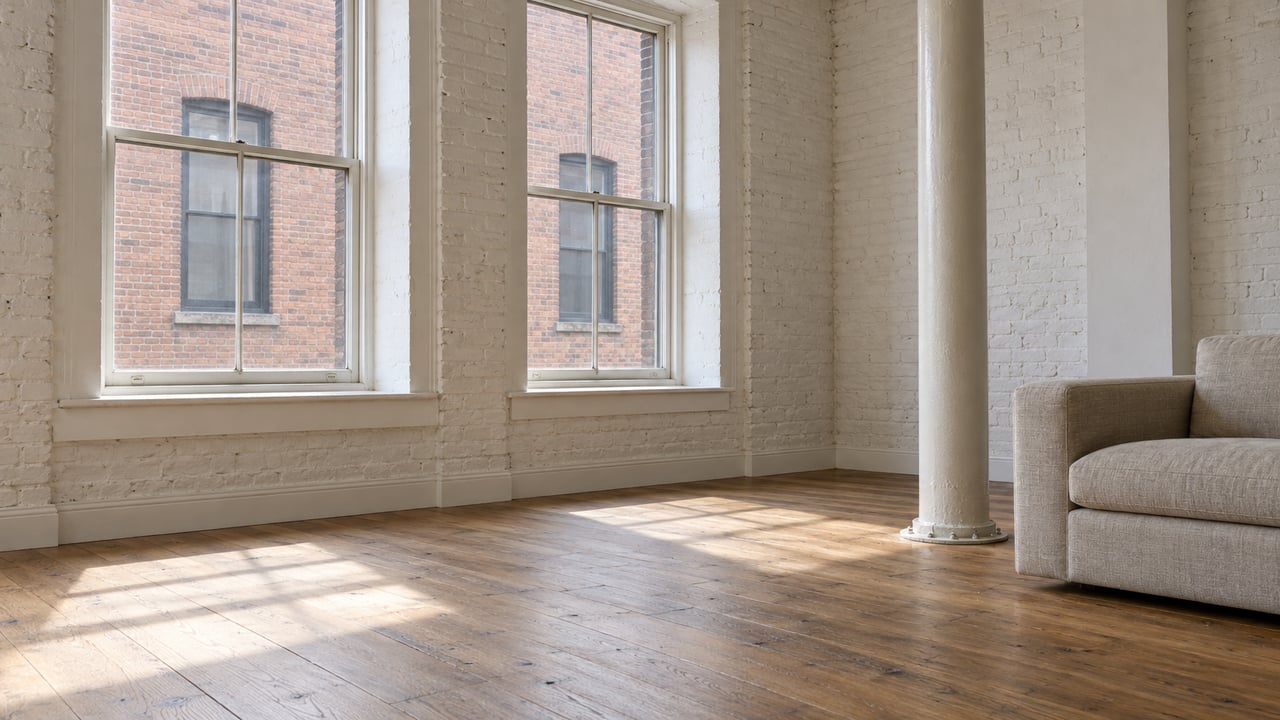
A recent conversion at 66 Reade offers a useful example of this pattern. The apartment opens directly from the elevator, leads into a large open-plan living and dining space, and keeps historic details like an original cast-iron column and exposed wood beam, along with 11-foot ceilings and tall windows in the primary suite.
That design can make a home feel larger than the square footage alone might suggest. In practical terms, it often gives you more freedom to shape the space around your routines, whether that means creating one large entertaining area, carving out a home office corner, or keeping the layout relatively open.
The biggest appeal of a loft is often flexibility. Open layouts can adapt well if you want a space that changes with your needs, especially if you work from home, host often, or prefer fewer rigid room divisions.
At the same time, openness can come with tradeoffs. Privacy and sound control may depend more on the layout and finishes than on the apartment’s overall size, especially in homes with fewer enclosed rooms.
That is why the same architectural feature that feels dramatic on a first tour can affect daily comfort in more subtle ways after move-in. A beautiful open room may feel inspiring, but it is still worth thinking through where you would take calls, place storage, or create separation between living and sleeping areas.
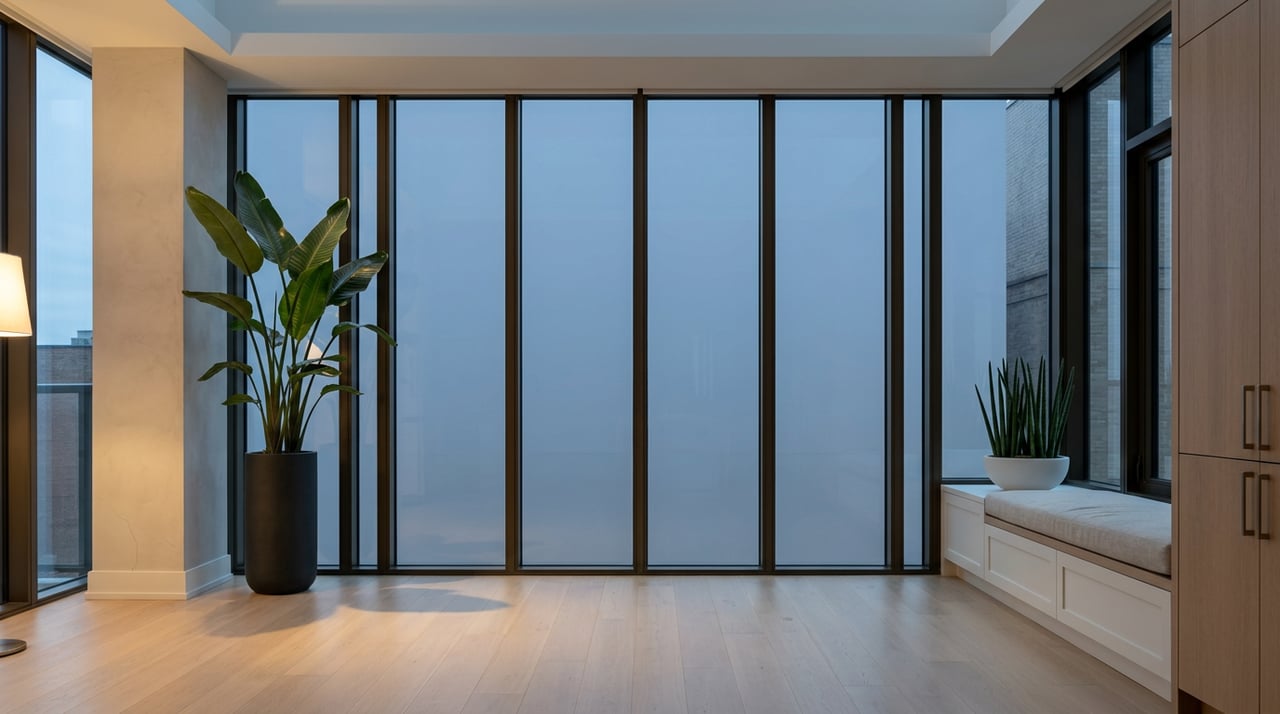
Large windows are a major part of Tribeca loft appeal, but they also shape the sound and light conditions inside the home. The Federal Highway Administration notes that windows are among a building’s weakest points for sound insulation, and that thicker glass or double-glazed windows can improve noise reduction.
Window size, sealing, and orientation also affect how much sound enters a space. In Tribeca, that means a loft with striking light and oversized openings may feel quieter or louder depending on glazing quality, street exposure, and bedroom placement.
For buyers, this is a practical reminder to look beyond aesthetics. During a showing, it helps to notice not just how the windows look, but how the apartment sounds and how the light changes across the layout.
Tribeca’s newer glass towers create a very different living experience from older loft buildings. Instead of raw volume and preserved industrial details, these homes often emphasize managed comfort, consistent finishes, sweeping views, and shared amenities.
At 111 Murray, the design includes a nearly 800-foot glass tower with rounded corners, a public landscaped plaza, a double-height lobby, and private elevator vestibules. The project is framed around uninterrupted views, open living spaces, and a large amenity offering.
At 56 Leonard, that tower model goes even further, with 145 residences, window walls up to 14 feet, private outdoor spaces, and amenities such as a library lounge, indoor and outdoor theater, infinity-edge lap pool, sundeck, hot tub, fitness center, yoga studio, and conference center.
In daily life, newer towers often shift the focus from highly individual floor plans to convenience and service. You may spend more time using shared amenities, relying on staff-supported arrivals, and enjoying standardized interiors that feel more turnkey from day one.
That can be especially appealing if you want a more streamlined lifestyle. Rather than treating the apartment as the only source of comfort or flexibility, many tower buildings spread that experience across the full property, from lobby to lounge to fitness spaces.
This does not make one housing type better than the other. It simply means that architecture influences your routine in different ways, and the right fit often depends on whether you value character and spatial drama or convenience and building services more.
More glass can mean more light and stronger views, but it also makes window performance a key issue. Since windows are weaker points in sound control, glazing specs, window operation, and traffic exposure become important details to ask about.
If you are touring a newer Tribeca building, pay attention to how the home feels when the windows are closed, what direction the unit faces, and whether the layout places bedrooms away from noisier exposures. Those questions can tell you as much about day-to-day comfort as the finishes or amenity package.
One reason Tribeca stands apart is that the neighborhood’s architecture connects closely to the public realm. On the west side, direct access to Hudson River Park adds another layer to daily life that goes well beyond what happens inside the building.
The park’s Tribeca section includes Pier 25 and Pier 26, along with a boardwalk through native plantings, a dog run, courts, mini golf, kayaking, playgrounds, and dining. That means your daily routine may naturally extend from loft or tower living to waterfront walks, recreation, and time outdoors.
In that sense, Tribeca living is not only about private square footage. The combination of historic streets, river access, and a walkable public environment can shape how you balance home size, views, amenities, and outdoor access.
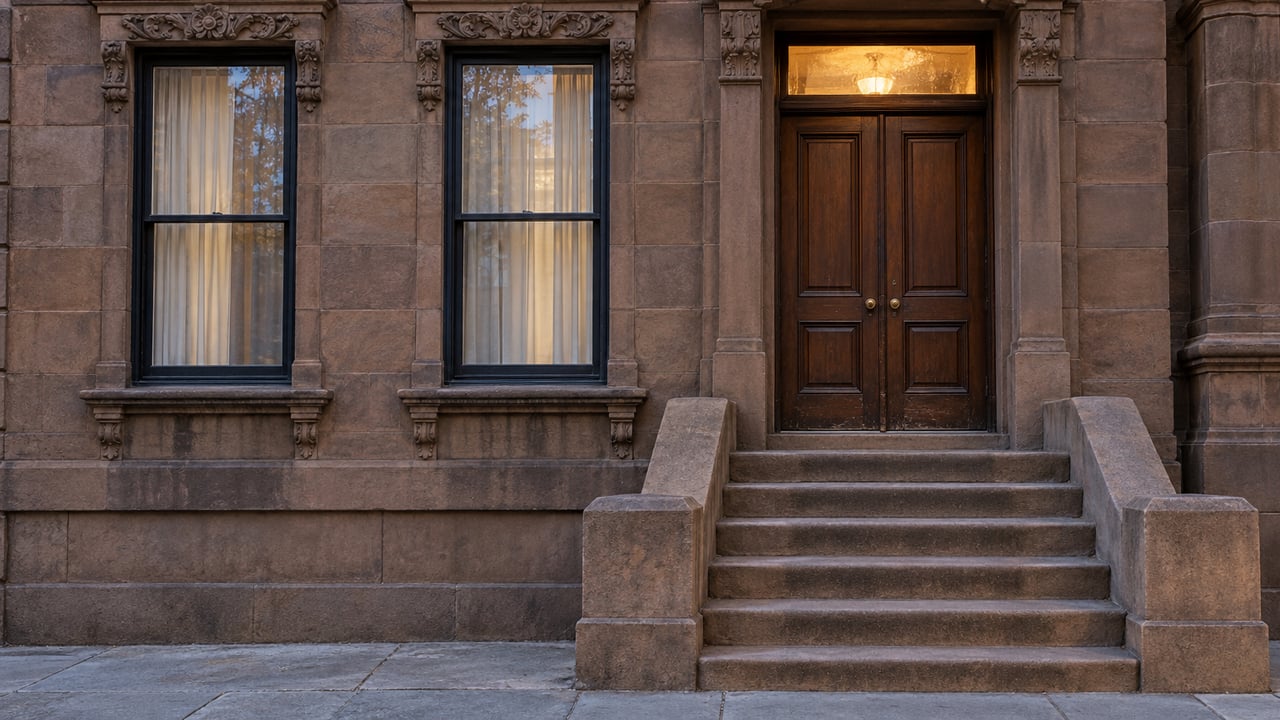
In Tribeca, architecture is also tied to regulation and long-term preservation. If a building sits within one of the neighborhood’s historic districts, exterior changes may be subject to review by the Landmarks Preservation Commission.
According to the city, most exterior alterations and new construction affecting landmarked properties require review, while interior work usually does not unless it affects the exterior or a designated interior landmark. For buyers, that matters because it can shape what kinds of exterior updates are possible over time.
For sellers, historic district location can also be part of the property story. Many buyers see value in a streetscape that retains its original character, especially in a neighborhood where architectural identity plays such a large role in demand.
Whether you are buying a loft or preparing to sell a modern condo, the most useful questions are often the most practical ones. Architecture is not just a style choice in Tribeca. It affects comfort, flexibility, and how a home functions every day.
Here are a few smart questions to keep in mind:
These questions can help buyers compare homes more realistically. They can also help sellers understand which property features deserve stronger positioning when bringing a Tribeca home to market.
Tribeca’s architecture does much more than create curb appeal. Older lofts often feel flexible, textured, and spatially dramatic, while newer towers often feel view-oriented, service-driven, and amenity-rich.
That difference shows up in small daily moments, from how sound moves through the apartment to where you put a desk, how you host friends, and how quickly you can get to the waterfront. When you understand that connection between architecture and daily living, you can make more confident decisions about what type of Tribeca home truly fits your lifestyle or how to position your property for the right buyer.
If you are thinking about buying, selling, or renting in Tribeca, working with a team that understands both the neighborhood’s building stock and its buyer expectations can make the process much more strategic. Connect with The Heard | Khedr Team for tailored guidance on navigating Tribeca’s lofts, condos, and evolving residential market.
Stay up to date on the latest real estate trends.
Get In Touch With Our Team To Learn More

Heema Khedr
110 Fifth Avenue, Floor 7 New York NY 10011