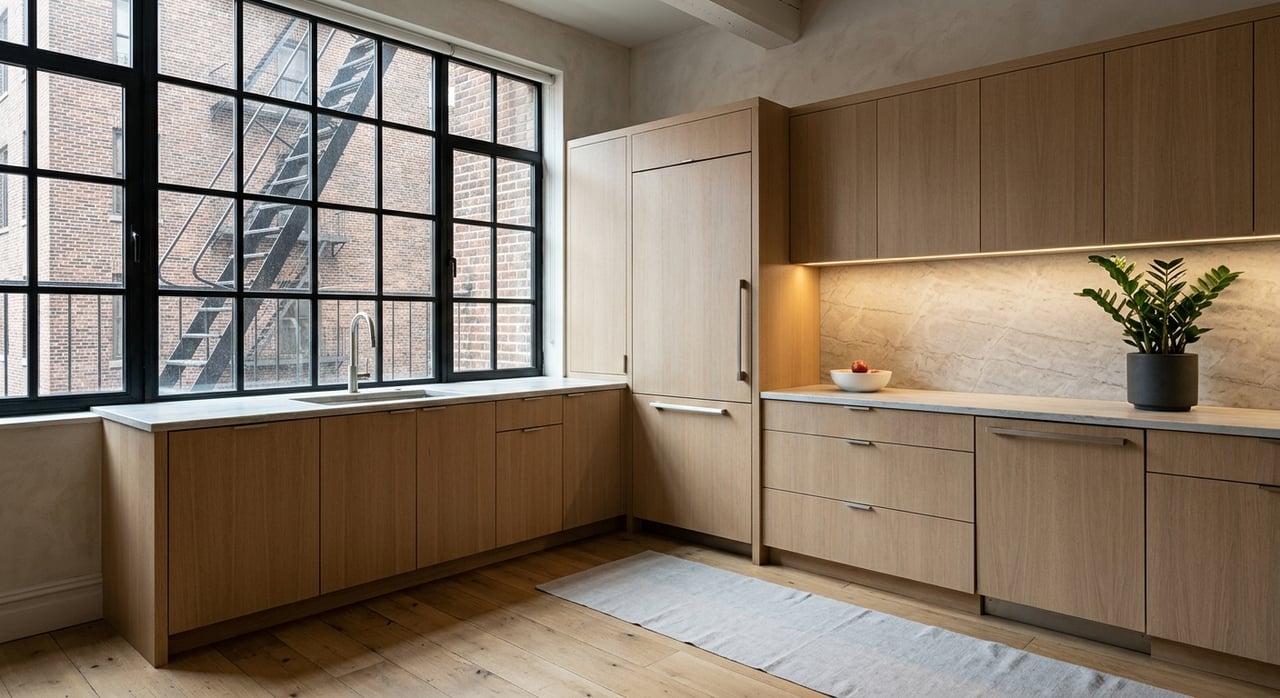
Planning Renovations In Soho Co-ops And Condos
July 2, 2026
July 2, 2026
Renovating in SoHo can look exciting on paper and feel complicated the moment you start asking questions. If you are planning updates in a co-op or condo, you are not just choosing finishes and contractors. You are also dealing with building rules, city permits, and in many cases landmark-related review. A smart plan can help you avoid delays, protect your budget, and make better decisions before you begin. Let’s dive in.
SoHo is not a typical Manhattan renovation environment. Much of the neighborhood sits within the SoHo-Cast Iron Historic District, which means exterior changes often require review by the Landmarks Preservation Commission, also called LPC.
That matters even when your project feels mostly interior. If your renovation affects windows, vents, HVAC penetrations, or other visible building elements, landmark review may become part of the process. Before you assume your project is routine, confirm whether your specific building is landmarked or located within the historic district.
If you own in a co-op, you are buying shares in a corporation along with a proprietary lease for your apartment. In a condo, you own the unit as real property. That difference affects ownership structure, but in both cases, renovation work is usually controlled by the building’s governing documents.
For many SoHo buildings, that means you may need to follow bylaws, house rules, and an alteration agreement before work can start. These documents often spell out what plans the board wants to review, what insurance your contractor must carry, what deposits are required, and how inspections will be handled.
One of the most common renovation mistakes in NYC is assuming board approval means you are cleared to begin. In most SoHo co-ops and condos, that is only one part of the process.
Board approval does not replace legal compliance with city rules. If your project requires Department of Buildings approval, permits, or LPC review, you usually need those too. The owner remains responsible for making sure the work complies with building requirements, code requirements, and any applicable city agency rules.
Many alteration packages include a similar set of requirements. While every building is different, you should be prepared for requests like these:
These costs and steps can affect your timeline just as much as construction itself. That is why it helps to understand the paperwork early, especially if you are buying with renovation plans in mind.
If you are considering a SoHo co-op or condo because you want to renovate, due diligence matters. The New York State Attorney General recommends reading the full offering plan and notes that board minutes can be a very good source of information.
You should also pay close attention to the building’s physical systems. Items like the facade, roof, windows, electrical wiring, plumbing, heating, cooling, and elevators can shape what is possible, what will cost more, and what may require deeper coordination with the building.
Most construction work in New York City requires Department of Buildings approval and permits. For apartment renovations, many kitchen and bathroom projects require an ALT2 filing. DOB lists common examples such as adding a bathroom, rerouting gas piping or electrical outlets, or moving a load-bearing wall.
Some cosmetic updates may not need a DOB permit. Painting, plastering, installing new cabinets, replacing plumbing fixtures, and resurfacing floors are examples DOB identifies as permit-free in many cases.
Even so, permit-free does not mean rule-free. Contractors performing home improvement work must still have the proper licensing when required, and co-op and condo units are covered by the home improvement contractor license requirement for Alteration 1, 2, and 3 filings.
If your project needs plans and permits, DOB says those plans must be filed by a New York State licensed professional engineer or registered architect. That is a key reason SoHo renovations should start with the right team, not just a design idea.
Trade work has its own rules as well. Plumbing changes involving the alteration, rearrangement, relocation, or permanent removal of piping must be supervised by a Licensed Master Plumber. Most residential electrical work requires an electrical permit and must be performed by a DOB-licensed electrical contractor.
Skipping these requirements can create real problems. DOB warns that unpermitted electrical work can lead to violations, summonses, court appearances, and fines.
Many SoHo renovations happen in buildings where residents are actively living in other units. In those cases, DOB tenant-protection requirements can affect how quickly work begins.
DOB says a Tenant Protection Plan must be submitted before a permit can be obtained when at least one dwelling unit is occupied. The plan must address issues such as egress, fire safety, dust and debris control, noise restrictions, and maintaining essential services.
If asbestos-related work is involved, another step may apply before permits move forward. The permit holder must first present a remediation plan to the Department of Environmental Protection and receive a Notice to Proceed.
In SoHo, LPC review can run alongside DOB review. That is one reason renovation timelines here often feel longer than expected.
LPC states that exterior work on landmarked buildings or buildings in historic districts needs a permit. LPC also notes that interior work can require approval when it needs a DOB permit, affects the exterior, or involves a designated interior landmark.
This means a project that starts as an interior update can become more layered if it touches anything visible from the outside. Window replacements, facade penetrations, and certain ventilation or HVAC changes are common examples where landmark review may matter.
The safest way to plan a SoHo renovation is to assume the most restrictive applicable rules will shape the process. That usually means accounting for three separate layers:
If all three apply, the project has to satisfy all three. This is why process matters just as much as design in SoHo.
Renovation budgets in SoHo should go well beyond the contractor’s proposal. A realistic budget may also include architectural or engineering fees, permit costs, insurance, board processing fees, security deposits, review deposits, and reimbursement of the building’s outside professionals.
Some alteration agreements also allow for attorney review costs, engineering review costs, inspection expenses, monitoring expenses, and deposit replenishment obligations. If you do not build those into your early numbers, your budget can shift fast.
In many SoHo co-ops and condos, approvals take longer than demolition. Board review, DOB filing, and possible LPC review can all happen before physical work begins.
That means your real timeline may stretch from weeks into months depending on the scope and the building. There is no single citywide rule for how long a full renovation takes, but it is reasonable to expect approvals to drive the pace.
LPC does offer expedited staff review for some limited cases, and certain interior work at landmarked properties may be issued quickly. Still, that should not be treated as the standard path for a full apartment renovation.
If resale matters, the best renovation is not always the most expensive one. Recent 2025 remodeling data from the National Association of Realtors suggests that smaller, market-friendly updates often recover more of their cost than heavily customized overhauls.
That report estimated about 60 percent cost recovery for both a complete kitchen renovation and a minor kitchen upgrade, along with 56 percent for a bathroom addition. For a SoHo co-op or condo, that supports a practical strategy: focus on durable, functional improvements that appeal to a broad range of future buyers.
Highly personalized finishes or complex custom layouts may suit your taste, but they may not deliver the same flexibility at resale. In many Manhattan buildings, thoughtful restraint can be a strength.
Before you start, work through this short checklist:
A successful SoHo renovation is rarely about moving fast. It is about making informed decisions in the right order.
Whether you are buying a loft with renovation potential or preparing your current apartment for a smart upgrade, local building knowledge can save you time and costly surprises. If you want guidance on choosing the right property, evaluating renovation upside, or positioning updates for future resale, connect with The Heard | Khedr Team.
Stay up to date on the latest real estate trends.


Get In Touch With Our Team To Learn More

Heema Khedr
110 Fifth Avenue, Floor 7 New York NY 10011