SoHo Lofts vs Conversions: Which Lifestyle Fits Best?
June 25, 2026
June 25, 2026
If you are torn between a polished SoHo condo conversion and a classic industrial loft, you are not alone. In this neighborhood, the choice is rarely just about finishes or square footage. It is about how you want to live, what tradeoffs you can accept, and how SoHo’s rules can shape your options. Let’s dive in.
SoHo is not a plug-and-play condo market. The neighborhood is shaped by preservation rules, older building stock, and a mixed-use framework that keeps its architectural character intact.
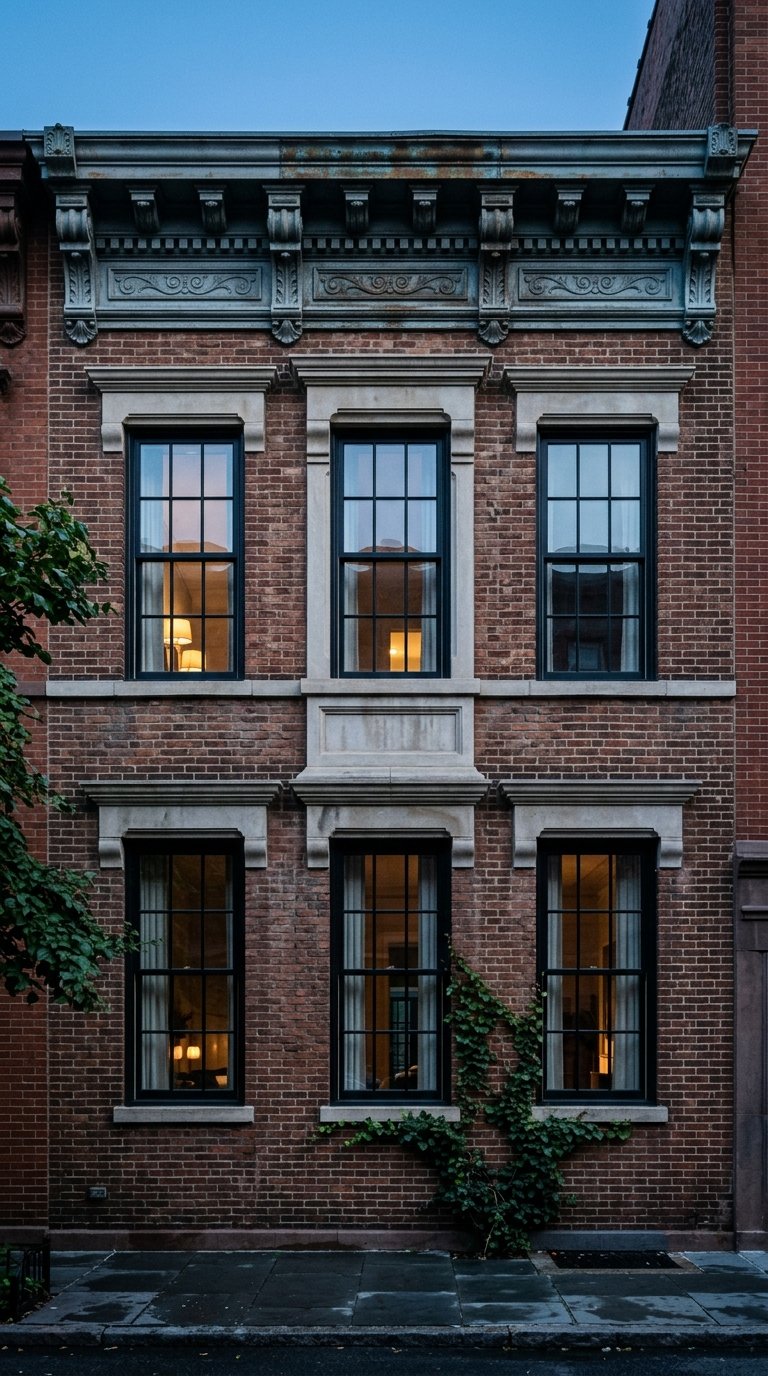
The SoHo-Cast-Iron Historic District, designated in 1973, covers roughly 26 blocks and about 500 buildings. Because many properties sit within landmarked districts, exterior work, demolition, and new construction often require review by the Landmarks Preservation Commission, which can affect what changes are realistic for windows, facades, and renovation plans.
That context matters when you compare a classic loft with a newer-feeling conversion. In SoHo, the difference is not only style. It can also include legal status, renovation flexibility, and the level of day-to-day building service you receive.
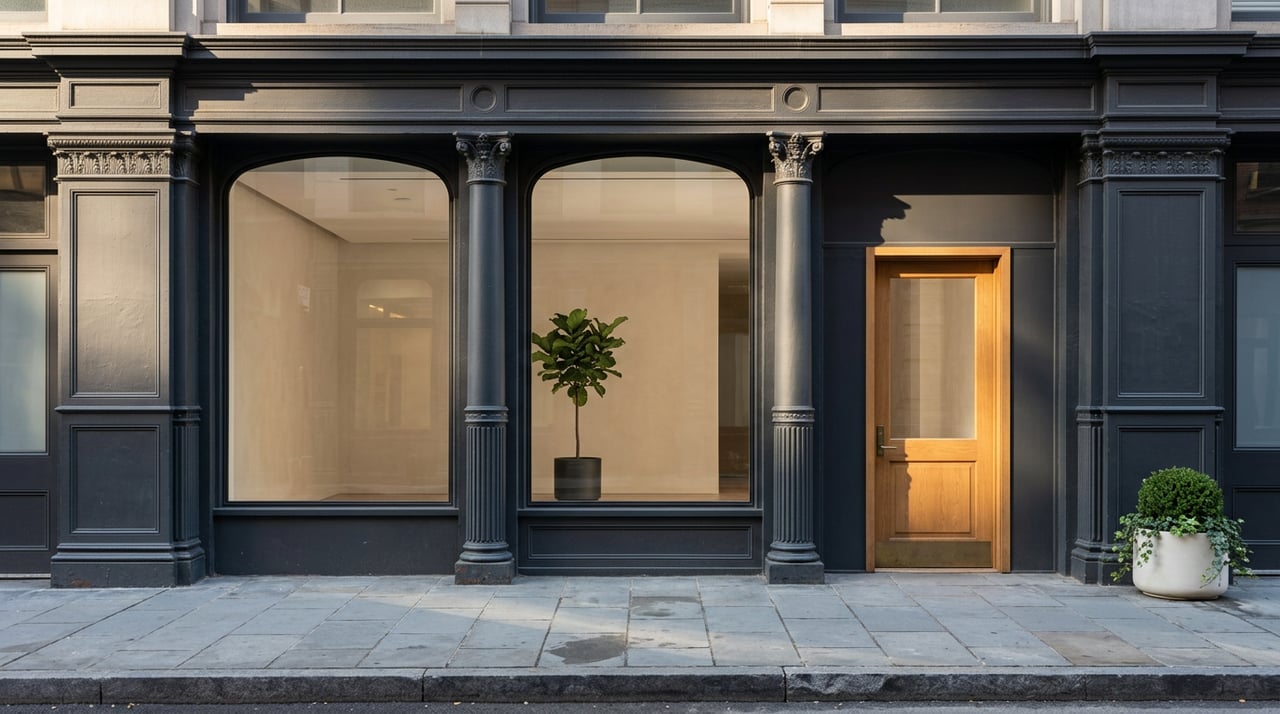
Classic SoHo lofts grew out of 19th-century commercial and manufacturing buildings. Their cast-iron construction made larger windows, high ceilings, and broad floor spans possible, which is a big part of why loft living still feels so distinct today.
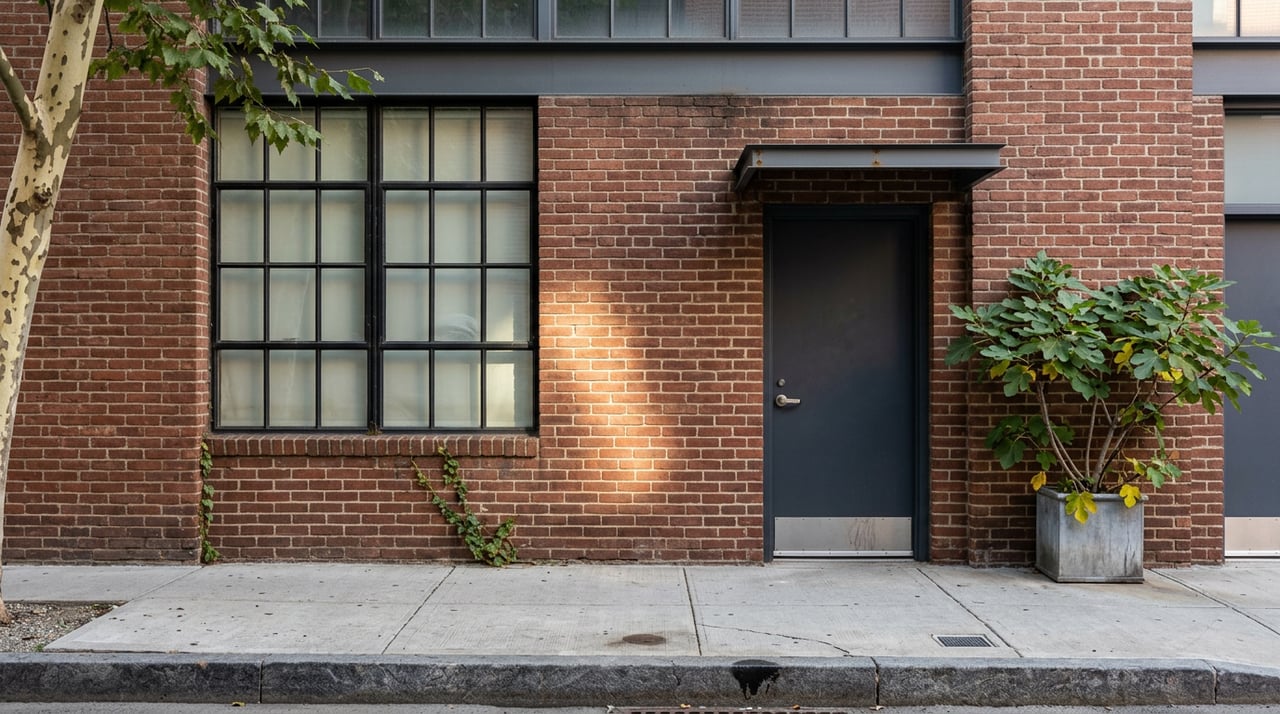
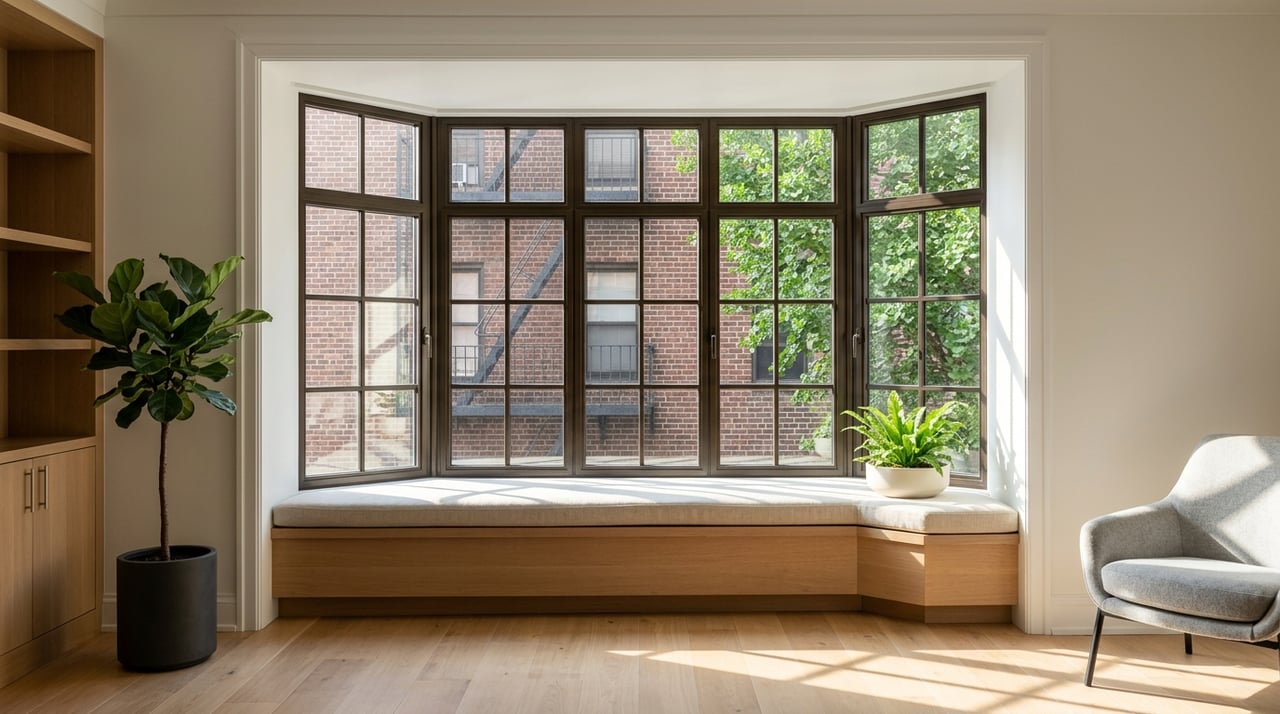
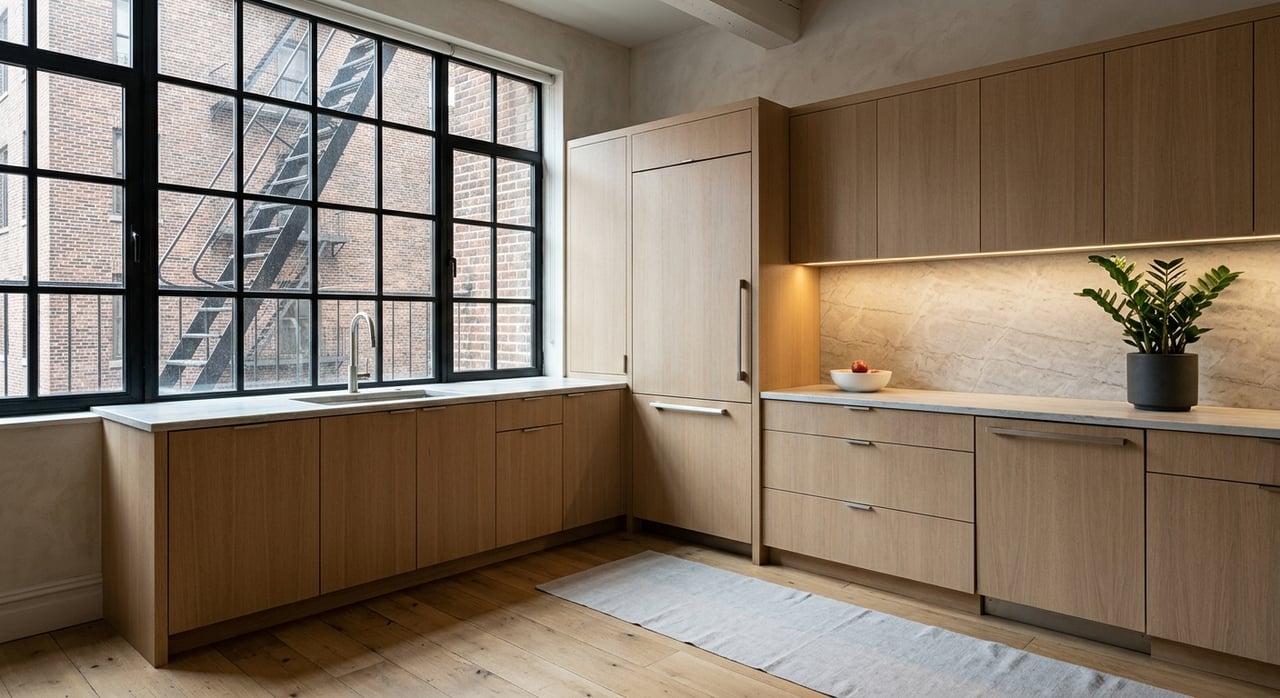
Inside, these homes often feature open layouts, columns, exposed brick or beams, and large factory-style windows. The result is a space that feels airy, flexible, and deeply tied to SoHo’s architectural identity.
One of the biggest advantages is adaptability. A loft can remain largely open, or the same footprint can often be divided into one-bedroom, two-bedroom, or more segmented layouts depending on the configuration.
That said, open volume comes with tradeoffs. Large spaces can be less forgiving when it comes to sound control and energy use, so heating, cooling, and acoustic comfort may deserve more attention than they would in a more conventional apartment.
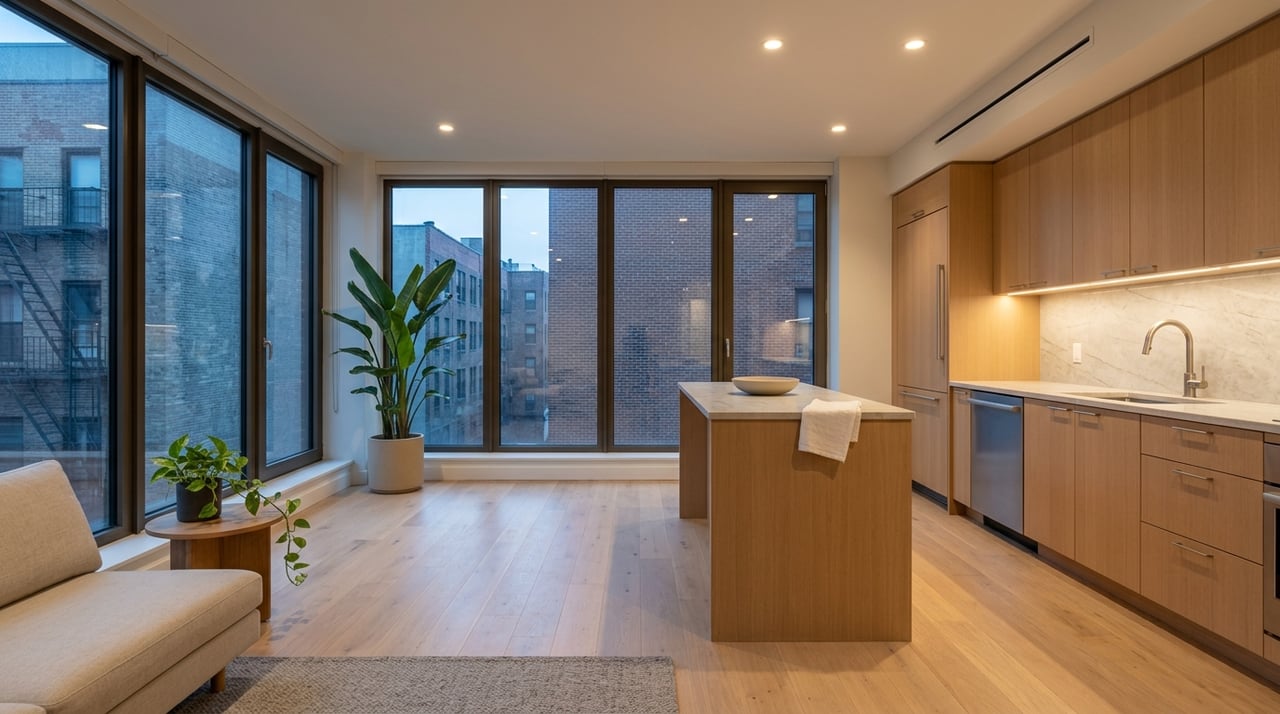
In SoHo, a condo conversion may still be a loft at heart. Many homes that feel newer or more turnkey are still located within converted loft buildings rather than fully new towers.
What usually changes is the package around the space. Condo conversions and newer development often emphasize updated systems, more standardized infrastructure, and service-driven living.
Recent SoHo condo listings show what that can include. Buildings like XOCO 325, The New Museum Building, and 40 Mercer advertise features such as concierge or doorman service, fitness areas, private or shared outdoor space, storage, bicycle storage, and in some cases parking and wellness amenities.
These homes do not always sacrifice scale, either. Some listings in this part of the market still show ceilings near or above 11 feet, floor-to-ceiling windows, or even double-height spaces.
For many buyers, this decision comes down to character versus convenience. A classic loft often delivers architectural texture, openness, and a stronger sense of original SoHo fabric.
A conversion or newer condo often offers more predictability. You may find a more turnkey feel, easier-to-understand building services, and amenities that support a smoother daily routine.
Neither choice is automatically better. The right fit depends on whether you value raw volume and flexibility more, or whether building infrastructure and service matter more to your lifestyle.
A classic loft can feel dramatic the moment you walk in. High ceilings, long sightlines, and oversized windows often create a sense of scale that is hard to replicate.
That openness can be a real asset if you want a live-work-style layout, generous entertaining space, or room to customize. It can also mean fewer naturally separated rooms, which may matter if you need privacy for guests, remote work, or a growing household.
A condo conversion often feels more structured. Even when the apartment keeps loft-like proportions, the layout may read as more intentional, with clearer bedroom zones, more modern mechanical systems, and a more managed building experience.
The right question is not just which one looks better in photos. It is which one supports the way you actually move through your day.
In SoHo, legal status should never be treated as a minor detail. For buyers and renters, it is a core part of the housing decision.
The city changed the rules after December 15, 2021, and SoHo and NoHo no longer allow new conversions to JLWQA use. Existing JLWQA units and Loft Law IMD units follow their own legal rules, which means one loft may not function the same way on paper as another nearby home that appears similar online.
This is one reason due diligence matters so much in SoHo. Before you fall in love with a layout or a building’s style, you want to understand whether the unit is a legal residential home and how its status may affect use, ownership, or future plans.
If you are hoping to personalize a home, SoHo’s landmark context deserves close attention. In designated historic districts, approval is required before many alterations, and the Landmarks Preservation Commission specifically notes that replacing modern windows can trigger review.
That does not mean renovation is impossible. It means renovation may be more controlled than buyers expect, especially when work affects what is visible from the exterior.
This can be especially important if your wish list includes changing windows, modifying facade-facing elements, or making larger updates that interact with the building envelope. A classic loft may feel like a blank canvas inside, but the building itself still sits within a regulated context.
When you compare SoHo conversions and classic lofts, a few questions can quickly sharpen the picture:
These are practical questions, but they also help protect you from buying based on vibe alone. In SoHo, appearance and function do not always line up as neatly as they might in newer neighborhoods.
| Feature | Classic Loft | Condo Conversion |
|---|---|---|
| Architectural feel | Original industrial character | Often loft-inspired with updated finishes |
| Layout | More open and flexible | Often more structured and turnkey |
| Windows and ceilings | Large windows, high ceilings common | Can still offer strong scale and tall ceilings |
| Building services | May be more limited | More likely to include concierge, storage, fitness, or similar amenities |
| Renovation context | Interior flexibility, but landmark rules still matter | Landmark rules may still matter depending on building |
| Key caution | Sound, energy use, and legal status | Legal status and true level of service or layout value |
If you are drawn to authenticity, volume, and the chance to shape space around your lifestyle, a classic loft may feel like home. It can offer a kind of architectural presence that is hard to duplicate.
If you prefer a more turnkey experience with stronger building infrastructure and service, a condo conversion may be the better match. You may give up some rawness, but gain consistency and convenience.
In SoHo, the smartest decision usually comes from looking past labels. “Loft” and “conversion” can overlap here, so what matters most is how the specific unit lives, what rules apply to it, and whether it supports your real goals.
If you want help comparing SoHo lofts, condo conversions, or resale opportunities across downtown Manhattan, connect with The Heard | Khedr Team for tailored guidance grounded in how these buildings actually function.
Stay up to date on the latest real estate trends.
Get In Touch With Our Team To Learn More

Heema Khedr
110 Fifth Avenue, Floor 7 New York NY 10011