Buying Into Boutique Tribeca Condos With Confidence
June 18, 2026
June 18, 2026
If you are looking at boutique condos in Tribeca, you are probably drawn to something bigger than square footage alone. You may want privacy, architectural character, and a home that feels distinct from a standard full-service tower. The upside can be real, but so is the need for sharper due diligence. This guide will help you understand what makes boutique Tribeca condos different, what to verify before you buy, and how to move forward with more confidence. Let’s dive in.
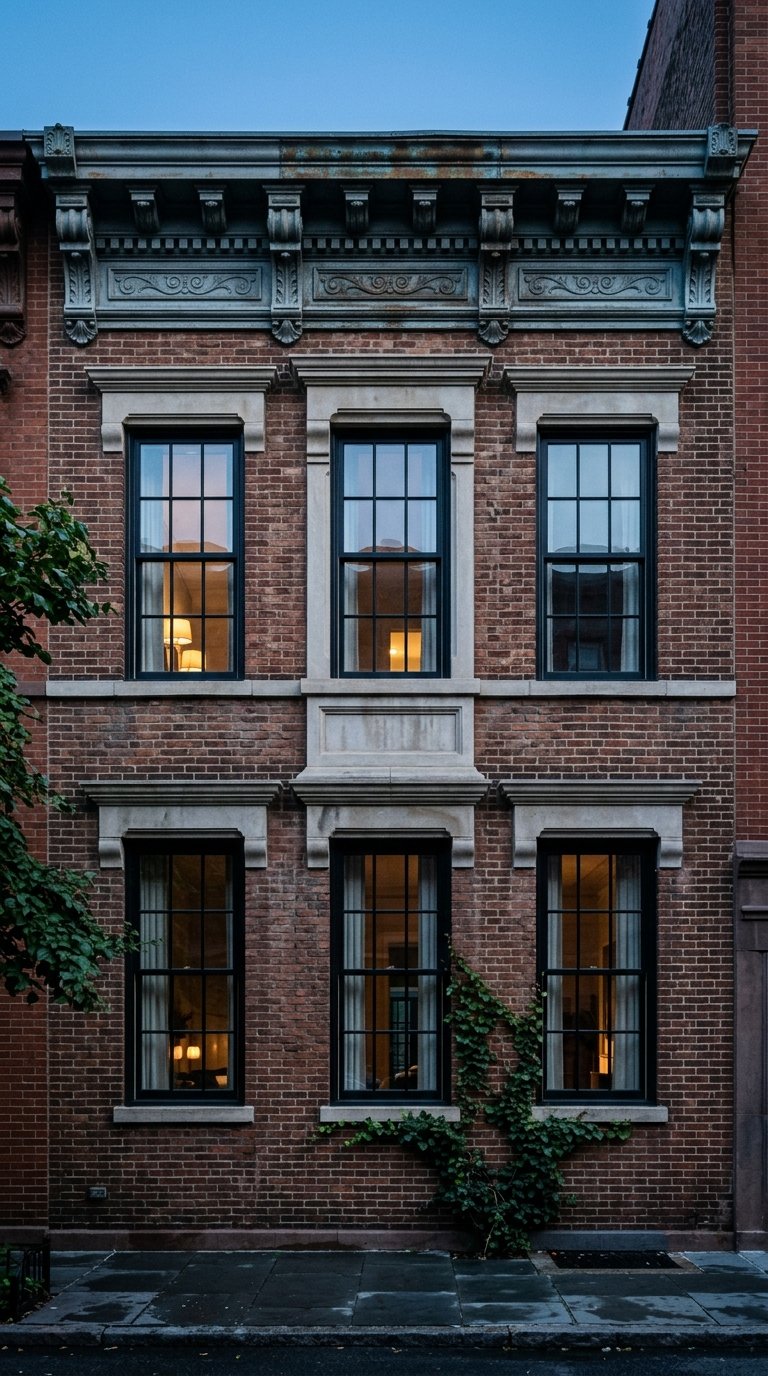
Tribeca is not a one-note condo market. Its building stock reflects a mix of converted lofts, older commercial buildings, and context-sensitive new development shaped by the Special Tribeca Mixed Use District and multiple local historic districts.
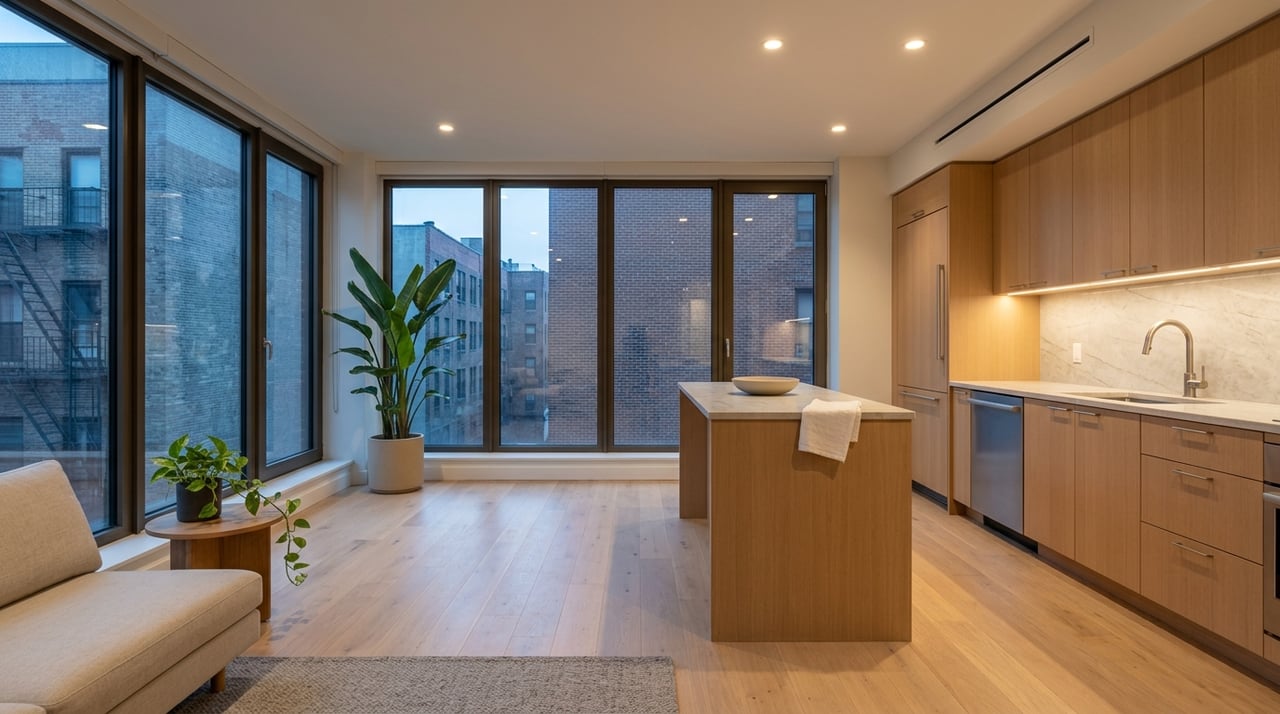
That matters because the neighborhood often offers a very different ownership experience from larger tower markets. Instead of a uniform set of building types, you are more likely to see unique layouts, varied ceiling heights, and buildings with strong architectural identity.
In New York City, “boutique” is not a strict legal category. In practice, it usually refers to a smaller luxury building with fewer residences, more privacy, and a more limited amenity package than a larger high-rise.
For you as a buyer, that often means a trade-off. You may get more individuality and a quieter feel, but you may not get the full hotel-style service stack that some larger condo towers provide.
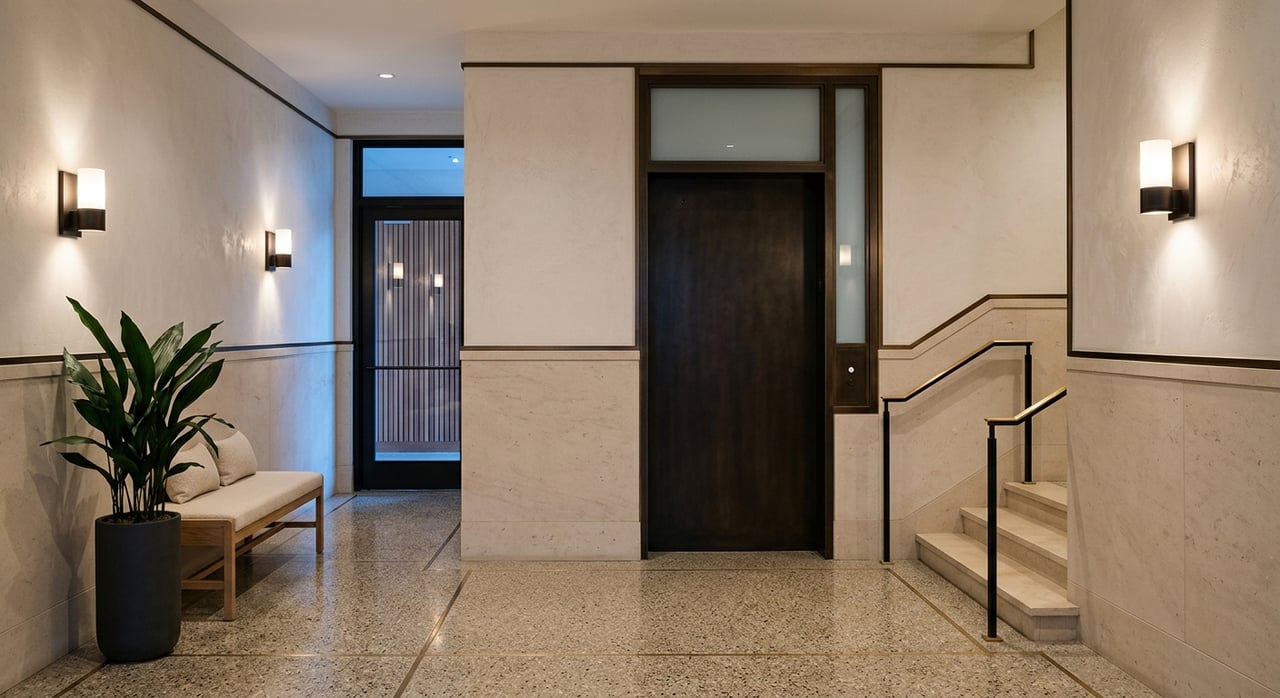
A boutique condo can feel more personal from day one. Fewer neighbors can create a stronger sense of privacy and a more direct connection to how the building is run.
At the same time, fewer units also means fewer owners sharing building costs. Staffing, insurance, repairs, and long-term capital work may be spread across a smaller group, which can affect common charges and future assessments.
That is why a boutique building should never be judged by finishes alone. A beautiful lobby or stylish renovation matters less if the building budget is too lean to support long-term upkeep.
Many Tribeca properties sit within local historic districts. In these buildings, most exterior changes to landmarked or historic-district properties require approval in advance.
For buyers, this does not automatically mean a problem. It simply means that building rules, alteration limits, and review processes deserve close attention, especially if you hope to make future changes.
This is one reason boutique condos in Tribeca can feel so special. The same historic context that preserves character can also shape what owners can and cannot do over time.
Before you sign anything, the New York Attorney General recommends reading the entire offering plan and consulting an attorney. That advice is especially important in boutique condos, where a single capital project can affect a small ownership base more directly.
If you are buying in an existing building or a conversion, key records can reveal issues that may not show up during a showing. Board minutes, financial reports, and local building-department violations can point to deferred maintenance, recurring defects, or upcoming repair costs.
If the apartment is a resale rather than a sponsor unit, the offering plan may be outdated or harder to access. In that case, the building’s current board documents become even more important.
The offering plan is one of the most important documents in your due diligence process. It can help you understand how the condominium was presented, what features and obligations were disclosed, and how the budget was structured.
For condominium offerings in New York, Schedule B includes a first-year budget with projected income and expenses, including the annual reserve fund. That reserve number deserves close attention because no government agency approves whether the reserve or working-capital fund is actually adequate.
If the budget changes materially or building operations are delayed, plan amendments may be required and purchasers may have rescission rights. That makes document review more than a formality. It is part of understanding your risk.
Board minutes can be revealing in a small condo. They may flag recurring leaks, façade concerns, elevator issues, roof problems, or discussion of capital projects before those costs become obvious in a listing.
Financial statements help you assess whether monthly charges are supported by realistic operations. In a boutique building, that question matters a lot because one major repair can affect a relatively small number of owners.
You want to know whether the building appears to be planning ahead or simply getting by. Strong reserves and transparent reporting can support confidence in both ownership costs and future resale.
Low common charges can be appealing, but they are not always a sign of strength. In a smaller building, a lean operating budget may reflect underfunded reserves rather than efficiency.
A practical question is whether the monthly numbers line up with the real needs of the property. Façade work, roof replacement, boiler issues, or elevator repairs can become expensive quickly when fewer owners are sharing the bill.
That is why reserve strength matters just as much as the amenity list. Sometimes more confidence comes from a better-funded building, even if the monthlies are not the lowest in the comp set.
One reason buyers choose boutique condos is that they often feel calmer and less institutional. You may prefer a building that offers privacy, architectural personality, and a less hotel-like atmosphere.
Still, it helps to be realistic about what is and is not included. Some boutique buildings may have a doorman or concierge, but many will not offer the full menu of amenities common in larger developments.
This does not automatically reduce value. In Tribeca, layout, location, and building character can be just as important as a long amenity list.
If you are considering new development or a recently converted building, verbal promises are not enough. If an amenity is not included in the offering plan, it is not required to be delivered.
That is a simple rule, but it can save you from disappointment. Always compare what you are being told during marketing with what the documents actually say.
Tribeca remains a high-price and selective market. Recent market data show a median sale price of $3.9 million over the last three months and 77 days on market, while current condo inventory has been reported at 118 condos for sale with a median listing price of $4.25 million.
In a market at this level, resale value usually depends on more than finishes inside the unit. Buyers tend to look closely at building fundamentals, monthly costs, and whether the overall ownership story makes sense.
For boutique condos, that means your future resale may be shaped by how the market views the building’s services, reserves, and charges. A distinctive apartment can still face resistance if buyers feel the financial structure is too thin.
Closing costs deserve a clear place in your budget from the start. In Tribeca, many condo purchases are above the $1 million threshold for New York State’s additional tax on residential real property, often called the mansion tax.
That tax is 1% and is imposed on the grantee. Given current Tribeca pricing, many buyers should expect it to apply.
If you finance the purchase, New York City mortgage recording tax may also apply when a mortgage is recorded. New York City also imposes a real property transfer tax on city conveyances, while state transfer-tax rules generally place responsibility on the grantor unless an exemption shifts liability.
The key takeaway is simple: your total cash needed at closing may be meaningfully higher than the purchase price alone suggests. In a high-end neighborhood, budgeting for these items early can make your search much smoother.
If you are deciding between boutique condos in Tribeca, it helps to focus on a few core questions. These can keep you grounded when a property is emotionally compelling.
A boutique condo can be a great fit if you value privacy, architecture, and a more intimate ownership experience. The strongest purchases tend to happen when the building’s numbers and rules support the lifestyle you want.
Buying into a boutique condo in Tribeca can be rewarding because these homes often offer what larger buildings cannot: distinctive layouts, historic character, and a more personal scale. But confidence comes from understanding the building as carefully as the apartment itself.
That means reviewing budgets, reserves, board records, and any rules that could shape future costs or renovation plans. For technical building-condition questions, the New York Attorney General specifically recommends consulting an attorney, and an engineer or architect can also be helpful for physical-condition questions.
If you want a clear, data-informed view of Tribeca condo options and building-level trade-offs, The Heard | Khedr Team can help you navigate the process with the high-touch attention Manhattan buyers expect.
Stay up to date on the latest real estate trends.
Get In Touch With Our Team To Learn More
Heema Khedr
110 Fifth Avenue, Floor 7 New York NY 10011