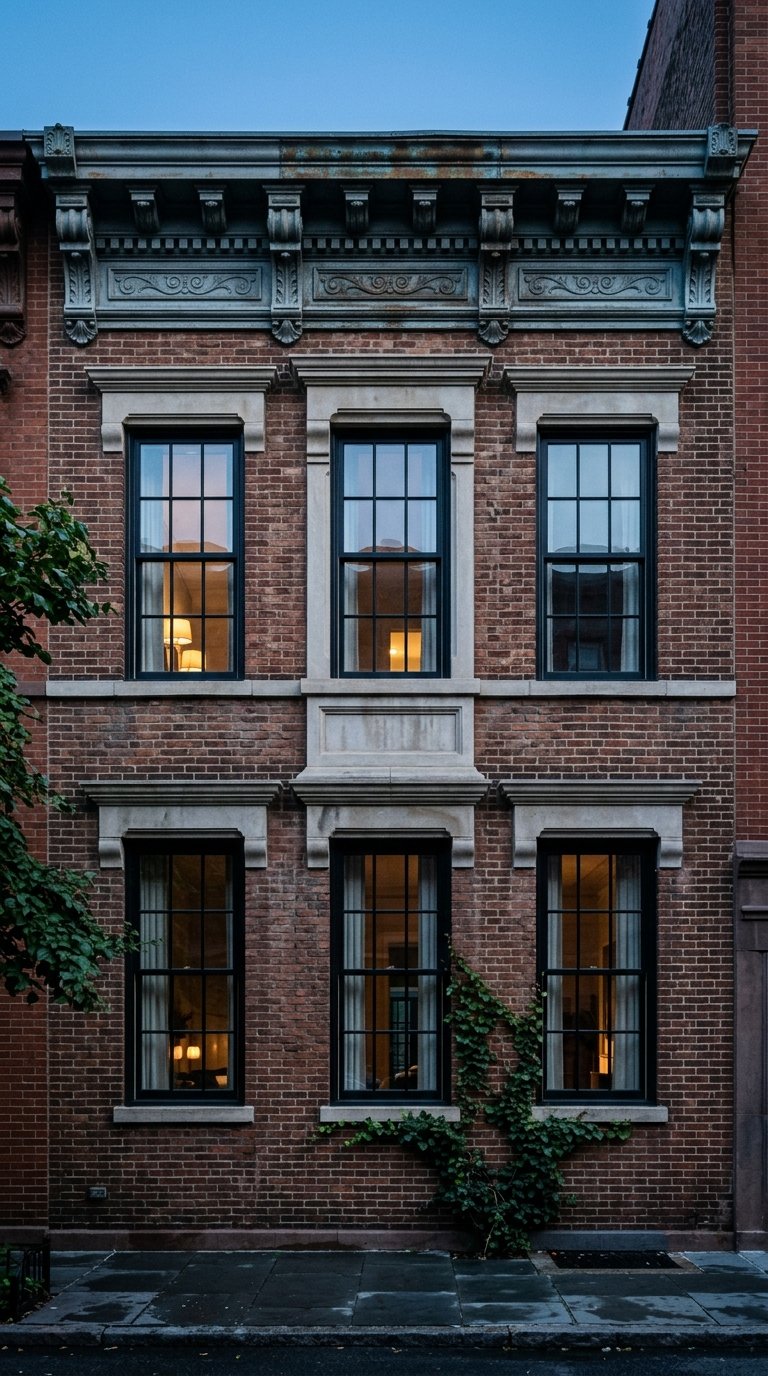
Buying In A Landmarked West Village Building, Explained
July 16, 2026
July 16, 2026
If you are thinking about buying in a landmarked West Village building, you are probably drawn to the very thing that can make the process feel more complex: character. From classic facades to a protected streetscape, these properties offer a kind of architectural continuity that is hard to replicate elsewhere in Manhattan. The good news is that landmark status does not mean a building is frozen in time, and understanding the rules can help you buy with confidence. Let’s dive in.
In New York City, landmarks fall into four broad categories: individual landmarks, interior landmarks, scenic landmarks, and historic districts. For many West Village buyers, the most relevant category is the historic district, since Greenwich Village includes a major designated historic district and later extensions.
The Greenwich Village Historic District was designated on April 29, 1969. At the time, it was the city’s largest historic district, covering more than 2,000 buildings across 65 blocks. If you are considering a specific apartment or townhouse, one of the first things to verify is whether the address sits inside the historic district, one of its extensions, or has another designation.
It is also important to know what landmark status does not mean. It does not automatically reverse older changes that were made before or after designation. Instead, the Landmarks Preservation Commission, or LPC, reviews proposed new work for appropriateness within the context of the building and district.
Once you buy in a landmarked building, LPC review can affect what you do to the property, especially on the exterior. In historic districts, most exterior changes to both front and rear facades require LPC review. LPC also requires a permit for exterior work even when that work is not visible from the street.
That said, not every project is a major undertaking. Ordinary exterior repairs and maintenance, like replacing broken window glass or repainting to match the existing color, generally do not require LPC approval. This distinction matters because many buyers assume landmark status means every small repair becomes a long approval process.
Interior work is usually a separate story. In most residential apartments, interior renovations are outside LPC review unless the work requires a Department of Buildings permit, affects the exterior, or involves an interior landmark. Since interior landmarks are spaces customarily open or accessible to the public, most private apartment interiors do not fall into that category.
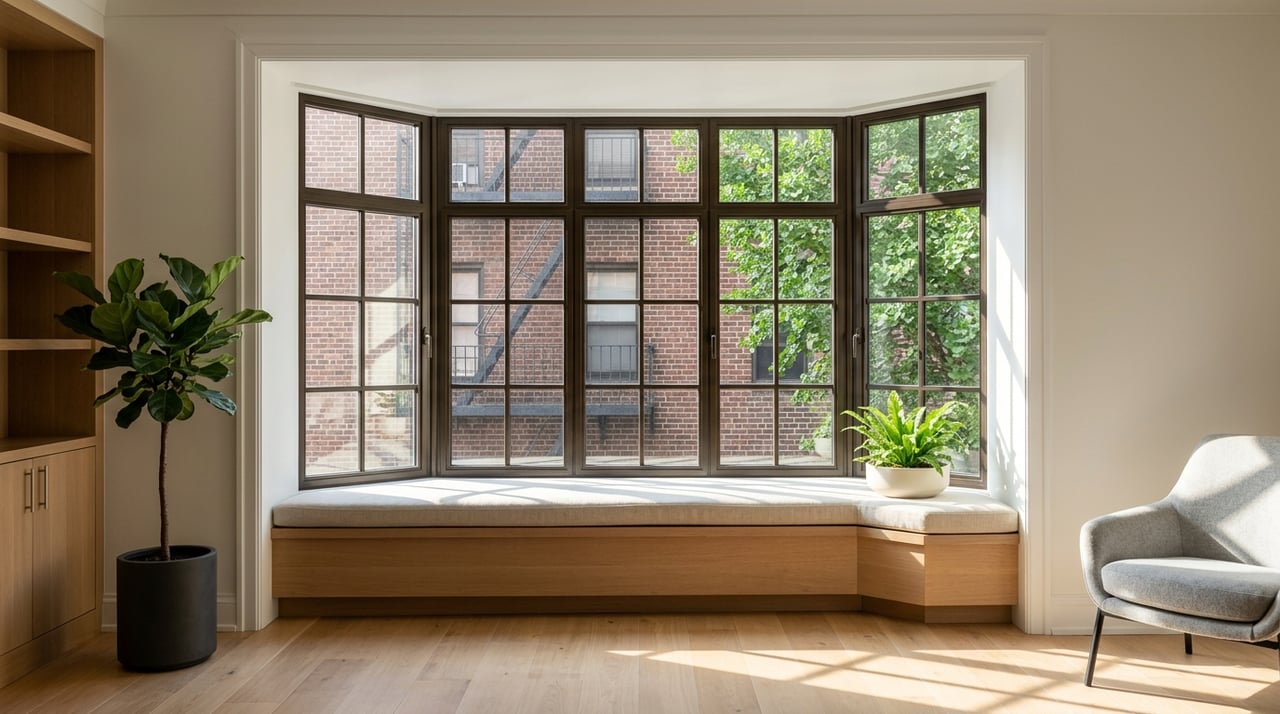
Window work is one of the most common landmark questions in the West Village. LPC’s current guidance makes an important distinction: most routine repairs and maintenance do not need a permit, but replacement windows in designated buildings or buildings inside historic districts are regulated.
For buyers, that means your future plans for window replacement should be part of your due diligence. The process may be straightforward, but it is still a regulated process. Most replacement proposals are approved at staff level, while more complex cases may go before the full Commission.
This is one reason building history matters. If a co-op or condo has already handled similar window work, or has a building-wide approach in place, your path may be more predictable than if you are starting from scratch.
Landmark review often sounds more intimidating than it is. LPC states that 95 percent of approvals are issued at staff level, which means many applications do not go to a public hearing before the full Commission or require a community board presentation.
A common example is the Permit for Minor Work, or PMW. This applies when exterior work does not require a Department of Buildings permit and is restorative or otherwise appropriate in nature. Examples can include window or door replacement in existing openings, masonry cleaning, brownstone resurfacing, and through-window HVAC installations.
There is another practical point here. LPC charges fees only when the work also requires a DOB permit, and there is no fee for a Permit for Minor Work. For buyers comparing future renovation costs, that detail can make a difference.
Some landmarked buildings create master plans for repetitive work such as windows, storefronts, or air conditioners. A master plan sets a standard for future review and can streamline later applications.
If you are buying in a larger co-op, condo, or mixed-use building, ask whether a master plan already exists. It can save time, reduce uncertainty, and give you a clearer sense of what is likely to be approved. In practical terms, that can make ownership feel more manageable.
Landmarked ownership comes with an ongoing obligation to keep the property in good repair. LPC requires designated properties to be maintained, and the agency can issue violations for neglect.
For a buyer, this matters at both the apartment and building level. Even if your personal renovation plans are modest, the building’s overall maintenance approach can affect future costs, management priorities, and the ownership experience.
If you are serious about a landmarked West Village property, due diligence should go beyond the usual financial review and board package questions. You want a clear picture of the building’s designation, permit history, and any issues that could affect your plans after closing.
A strong first step is to confirm the exact designation. A property could be an individual landmark, located within a historic district, or both. LPC designation reports can help explain why a building or district was landmarked and describe the property as it existed at the time of designation.
You should also review available LPC permit and violation history. LPC’s Permit Search and Permit Application Finder tools show applications, permits, and active violations from recent years, though LPC notes these tools are not a substitute for a title search or other legal due diligence.
These answers can shape your decision in a meaningful way. They may affect renovation timing, likely costs, and whether the apartment is the right fit for your goals.
If you expect to do significant work after purchase, it makes sense to involve the right professionals early. Because LPC window filings typically require photographs, dimensioned drawings, and product details, buyers with renovation plans should consider speaking with a real estate attorney and, if work is likely, an architect or preservation consultant with LPC experience.
This is especially true if your plans involve exterior elements. Even if the project seems simple, experienced professionals can help you understand what is likely to be approved and how to prepare a cleaner application. That can save both time and frustration later.
Many buyers ask whether landmark status automatically adds value. The research suggests the answer is more nuanced. A Furman Center and NBER study found that properties just outside historic districts tended to gain value after designation, and that homes within historic districts citywide also became more valuable, but Manhattan districts did not show the same within-district gain.
In other words, landmark status can support demand, help preserve neighborhood character, and limit the supply of comparable properties. But in Manhattan, it does not guarantee a price premium on its own. Buyers should view landmark status as one part of the property’s appeal, not a shortcut to future appreciation.
The tradeoff is usually clear. You may get protected streetscape, architectural continuity, and a stronger sense of place, but you also accept less renovation freedom, more review time, and the need to plan around LPC rules. For some buyers, that framework is part of the value. For others, it may be a reason to focus on non-landmarked options.
The best question is not whether you can change a landmarked West Village home. The better question is how your likely changes fit within LPC’s review framework and the building’s own policies.
If you care most about original details, a preserved block, and the feel of a historic Manhattan streetscape, a landmarked building may be exactly what you want. If flexibility and fast customization matter more, it is worth weighing those priorities before you make an offer.
A thoughtful purchase starts with clear expectations. When you understand the rules upfront, you are in a much better position to choose the right apartment, ask sharper questions, and move forward with confidence.
If you are weighing a West Village purchase and want clear, building-specific guidance, The Heard | Khedr Team can help you evaluate the tradeoffs, ask the right due diligence questions, and navigate the process with confidence.
Stay up to date on the latest real estate trends.
Get In Touch With Our Team To Learn More

Heema Khedr
110 Fifth Avenue, Floor 7 New York NY 10011