Your Upper East Side Living Guide: Park Side or River Side
July 23, 2026
July 23, 2026
Looking at the Upper East Side and wondering which side fits your day-to-day life better? It is a smart question, because living near Central Park and living closer to the East River can feel very different even within the same neighborhood. If you are comparing blocks, building types, outdoor access, errands, and transit, this guide will help you sort through the tradeoffs with more confidence. Let’s dive in.
Within Community Board 8, the Upper East Side runs from the north side of East 59th Street to the south side of East 96th Street, stretching from Fifth Avenue to the East River. For this conversation, the Central Park side generally means the western half near Fifth, Park, and Madison Avenues. The East River side generally means the eastern half near Second, Third, York, and East End Avenues.
That distinction matters because the housing pattern, retail feel, green space access, and transit routine shift as you move east or west. Neither side is universally better. The right fit depends on how you want your home to support your routine.
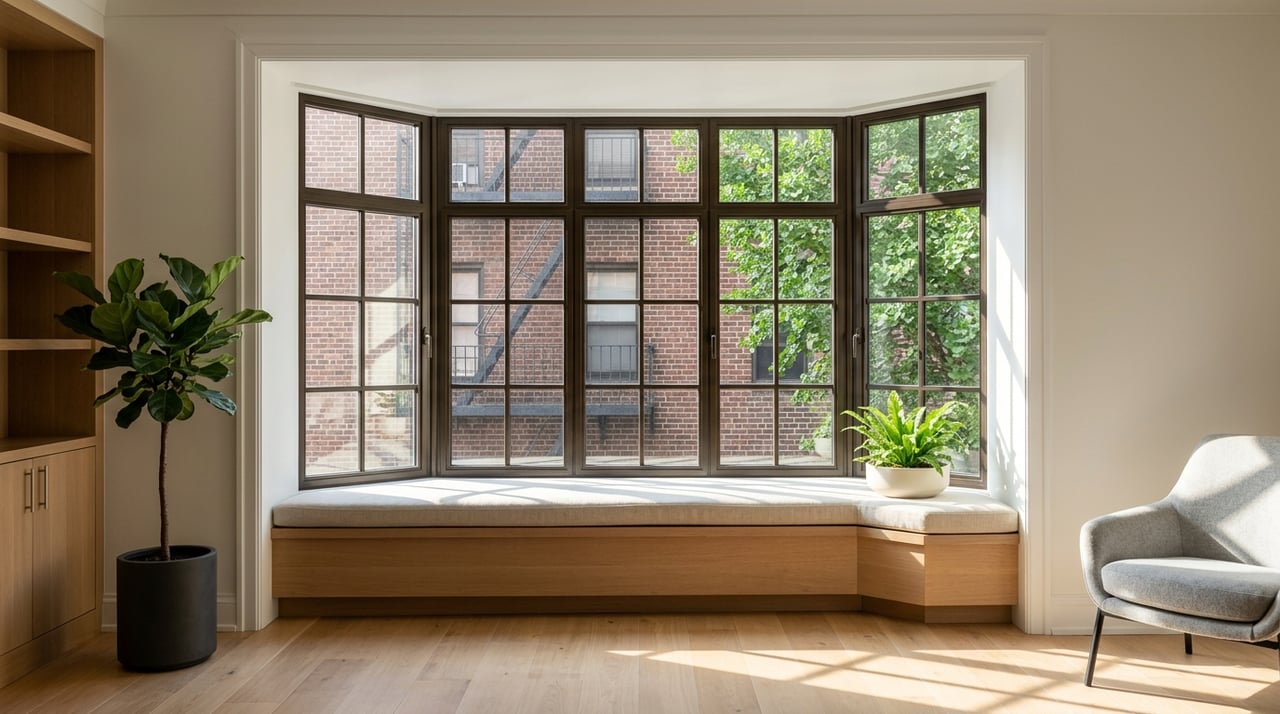
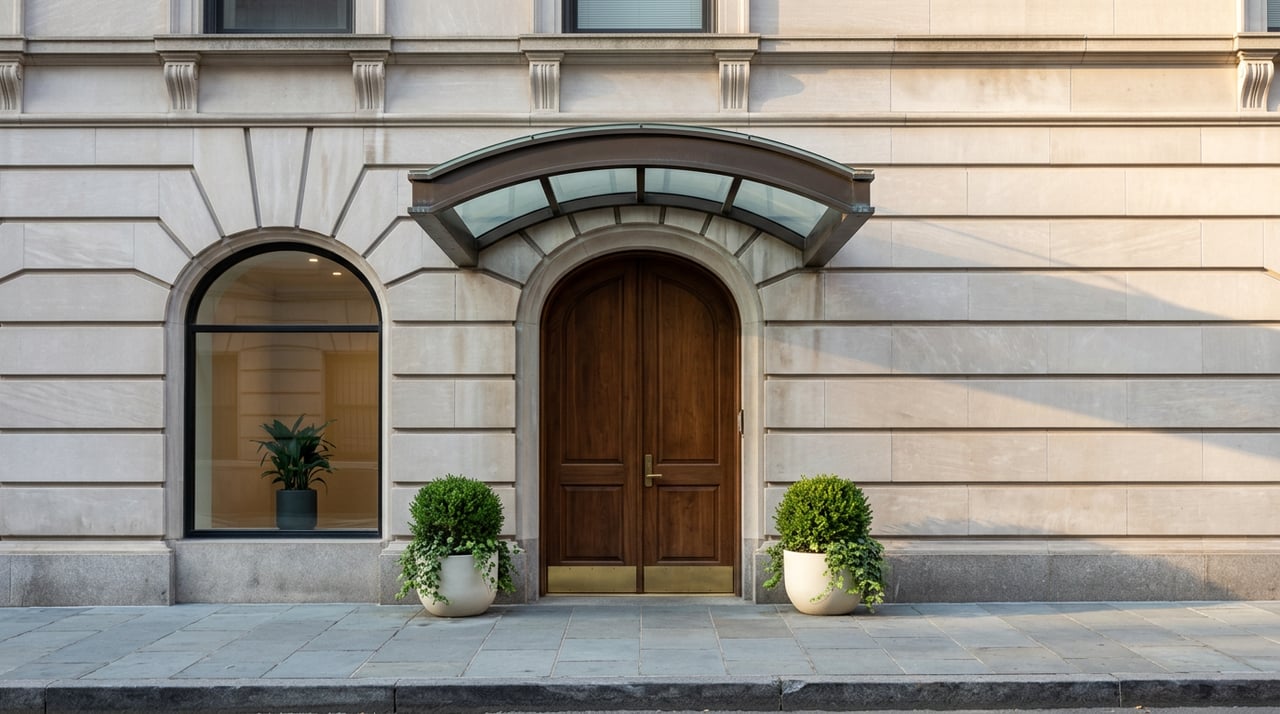
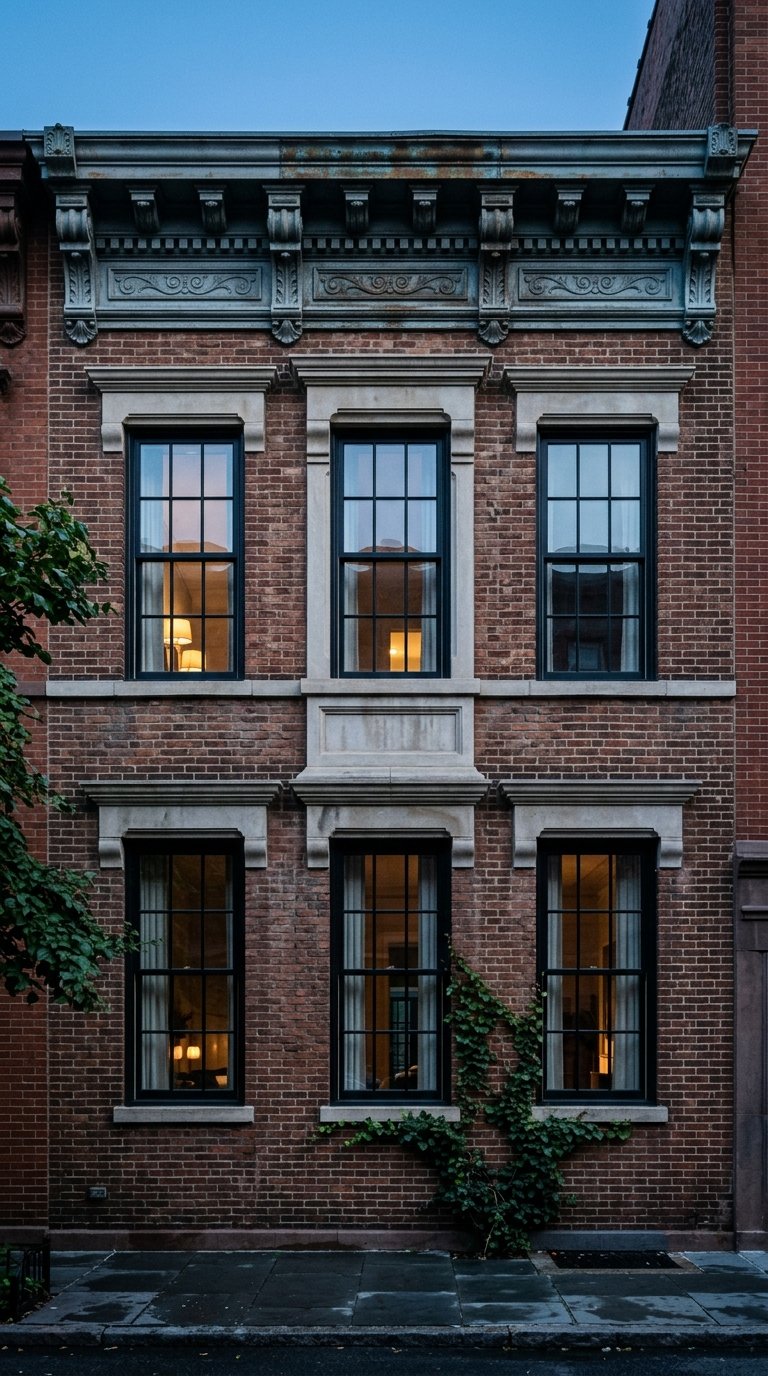
The Central Park side tends to feel more tied to the Upper East Side’s historic fabric. City materials describe many midblock townhouses built between 1890 and 1905, along with larger 10- to 16-story multifamily elevator buildings lining the avenues. In practical terms, that often means a more classic prewar and landmarked streetscape.
This stretch also sits within the Upper East Side Historic District and the Special Park Improvement District fabric, where the stated goal is preserving residential character and architectural quality along Fifth and Park Avenues. If you are drawn to traditional Manhattan blocks, formal avenues, and a more established architectural rhythm, this side often delivers that experience.
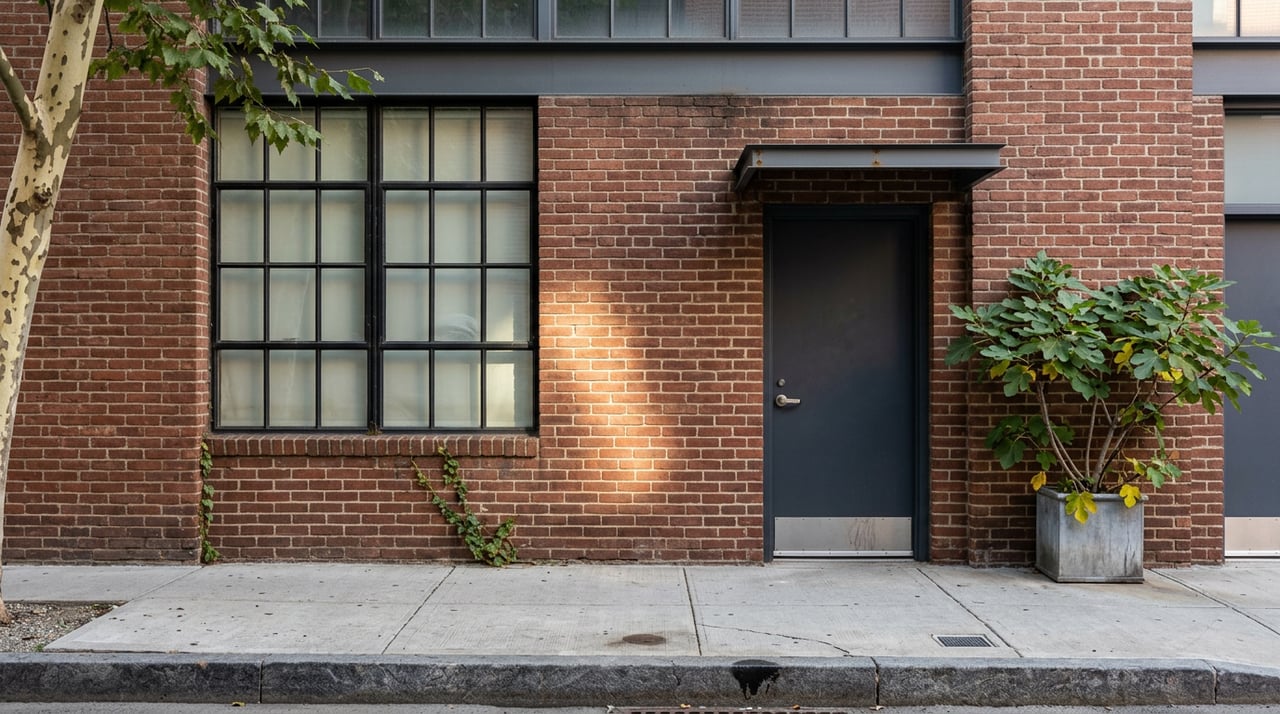
The East River side, including Yorkville, reads differently. Official City Planning material describes it as a mix of four- to six-story residential midblock buildings with larger apartment buildings and ground-floor commercial uses along the avenues. The broader Upper East Side also includes high-rise apartments facing the East River.
For you, that can translate into a more apartment-dense and more residential feel, especially as you move farther east. The streetscape often centers less on landmarked townhouse rows and more on practical residential living with neighborhood retail nearby.
One of the clearest lifestyle differences is how you spend time outside. If your routine includes daily walks, runs, playground stops, or time on a bench with coffee, your preferred green space can shape where you want to live.
On the west side of the neighborhood, Central Park is the defining outdoor amenity. The park’s east side has entry points around East 60th, 72nd, 79th, 85th, and 90th Streets. If you want the most direct path into one large, iconic green space, the Central Park side has the obvious advantage.
For many buyers and renters, that matters most in everyday moments. A shorter walk to the park can make it easier to use it before work, after dinner, or on a quiet weekend morning.
On the east side, the outdoor experience is more waterfront-focused. Carl Schurz Park runs from East End Avenue to the East River between East 84th and East 90th Streets, and Asphalt Green sits at East 90th, York, and the FDR. The East River Esplanade also adds an improved waterfront greenway experience.
So if you picture your routine around river views, waterfront walking, or a network of park and esplanade spaces instead of one large park, the East River side may feel more natural. It offers a different kind of openness.
Your daily errands can make one side feel easier than the other. This is especially true if you care about whether your block feels more destination-oriented or more neighborhood-service oriented.
The Central Park side benefits from the Madison Avenue retail environment and nearby Fifth Avenue shopping streets. Madison Avenue BID describes the district as a luxury retail destination and reports 757 ground-floor retail businesses in the BID, with fashion, design, beauty and wellness, and galleries between East 57th and East 86th Streets.
City zoning guidance also identifies Fifth Avenue, Madison Avenue, and East 57th Street as C5 shopping streets. If you like polished storefronts, destination retail, and a more high-profile avenue experience, the western side of the Upper East Side may line up with your preferences.
Farther east, the retail pattern is often more about daily convenience. City zoning guidance describes Second and Lexington Avenues as typical C1 and C2 corridors where small retail and service shops support neighborhood needs like groceries, dry cleaners, drug stores, restaurants, and local clothing stores.
A City Planning report on East 86th Street also notes a shift from more residential conditions on the west side to an active retail corridor between Lexington and Second, then back to more residential conditions farther east. If your priority is practical errands close to home, the East River side often supports that routine well.
Transit is another major point of comparison, especially if you commute regularly or want multiple backup options.
On the Central Park side, transit still leans heavily on the Lexington Avenue spine. The 4, 5, and 6 remain the classic backbone for the east side, even as the Q service and Select Bus Service have helped reduce pressure on those lines.
For you, that can mean a familiar Manhattan commute pattern centered around one major rail corridor. If you like being close to that traditional subway spine, the west side may feel more straightforward.
The East River side often works as a more multi-modal transit setup. The Q serves 96th, 86th, 72nd, and Lexington/63rd Street in the Upper East Side and East Harlem corridor. The M79 SBS runs across 79th Street, the M86 SBS serves the 86th Street crosstown route, and the East 90th Street landing adds ferry access.
In real life, that means east-side living may depend on using a mix of subway, bus, bike, and ferry options. If you value flexibility and do not mind combining transit modes, this side can work very well.
If you are buying or renting, building type may matter just as much as location. The Upper East Side is not one uniform housing market, and the contrast between these two sides is meaningful.
Near Central Park, the representative housing pattern is the historic townhouse and prewar apartment-house fabric. Official city materials describe historic townhouses on the midblocks and larger multifamily elevator buildings along the avenues. Landmarks material also notes that several Upper East Side apartment houses were built as cooperatives or later converted to cooperatives.
That can appeal to you if you are focused on classic architecture, prewar proportions, or the feel of established co-op housing stock. Buyers often look here when the building itself is a major part of the appeal.
On the East River side, Yorkville is characterized by four- to six-story midblocks, larger avenue apartment buildings, and high-rise apartments facing the river in the broader eastern edge of the neighborhood. The overall pattern reads as more apartment-dense and more oriented toward residential buildings with avenue retail.
If you want a wider mix of apartment formats, including larger apartment buildings and river-facing high-rises, the east side may offer the kind of building inventory you want to explore.
The better choice usually comes down to your routine, not just the map. When clients compare the two, we often suggest starting with how you actually live from Monday through Sunday.
You may prefer the Central Park side if you want:
You may prefer the East River side if you want:
If you are actively searching, it helps to compare homes on both sides in person rather than assuming one is the right fit from the start. Two apartments with similar price points can feel very different based on block character, building type, and your walk to green space or transit.
A focused search can save you time. Instead of treating the Upper East Side as one broad zone, narrow your search by your actual priorities: park access, river access, co-op versus condo preferences, retail convenience, or commute style.
That is where hyper-local guidance can make a real difference. Whether you are buying, selling, or renting, the right strategy starts with understanding how these micro-location differences affect day-to-day value and long-term fit.
If you are weighing Central Park living versus the East River side on the Upper East Side, The Heard | Khedr Team can help you compare the blocks, buildings, and lifestyle tradeoffs with a tailored, high-touch approach.
Stay up to date on the latest real estate trends.
Get In Touch With Our Team To Learn More

Heema Khedr
110 Fifth Avenue, Floor 7 New York NY 10011