How To Prep A Brooklyn Heights Brownstone For Market
June 4, 2026
June 4, 2026
Selling a Brooklyn Heights brownstone is not the same as listing a typical townhouse. In a neighborhood known for historic facades, tree-lined blocks, and presentation-sensitive buyers, small details can shape first impressions fast. If you want to bring your home to market with confidence, the right prep plan can help you focus on what matters most before launch. Let’s dive in.
Brooklyn Heights is one of Brooklyn’s highest-value markets, with StreetEasy reporting a median sale price of $1.3 million and median days on market of 54 days. The neighborhood is also widely known for multi-million-dollar townhouses, which means buyers often arrive with strong expectations around condition, presentation, and overall polish.
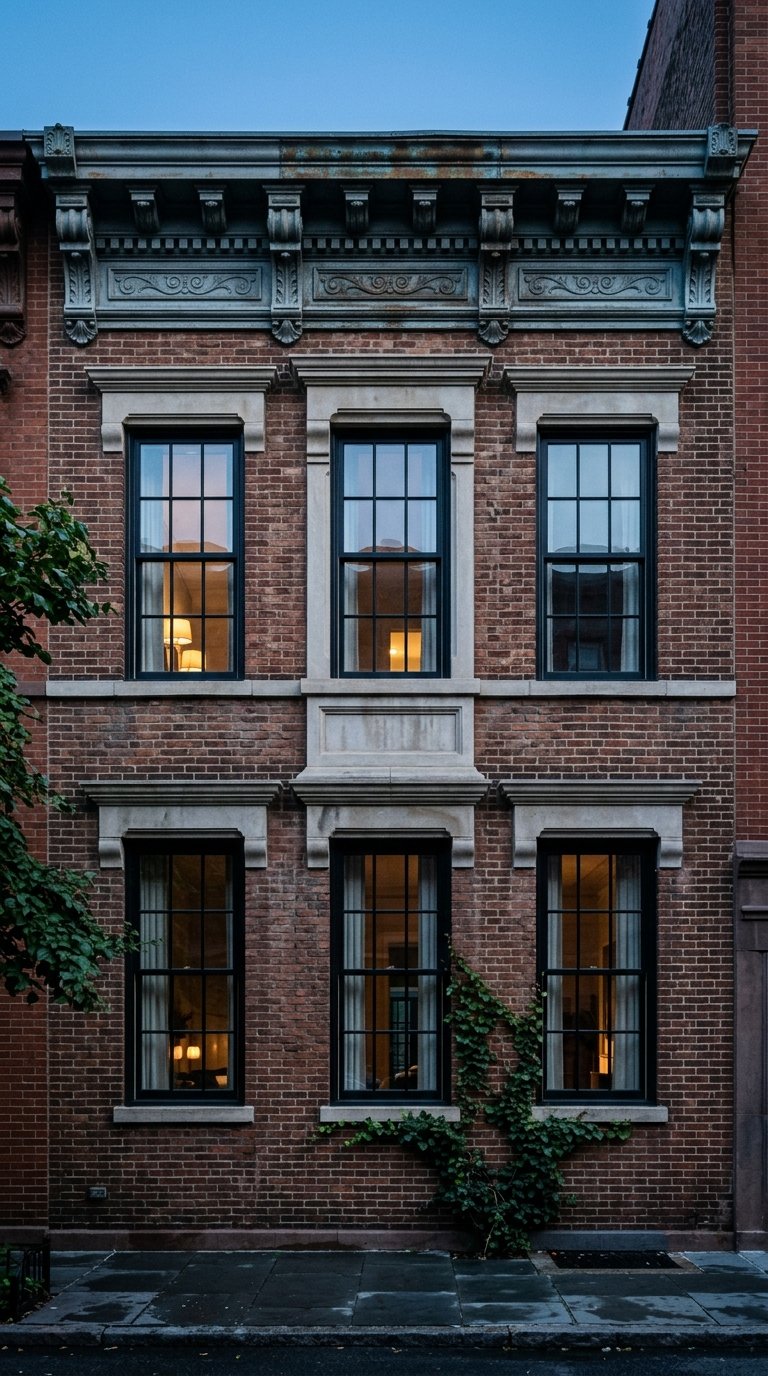
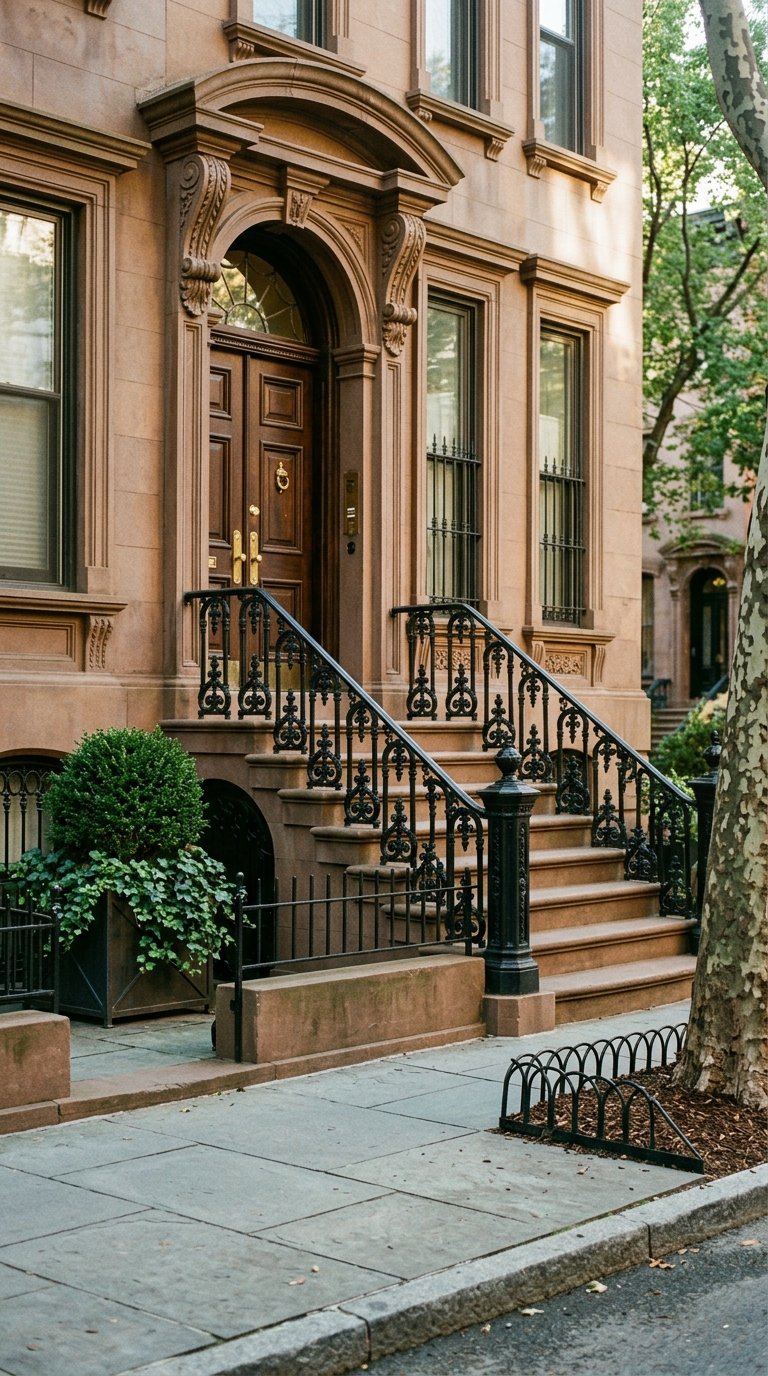
That matters even more because Brooklyn Heights sits within a historic district designated in 1965. The Landmarks Preservation Commission describes the area as a setting of low-rise, tree-lined streets with stately brick and brownstone houses across a range of 19th-century architectural styles. In practical terms, your exterior presentation carries real weight from the moment a buyer reaches the block.
Before you paint, stage, or schedule repairs, start with a seller consultation and condition walk-through. This gives you a clear picture of what the home needs, what buyers are likely to notice, and which updates are actually worth the time and cost.
A pricing or valuation review should come early in the process. Compass notes that automated third-party valuations can misprice homes, so a local pricing conversation can help you avoid overspending on cosmetic work that may not move the needle.
For many sellers, the smartest sequence looks like this:
This approach keeps your prep focused and helps you make decisions in the right order.
In Brooklyn Heights, exterior condition often comes first. Buyers see the facade, stoop, windows, doors, and ironwork before they ever step inside, and in a landmarked district, those details are part of the home’s value signal.
The Landmarks Preservation Commission also states that owners must keep landmarked buildings in a state of good repair. For a seller, that means your home should not feel neglected from the street, especially on highly visible elements.
A practical first-pass exterior checklist includes:
You do not need to tackle every possible improvement. You do want to address the items that make the home look cared for, consistent, and market-ready.
Because Brooklyn Heights is landmarked, most exterior changes to a designated building require Landmarks Preservation Commission review before work begins. That is a critical point to understand before you hire a contractor or finalize a punch list.
At the same time, not every task needs approval. LPC says ordinary repairs and maintenance do not require a permit, and examples include replacing broken window glass, repainting an exterior to match the existing color, and caulking around windows and doors.
Some seller prep items may fall under ordinary maintenance, such as:
These can be helpful updates when you want the home to look clean and maintained without changing its appearance.
LPC notes that standard restoration and maintenance projects can require a Permit for Minor Work. This can apply to items such as:
LPC also states there is no fee for a Permit for Minor Work when no Department of Buildings permit is required. If a project affects the exterior or needs a DOB permit, LPC review may still be required. Applications are filed through Portico.
Interior work usually gives you more flexibility. LPC says interior work generally does not require review unless it needs a DOB permit, affects the exterior, or the interior itself is a designated landmark.
That gives you room to focus on cosmetic prep that improves presentation without overcomplicating the process. In many brownstones, the goal is not to erase historic character. It is to make that character feel clean, intentional, and easy for buyers to appreciate.
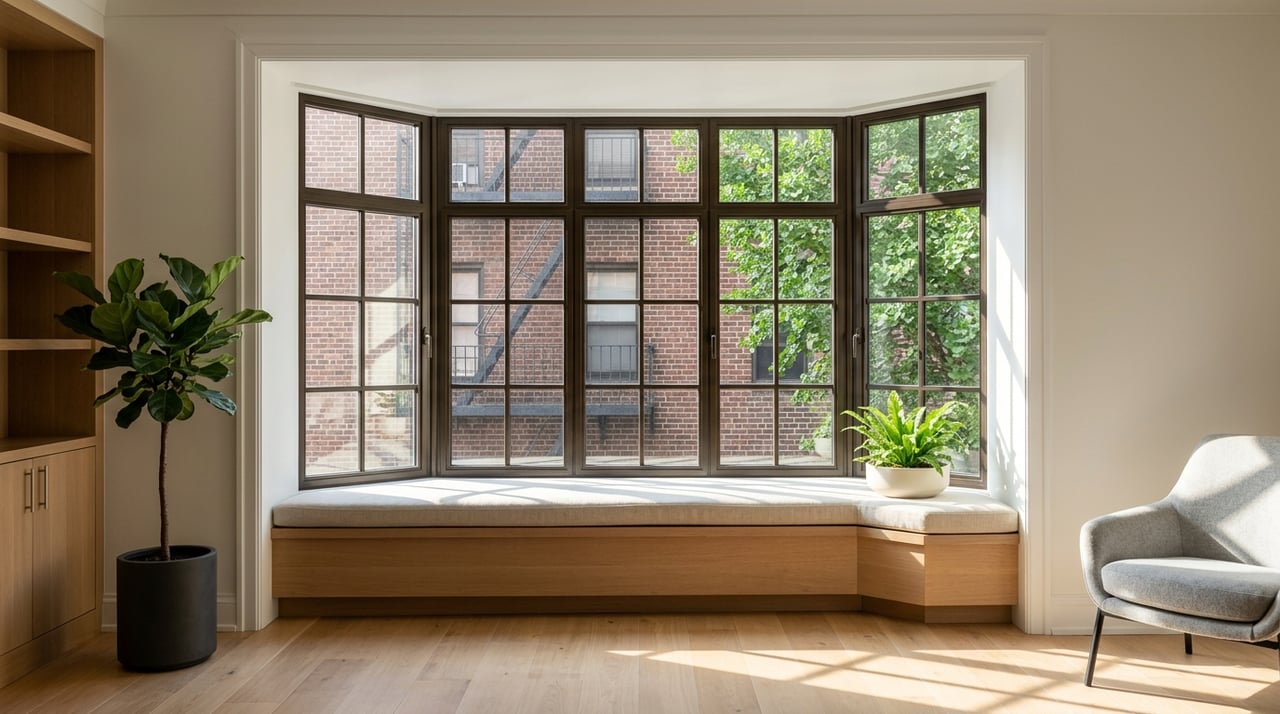
The most useful interior prep steps often include:
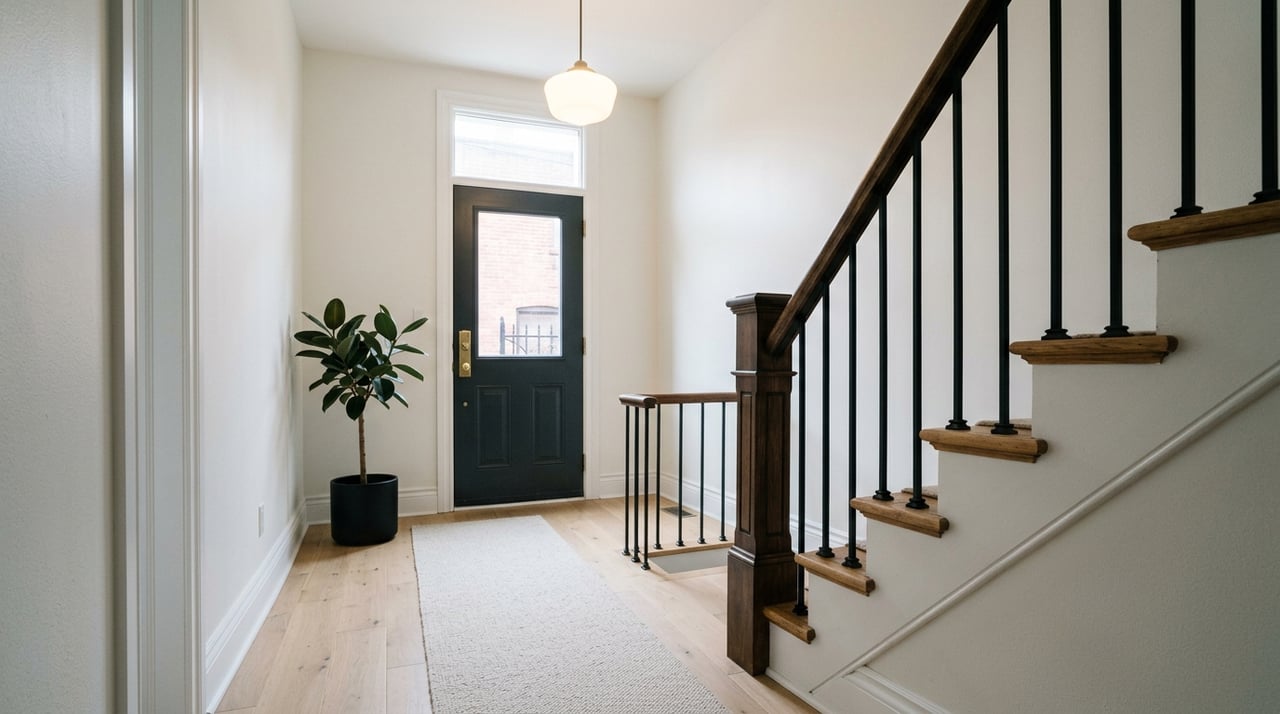
For a Brooklyn Heights brownstone, restrained styling usually works best. Clear surfaces, consistent lighting, and furniture that lets the architecture breathe can help buyers focus on scale, flow, and detail.
Brownstones often have standout spaces that deserve extra attention in the marketing plan. Think about the rooms and features that define the experience of the home rather than trying to fill every corner.
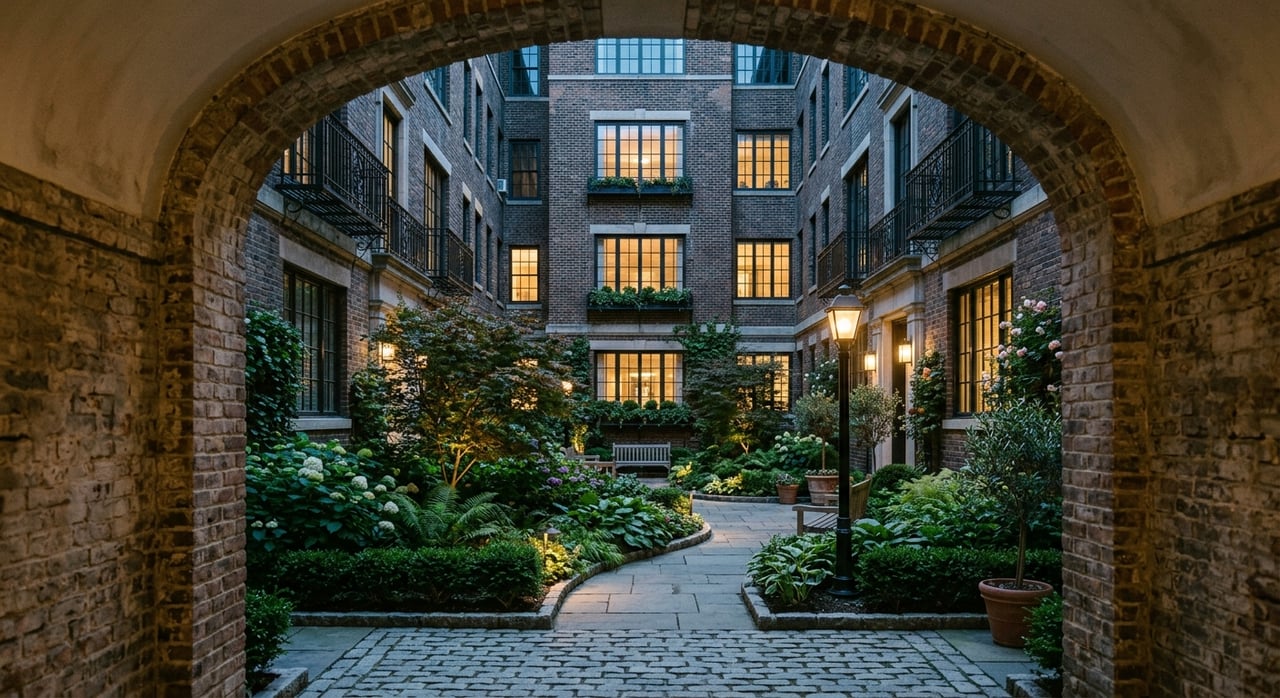
Photography should help buyers understand the scale of the parlor floor, the visual impact of the staircase, the relationship to the rear yard or garden, and the presence of the facade. Those are often the spaces and moments that help a brownstone stand apart online.
Your photo plan should aim to clearly show:
When styling is too busy, historic details can get lost. A cleaner presentation tends to photograph better and feel more elevated.
Once you know the likely value range and the scope of work, you can decide whether Compass Concierge makes sense for your prep plan. According to Compass, Concierge can front the cost of services such as staging, flooring, painting, deep-cleaning, decluttering, cosmetic renovations, and landscaping, with zero due until closing, subject to program terms and any applicable state-based fees or interest.
For sellers who want to improve presentation without paying every cost upfront, this can create useful flexibility. It can also help keep the prep timeline moving when several cosmetic items need to happen at once.
Compass also states that repayment happens when the home sells, the listing ends, or 12 months pass from the Concierge start date, subject to program terms. That is why it helps to evaluate Concierge as part of the full listing strategy, not as a last-minute add-on.
Once repairs and styling are complete, the final step is choosing how to bring the property to market. Compass notes that sellers may begin with Private Exclusive or Coming Soon exposure before a full public launch.
That can be useful if you want to start building interest while final prep is underway or if you want to shape timing more carefully. In a market like Brooklyn Heights, where presentation matters, the launch plan should support the quality of the finished product.
A strong launch usually works best when everything is aligned:
No two Brooklyn Heights brownstones are exactly alike. Some need only a light cosmetic refresh. Others benefit from more focused exterior work, especially if the facade, stoop, windows, or ironwork are distracting from the home’s strengths.
The key is to avoid generic prep advice. In this neighborhood, your strategy should reflect the home’s architecture, landmark context, and likely buyer expectations. With the right sequence and the right improvements, you can present the property in a way that feels polished, historically respectful, and ready for market.
If you are thinking about selling, The Heard | Khedr Team can help you evaluate which updates are worth doing, how Compass Concierge may fit into your plan, and how to position your Brooklyn Heights brownstone for a strong launch.
Stay up to date on the latest real estate trends.
Get In Touch With Our Team To Learn More

Heema Khedr
110 Fifth Avenue, Floor 7 New York NY 10011