
Condo, Co-op, Or Brownstone In Brooklyn Heights?
May 28, 2026
May 28, 2026
Choosing a home in Brooklyn Heights is not just about square footage or finishes. In this neighborhood, the type of ownership you choose can shape your monthly costs, renovation plans, financing path, and day-to-day experience. If you are weighing a condo, co-op, or brownstone, this guide will help you understand the tradeoffs so you can move forward with more clarity. Let’s dive in.
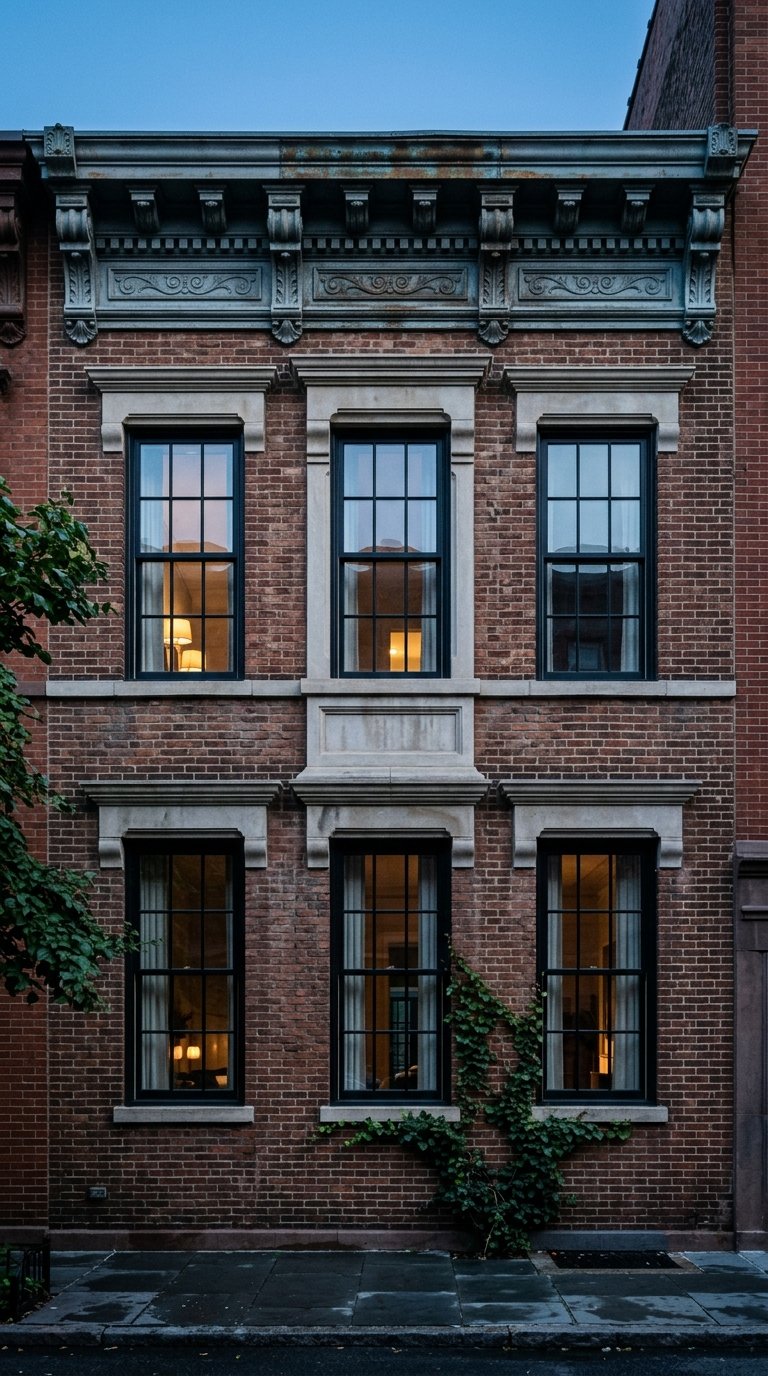
Brooklyn Heights stands apart because of its historic fabric. The neighborhood is known for its low-rise brick and brownstone row houses, along with a smaller mix of apartment buildings, and it still retains much of the feel of a 19th-century urban residential community.
That character is a major part of the appeal, but it also affects ownership. Much of Brooklyn Heights sits within a designated historic district, which means exterior work on many properties may require approval from the Landmarks Preservation Commission, or LPC.
For you as a buyer, that matters more than it might in another neighborhood. Window replacements, masonry repairs, rooftop additions, and changes to stoops or cornices can all fall under LPC review, while simpler repairs like fixing broken window glass or repainting a door the same color generally do not.
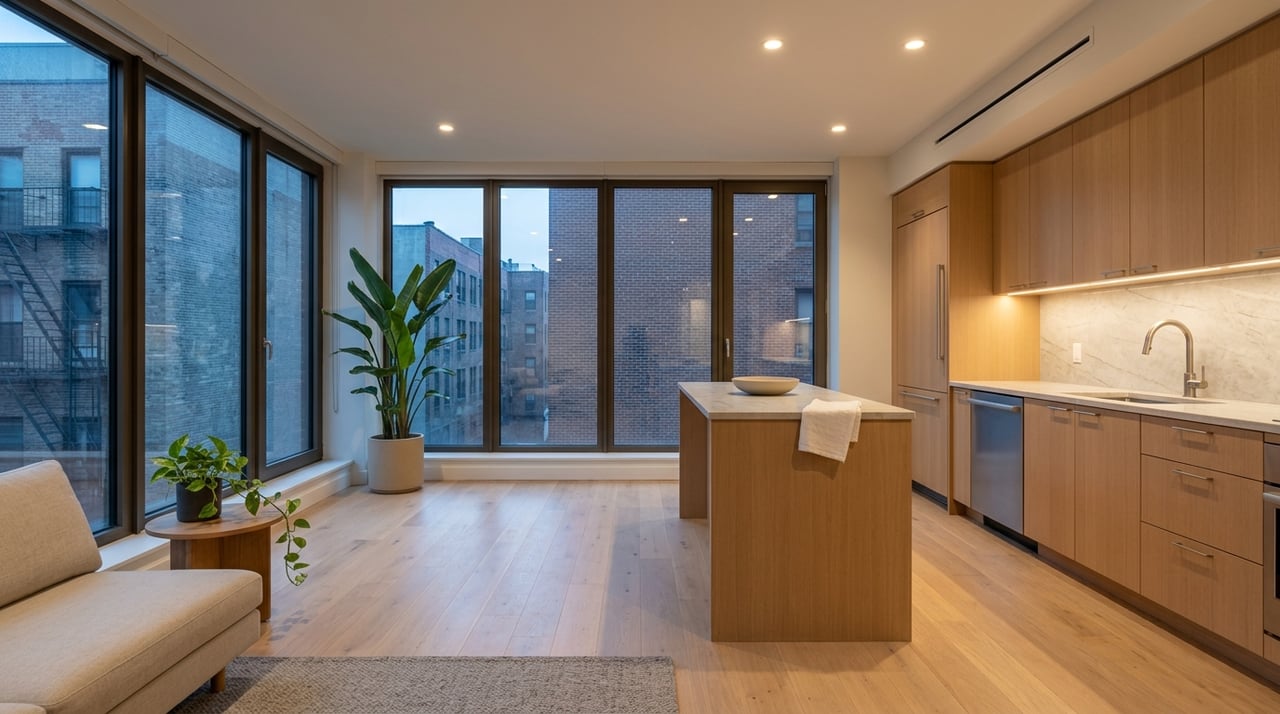
A condo gives you separate ownership of your individual unit plus an undivided interest in the building’s common elements. In plain terms, you own your apartment directly, while also sharing ownership of areas like hallways, the lobby, roof, or other common spaces.
For many buyers, condos feel familiar and relatively straightforward. Monthly condo fees typically cover repairs and maintenance for exterior and common areas, and they may also include things like water, sewer, trash, insurance, amenity upkeep, or reserves.
One important budgeting point is that condo property taxes are usually paid separately. So when you are estimating your monthly payment, you will often need to account for mortgage, common charges, and a separate property tax bill.
Condos can be appealing if you want a shared-ownership structure that feels clean and easier to understand. Financing is often more standard than it is for co-ops, even though lenders still review the building carefully.
Lenders may look at the building’s financial stability, physical condition, any structural debt, pending lawsuits, evacuation orders, and whether required inspections have been completed. It is also smart to ask whether the condo is considered warrantable before you go too far down the path.
A co-op works differently. Instead of buying real property directly, you buy shares in a corporation, and those shares are tied to a specific apartment through a long-term proprietary lease.
That structure affects both your monthly costs and your ownership experience. Each owner pays maintenance charges based on the number of shares allocated to the apartment, and those charges often include the building’s property taxes.
In practice, that is why co-op monthly payments can look higher at first glance. The building receives the tax bill, not the individual owner, and the cost is folded into the common charges.
Co-op living usually comes with a stronger board culture. Boards are elected by shareholders, made up of fellow shareholders, and they are expected to follow the co-op’s bylaws, proprietary lease, certificate of incorporation, and house rules.
That can create a more personal ownership environment because the board members are often your neighbors. For some buyers, that structure feels reassuring and organized. For others, it can feel more restrictive, especially if they want maximum flexibility.
Financing is often one of the biggest practical differences with co-ops. Co-op share loans are tied to ownership interests in the co-op corporation, and project-level data and reporting can create financing hurdles that you may not see in the same way with a condo.
There is also an occupancy-related limitation in standard co-op financing guidelines. For example, Fannie Mae states that it purchases co-op share loans only when the borrower will occupy the home as a principal residence or second home, not as an investment property.
If you buy a brownstone as a 1- to 3-family house, you are typically buying a Class 1 property for New York City tax purposes. Unlike a co-op, where taxes are bundled into maintenance, the property tax bill goes directly to you as the owner.
That often makes the budgeting model more direct. You are tracking your mortgage, property taxes, insurance, repairs, and capital work yourself rather than through a building-wide monthly charge.
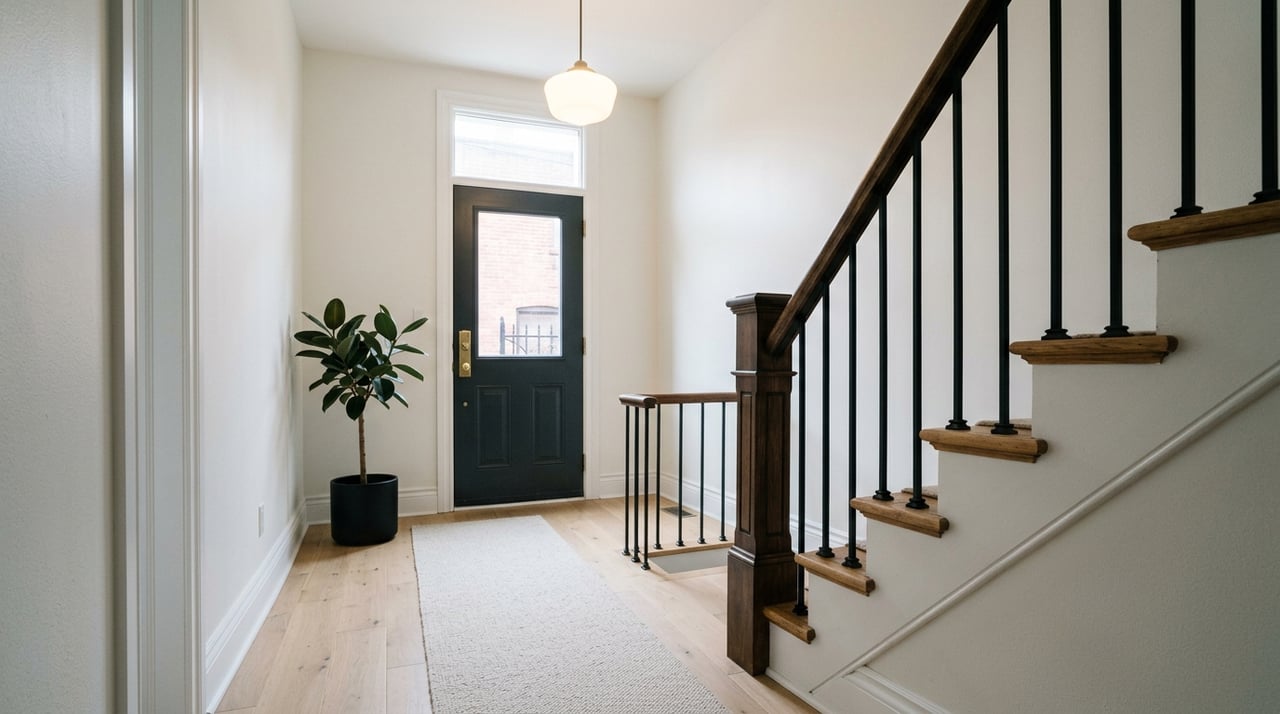
For many buyers, the biggest appeal of a brownstone is autonomy. You generally have more direct control and fewer shared governance layers than you would in a condo or co-op.
More control also means more responsibility. You are typically the one managing repairs, maintenance, and major projects, and in Brooklyn Heights that can be especially important because landmark rules may apply to exterior work.
If the property is designated or located within the historic district, LPC approval may be required for exterior changes. So while a brownstone can offer independence, it also asks more of you in terms of planning, budgeting, and patience.
The monthly cost of ownership can look very different depending on the property type, even when the purchase prices are similar. That is why it helps to look beyond the headline number and understand how the costs are structured.
| Property Type | Typical Monthly Structure | Tax Handling |
|---|---|---|
| Condo | Mortgage + common charges + separate expenses | Property taxes usually paid separately |
| Co-op | Mortgage + maintenance | Property taxes often folded into maintenance |
| Brownstone | Mortgage + direct repair and operating costs | Property tax bill goes directly to owner |
A co-op may seem more expensive month to month, but part of that may be because taxes are included. A condo may look lighter on common charges, but you still need to budget for a separate tax bill. A brownstone can feel simpler on paper, but the repair and capital expense side can be more variable.
Brooklyn Heights has many older buildings, and that makes careful review essential whether you are buying a co-op, condo, or brownstone. Existing co-ops and condos deserve close attention to offering plans, board minutes, and financial reports.
You should pay special attention to major building-wide issues such as façade defects, pointing, roof repairs, elevator work, plumbing upgrades, electrical upgrades, and boiler replacements. In a historic neighborhood with many prewar properties, those are not small details. They can shape your real cost of ownership.
These questions can help you compare properties more accurately. They can also help you avoid surprises after contract.
The best choice is not always the one with the lowest monthly number or the largest footprint. Often, it is the one that best matches how you want to live and what level of oversight or responsibility feels comfortable to you.
A condo may suit you if you want a lower-maintenance ownership structure and a financing path that often feels more familiar. A co-op may fit if you are comfortable with more board involvement and a more rule-driven building culture. A brownstone may be right if you want the most autonomy and are prepared to handle maintenance and preservation responsibilities more directly.
That does not mean one option is better than the others. In Brooklyn Heights, each ownership type can make sense. The key is understanding what you are signing up for before you fall in love with the living room or the block.
If you are trying to narrow it down, start with your priorities.
In Brooklyn Heights, this decision is as much about ownership style as it is about architecture. The right answer depends on your financing goals, appetite for responsibility, and comfort with shared governance.
If you are sorting through these options in Brooklyn Heights, working with an advisor who understands how building type, landmark context, and monthly cost structure intersect can make the search much more efficient. The team at The Heard | Khedr Team can help you evaluate the tradeoffs and find the ownership style that fits your goals.
Stay up to date on the latest real estate trends.





Get In Touch With Our Team To Learn More

Heema Khedr
110 Fifth Avenue, Floor 7 New York NY 10011