What It’s Like to Live in Tribeca, Day to Day
March 26, 2026
March 26, 2026
Thinking about trading Midtown hustle for a calmer slice of downtown life? If space, light, and walkable daily routines are high on your list, Tribeca might be the neighborhood you have in mind. In this guide, you’ll get a clear picture of housing, parks and the waterfront, dining and coffee culture, commute options, and practical tradeoffs so you can decide if Tribeca fits your lifestyle. Let’s dive in.
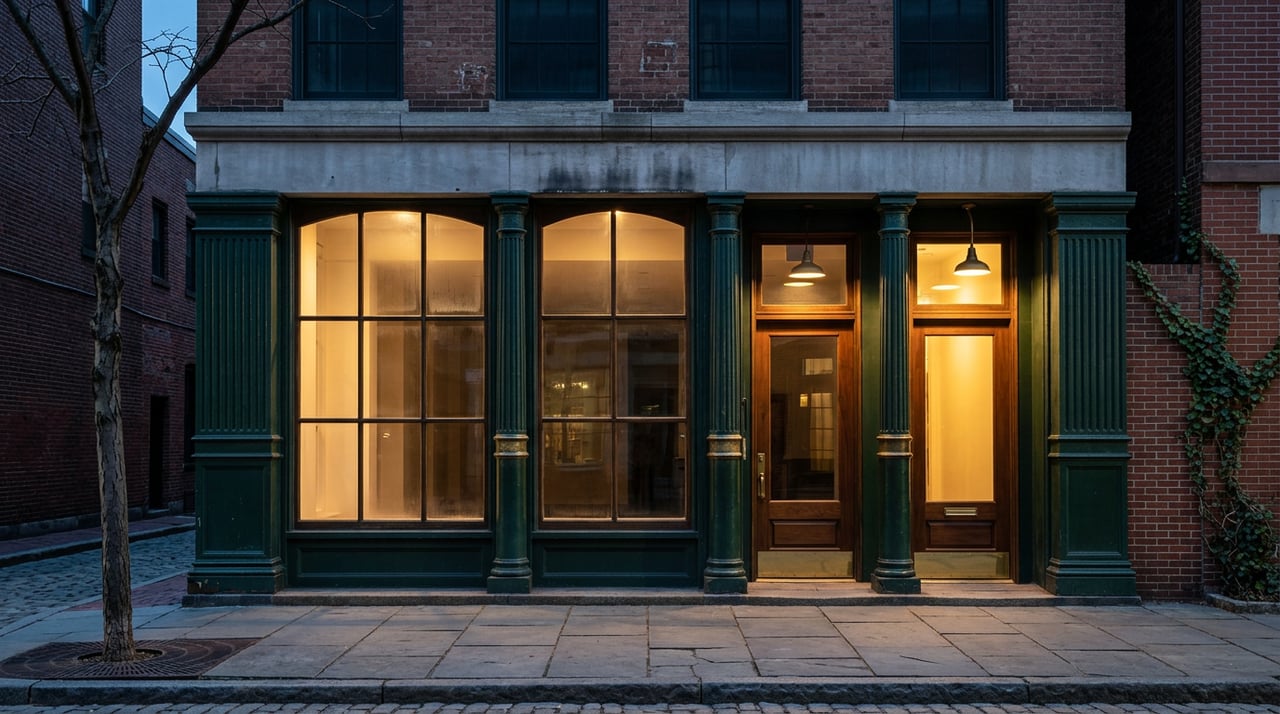
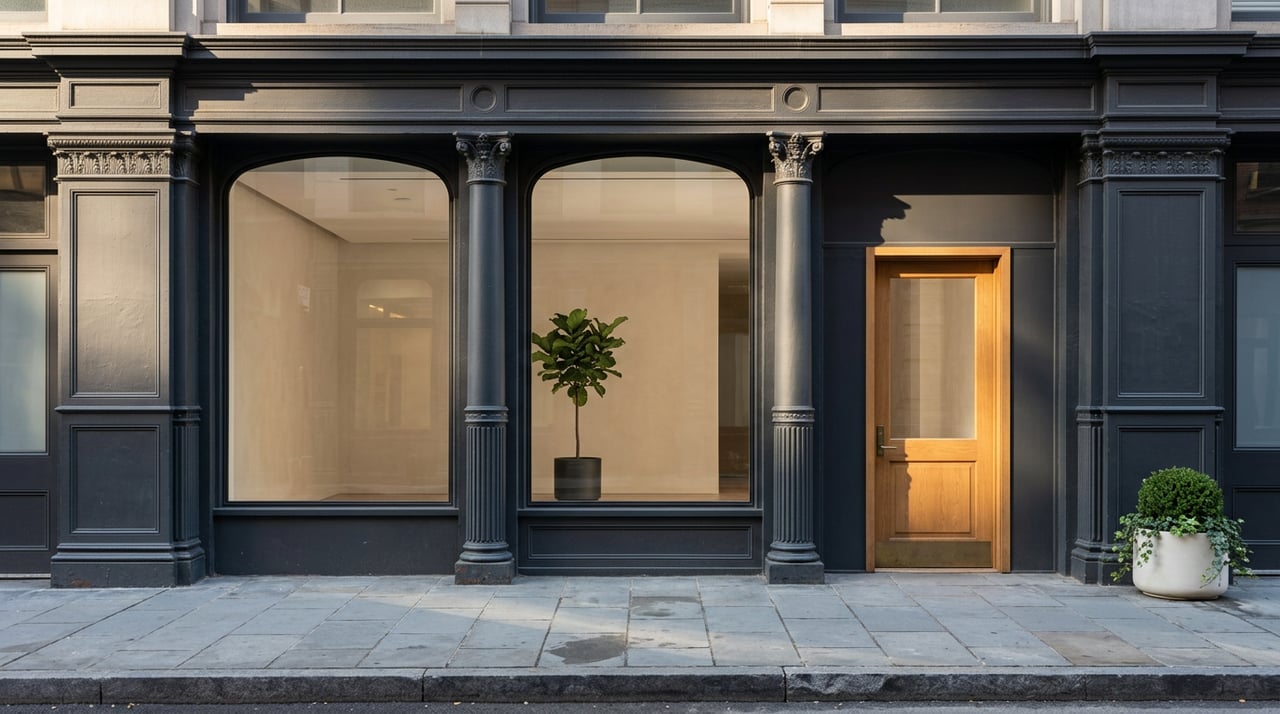
Tribeca, short for “Triangle Below Canal Street,” blends 19th‑century warehouse blocks with a handful of modern luxury towers, creating a residential pocket that feels refined and low‑key within Lower Manhattan. Commonly mapped from Canal Street to Chambers and between Broadway and the Hudson River, its tree‑lined streets, cobblestones, and pocket parks set a distinctive tone. You can read more about the neighborhood’s character and boundaries on the Tribeca Wikipedia page.
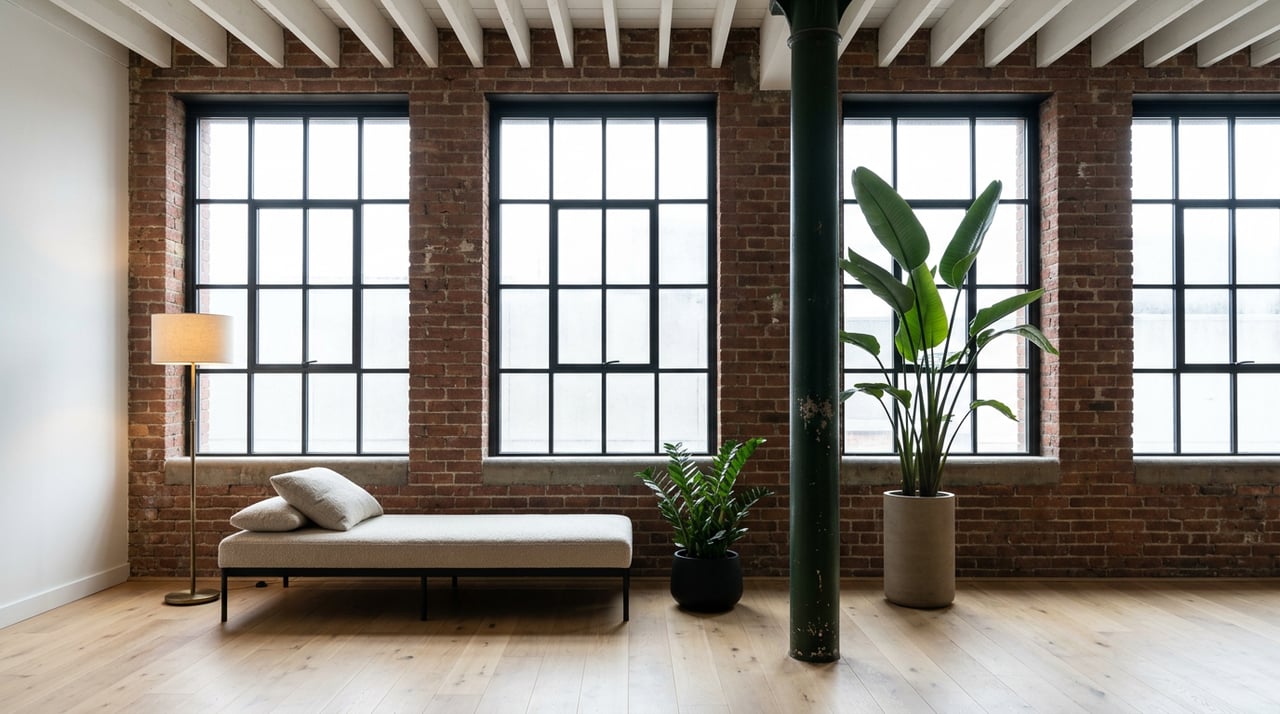
Architecture is a big part of daily life here. Historic cast‑iron buildings and former industrial lofts reflect the area’s Washington Market past, with broad floorplates, large windows, and sturdy masonry. The HDC neighborhood guide offers helpful context on how these buildings evolved and why Tribeca’s streetscape feels so cohesive.
Each spring, the neighborhood hosts the Tribeca Festival, an annual cultural event that briefly boosts foot traffic and spotlights local venues. Most of the year, though, you can expect a calm, residential rhythm.
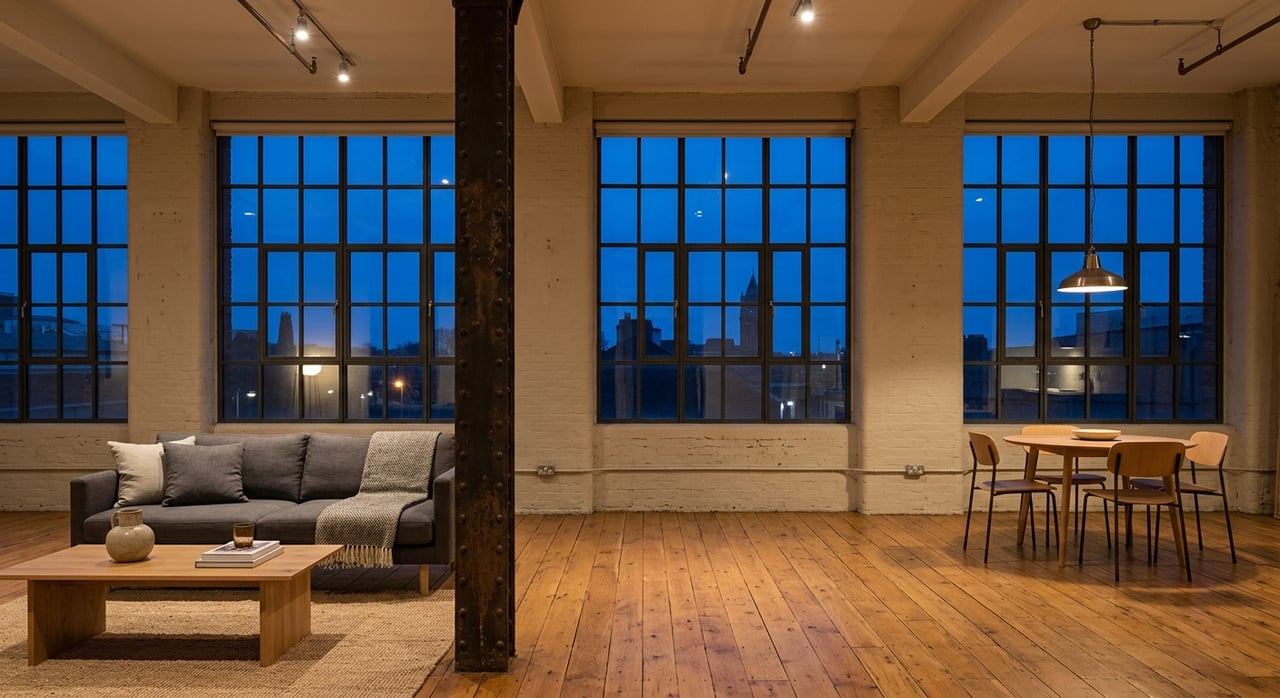
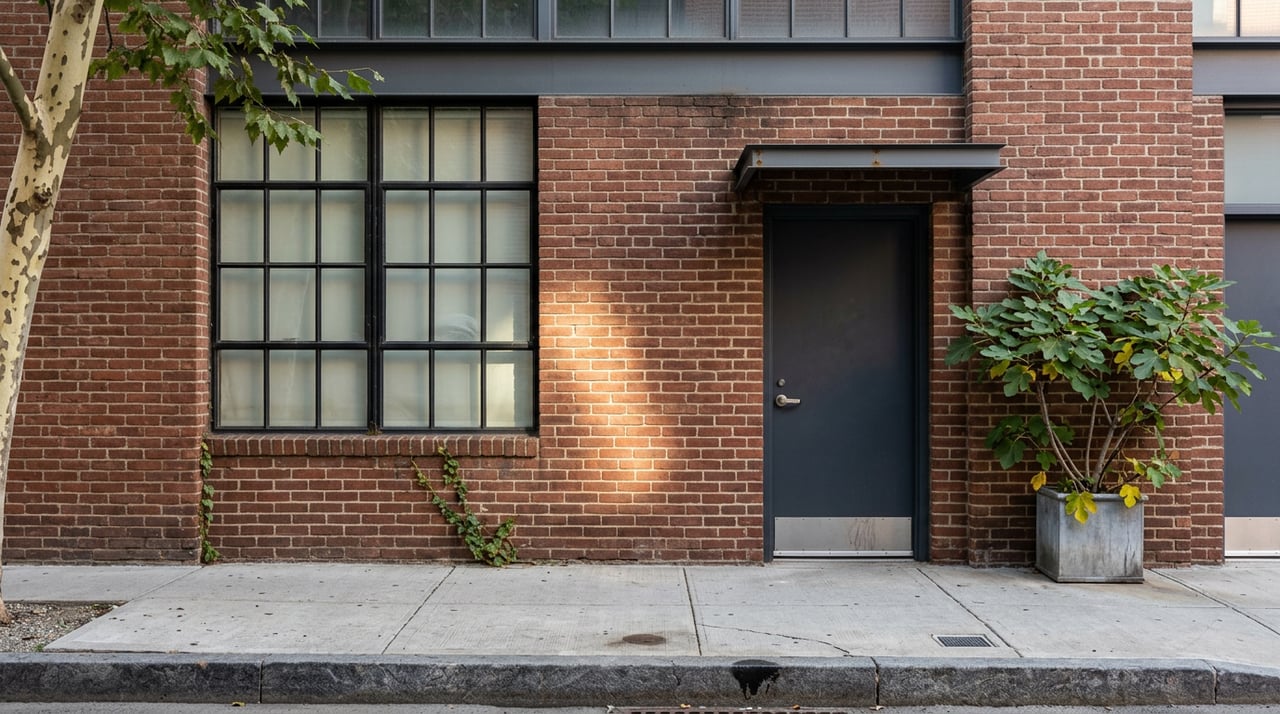
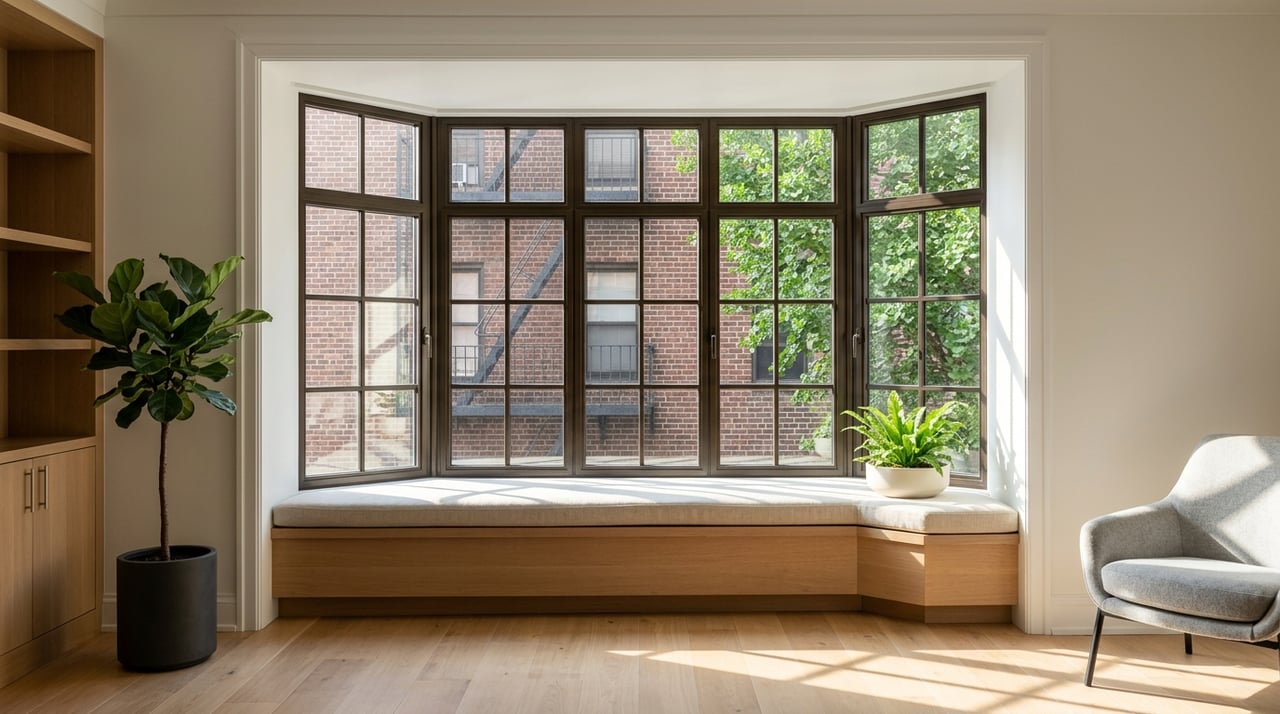
If you love volume, light, and texture, you’ll find plenty to like. Many homes in Tribeca began life as warehouses, then were converted into residences. These lofts often feature high ceilings, large industrial‑style windows, and open layouts that invite flexible living. The historic building stock, documented in the HDC guide, explains why so many units here feel visually expansive.
What to know as you tour: original details vary. Some lofts preserve exposed beams and columns. Others lean modern with clean finishes. Storage can be different from building to building, depending on how the conversion was designed or later renovated.
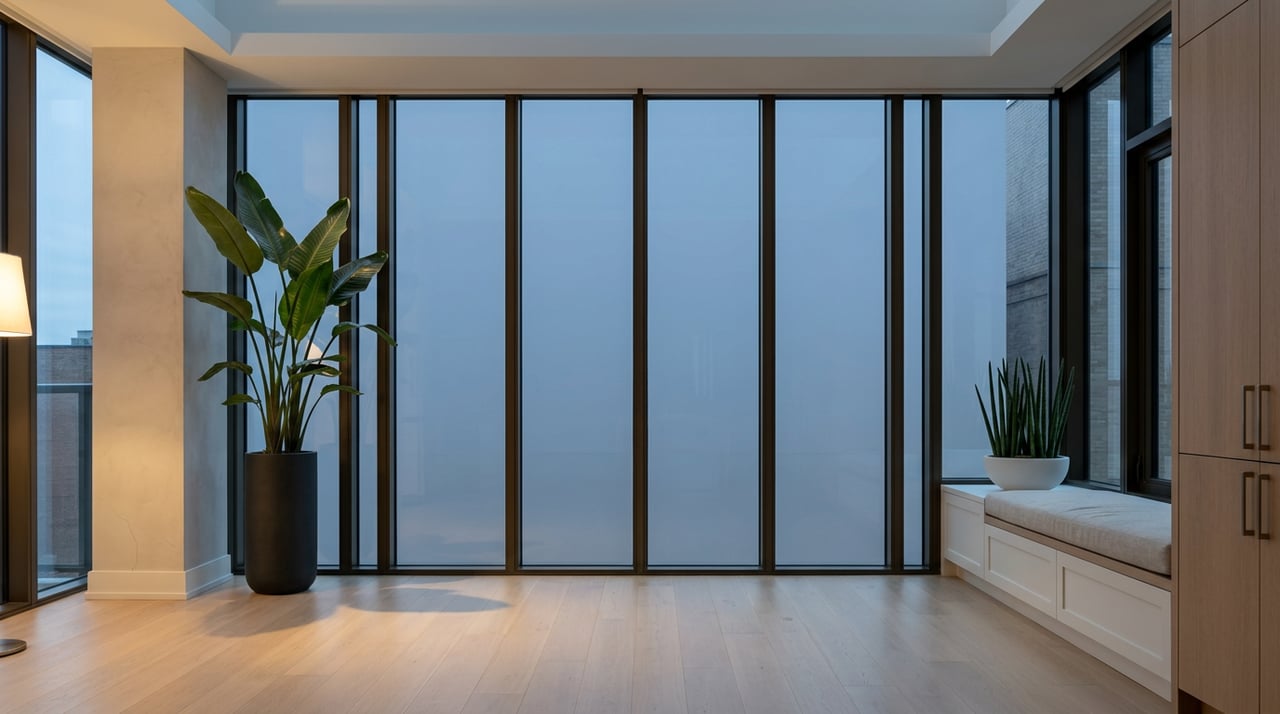
Alongside the historic fabric, you’ll find modern, full‑service condominiums. These buildings bring doorman service, resident lounges, gyms, pools, and playrooms to the neighborhood.
These examples illustrate Tribeca’s unique mix: authentic loft living next to amenity‑rich, service‑driven residences.
Tribeca is one of New York’s higher‑price neighborhoods. As of June 2025, Rocket’s Tribeca market report cited a median sold price of about $3.995 million. Treat any single data point as time‑sensitive, and always re‑check market figures before you make decisions.
Tribeca balances destination dining with comfortable neighborhood favorites. You can find celebrated tasting menus a short walk from casual brunch spots that welcome strollers. A longtime staple, Bubby’s, is often top of mind for pancakes, pies, and a relaxed vibe many residents rely on during weekends.
Expect independent cafés and small shops that double as third places for remote work or a quiet read. The density of cafés is lower than in busier nightlife districts, but you will have dependable options for a morning cappuccino, a quick meeting, or a laptop session.
You will find a practical mix of small specialty stores, bodegas, and nearby supermarkets for weekly shopping. Many residents also supplement pantry and produce runs with the neighborhood farmers’ market.
Tribeca’s waterfront is a daily quality‑of‑life win. Along Hudson River Park, Pier 25 is a go‑to for families and anyone who enjoys outdoor time. According to the Hudson River Park page for Pier 25, you will find:
Just inland, Washington Market Park offers a neighborhood playground, lawns, and community programming. Smaller pocket parks and planted medians make quick outdoor breaks easy between errands.
On Saturdays, the Tribeca Greenmarket operates near Washington Market Park. Run by GrowNYC, it brings seasonal produce, bread, and local provisions to the neighborhood year‑round, schedule permitting. Check the current details on the Tribeca Greenmarket page before you go.
You will have excellent subway access with multiple lines within a short walk. Nearby stations on the 1, 2, 3, A, C, and E connect you quickly to Midtown, Uptown, and Brooklyn. The neighborhood overview on Wikipedia is a helpful primer, and station‑specific pages can fill in exits and transfer details.
Walking and biking are straightforward. The Hudson River Park esplanade and greenway make car‑free runs and rides easy along the waterfront. Many residents skip car ownership due to the walkability and the availability of transit and ride‑share options. For drivers, the West Side Highway and Holland Tunnel allow direct access to and from New Jersey, though local streets can be busy during peak hours.
If you want a neighborhood where your morning coffee, the waterfront, and a quiet dinner all sit within a few blocks, Tribeca is hard to beat. You will trade higher prices for larger floorplans, refined building services, and a streetscape that feels distinct from livelier downtown hotspots. The best way to learn whether it works for your lifestyle is to tour a mix of homes and walk the area on a weekday and a weekend.
If you are ready to explore available lofts and condos, schedule a neighborhood walk, or benchmark pricing for a sale, connect with The Heard | Khedr Team. We will tailor a plan to your goals and make the next step feel simple.
Stay up to date on the latest real estate trends.
Get In Touch With Our Team To Learn More
Heema Khedr
110 Fifth Avenue, Floor 7 New York NY 10011