Staging Upper East Side Homes For A Strong Sale
May 7, 2026
May 7, 2026
If you are selling on the Upper East Side, staging is not just a finishing touch. In a neighborhood where listings range from a $440,000 studio to a $25.77 million penthouse, buyers are comparing homes across very different price points and expectations. The right staging helps your apartment look polished, photo-ready, and easy to imagine living in, which can make a real difference before a buyer ever walks through the door. Let’s dive in.
The Upper East Side is a premium Manhattan market, but it is not one-size-fits-all. StreetEasy reports a neighborhood median sale price of $1.2 million and a median of 55 days on market, which shows both strong value and meaningful competition. In a market like this, presentation helps tell the story of your home’s value.
That matters even more because Manhattan listings are often judged online first. According to the 2025 Profile of Home Staging, 83% of buyers’ agents said staging makes it easier for buyers to visualize a property as their future home. The same report found that photos were the most important listing asset for both buyers’ agents and sellers’ agents, which makes staging a key part of your marketing plan, not just your open house prep.
Not every room needs the same level of effort. The National Association of Realtors found that the rooms buyers care about most are the living room, primary bedroom, and kitchen. If you are deciding where to spend time or budget, start there.
On the Upper East Side, that usually means creating a living room that feels balanced and open, a bedroom that feels calm and spacious, and a kitchen that looks clean and well maintained. Buyers do not need dramatic design. They need a home that feels cared for and easy to step into.
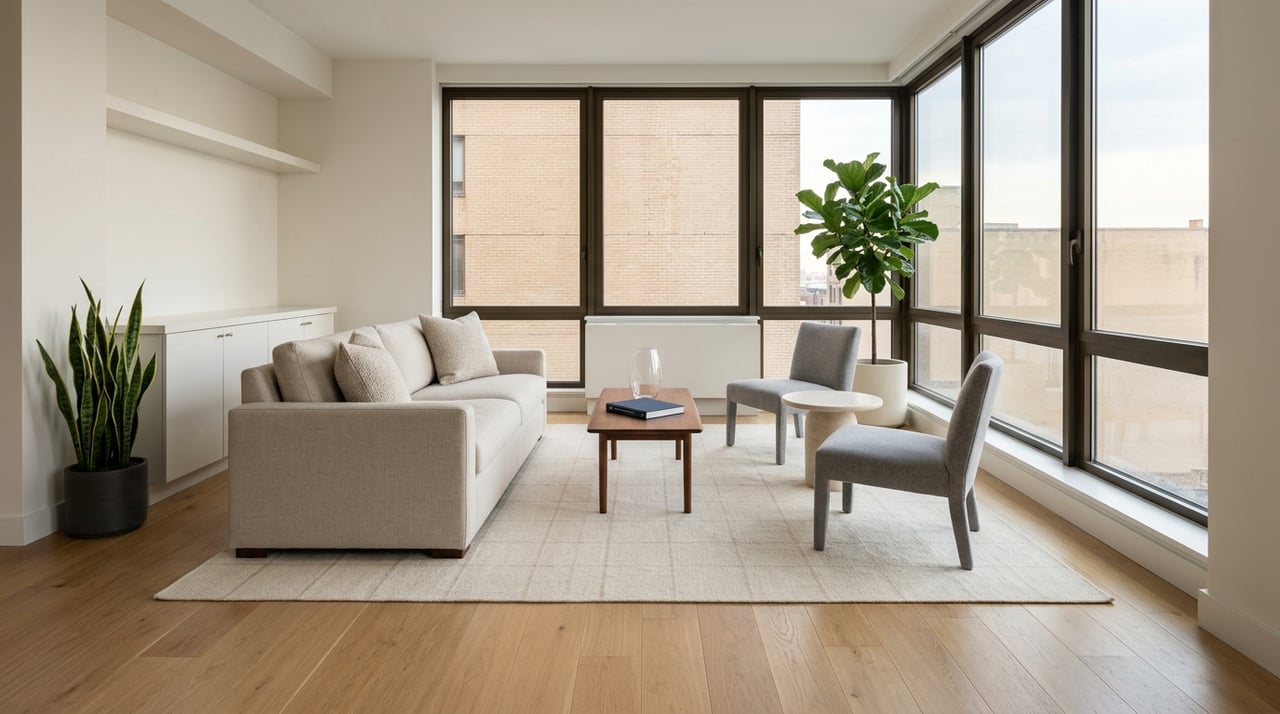
Your living room often sets the tone for the whole apartment. Use furniture that fits the scale of the room, keeps pathways clear, and helps the layout read well in photos. If the room feels crowded or awkward, buyers may assume the entire apartment is smaller than it really is.
Keep styling simple and intentional. A neutral palette, edited shelves, and a few well-chosen accents can make the space feel elevated without distracting from the room itself. On the Upper East Side, restrained and polished usually works better than trendy.
The primary bedroom should feel restful and uncluttered. That means clear nightstands, neatly made bedding, and as much visible floor area as possible. If you have oversized furniture, consider removing a piece so the room feels more open.
Storage also matters. Buyers often look closely at closets and overall organization, especially in Manhattan apartments where every inch counts. A tidy, lightly filled closet can help suggest usable storage without saying a word.
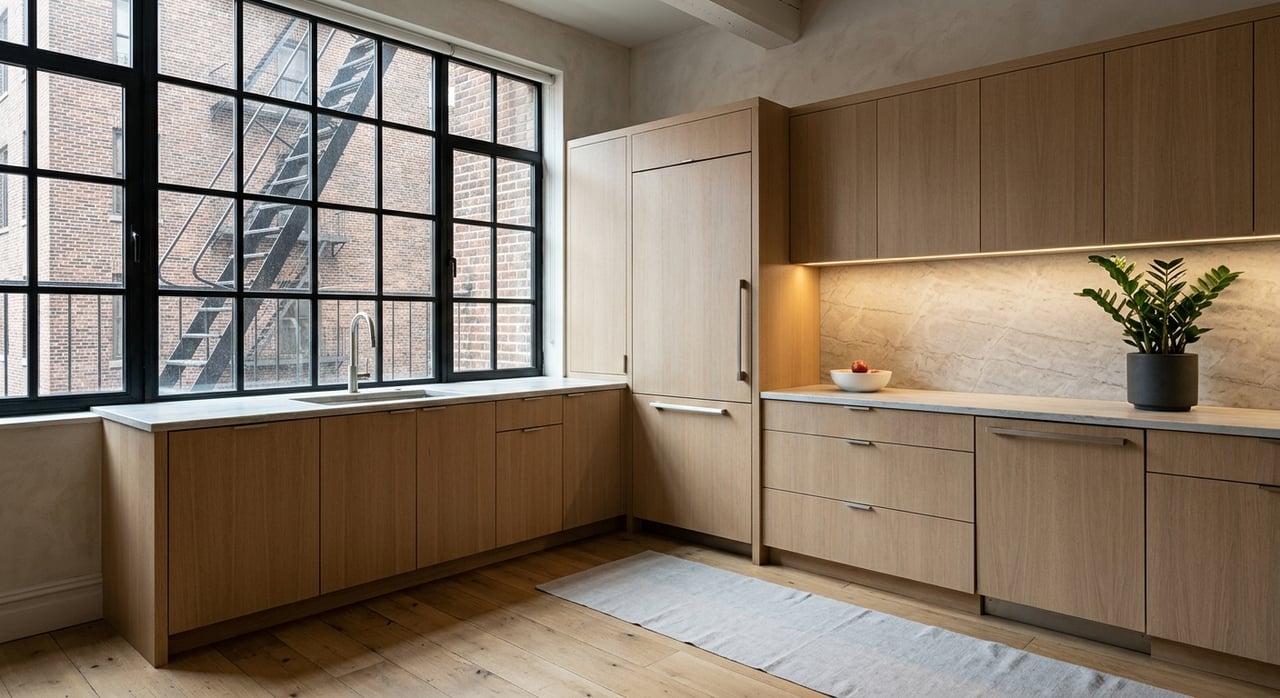
In the kitchen, clean beats complicated. Clear the counters, remove personal items, and leave only a few practical or decorative pieces if they add to the space. Buyers want to see surfaces, finishes, and function.
Even small updates can help if the kitchen shows wear. Touch-up paint, fresh caulk, repaired cabinet hardware, and deep cleaning can make the room feel better maintained. On a photo-first listing, these details show up.
The most effective staging usually starts before any decorative items come in. In the same 2025 staging report, the most common recommendations from agents were decluttering, whole-home cleaning, and improving curb appeal. For an Upper East Side apartment, that translates to reducing visual noise, deep-cleaning every surface, and making the entry experience feel neat and welcoming.
Before you think about pillows or artwork, handle the essentials:
These steps support both in-person showings and listing photography. They also help your home feel move-in ready, which is especially important for buyers comparing several apartments in one weekend.
The Upper East Side has a wide mix of housing stock, and staging should reflect that. A prewar co-op and a newer condo may appeal to different buyers, even within the same price range. Your presentation should match the feel of the apartment rather than fight it.
For co-ops, a classic and calm look usually makes the most sense. Clean lines, neutral finishes, and visible order can complement the traditional character many buyers expect in these buildings. The goal is to make the home feel timeless, well maintained, and easy to picture living in.
This does not mean the apartment has to feel formal. It means avoiding over-styling and letting proportion, light, and layout do the work. On the Upper East Side, understated often reads as confident.
For condos, buyers often respond to light, openness, and a move-in-ready feel. Keep sightlines open, use furniture that supports flow, and make sure the living room and primary bedroom feel especially strong. Those are the rooms that tend to carry the most weight with buyers.
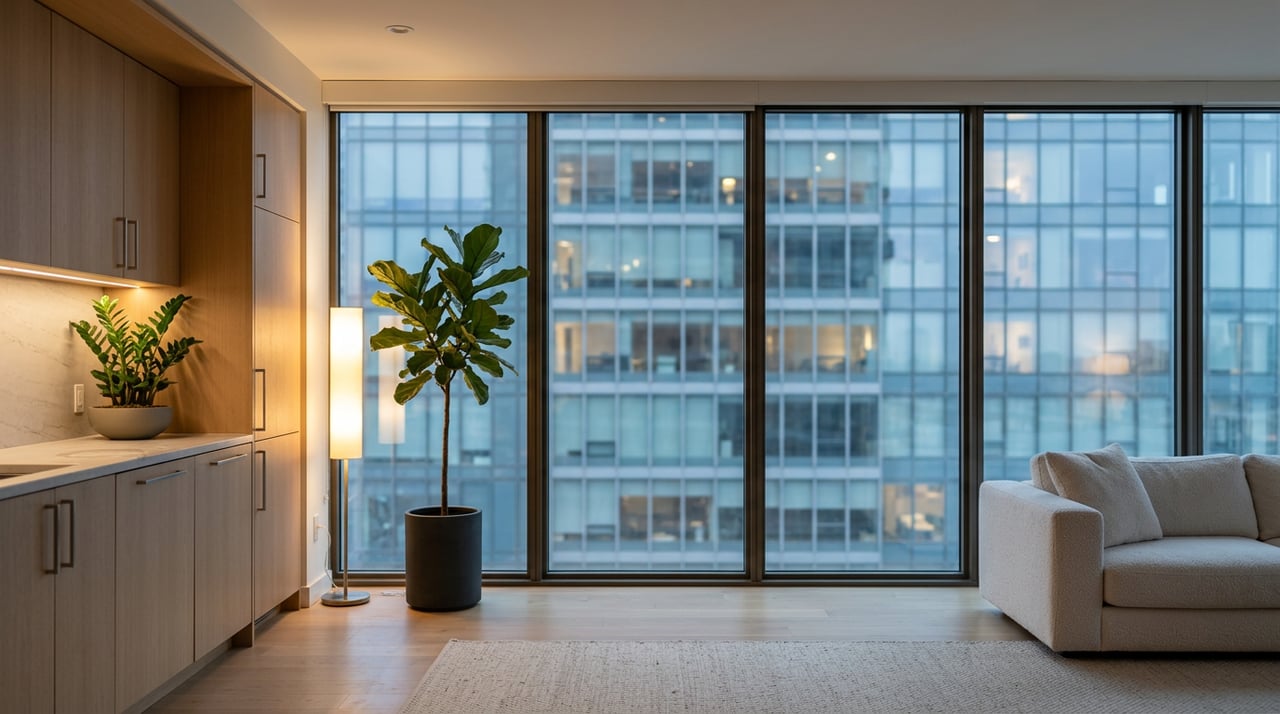
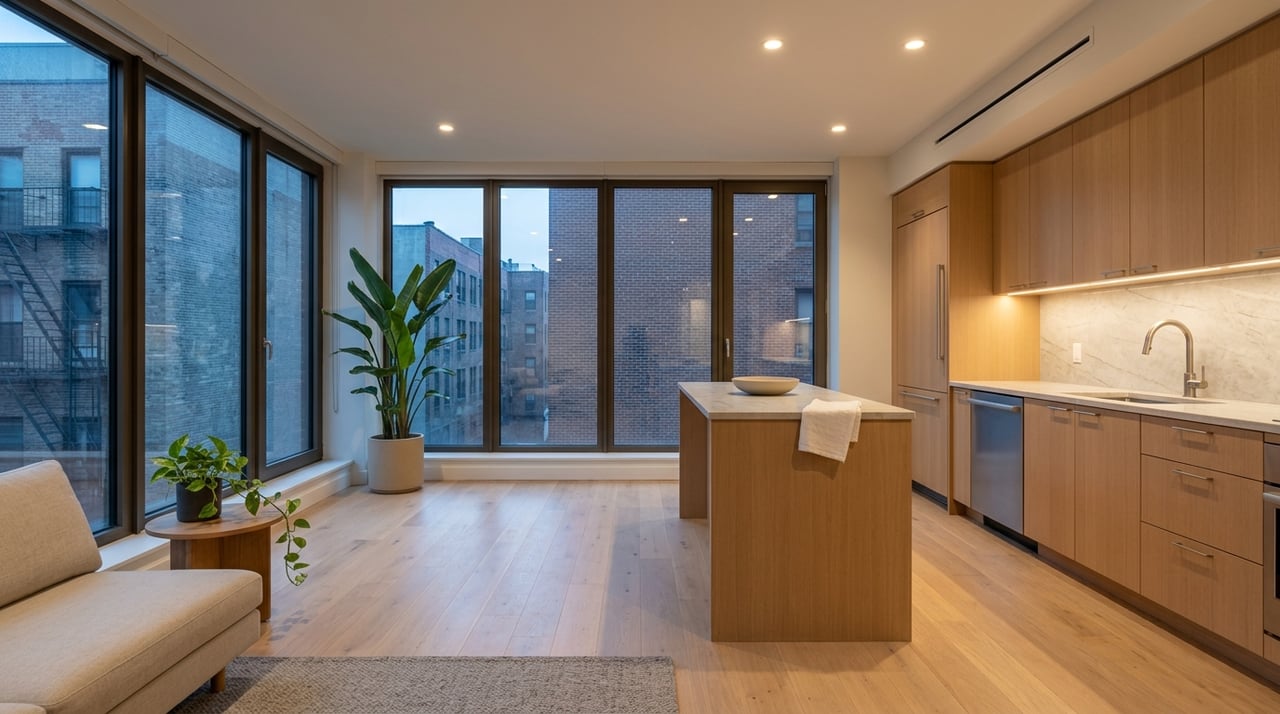
If the apartment has modern finishes or larger windows, stage in a way that highlights those features. Clean surfaces, soft textures, and simple furniture placement can help the apartment feel crisp without feeling cold.
Not every Upper East Side listing should be staged the same way. StreetEasy notes that blocks between Park and Fifth avenues are among Manhattan’s most expensive, while prices generally become more moderate farther from the park. That difference should shape how you present your apartment.
For listings in the Park and Fifth corridor, styling can lean more editorial and elevated. That might mean sharper furniture choices, more refined accessories, and a stronger focus on luxury finishes and scale. The look should still be restrained, but it can feel a bit more curated.
For apartments farther east or at more moderate price points, focus on efficiency, comfort, and move-in readiness. Buyers in this segment are often looking closely at layout, storage, and everyday usability. Staging should make the apartment feel practical, polished, and worth the asking price.
A staged home is only as strong as the way it is presented online. The 2025 Profile of Home Staging found that photos were especially important to both buyers’ agents and sellers’ agents, with videos and virtual tours also playing a major role. In other words, staging and media work together.
That is why furniture scale and sightlines matter so much in Manhattan apartments. A room may feel fine in person but look cramped in listing photos if the layout is off. When your home is staged with photography in mind, the floor plan reads more clearly and the apartment feels more inviting from the first click.
Virtual staging can help in some cases, but the research suggests physical staging is generally viewed as more important. If you use virtual staging, it is best treated as a supplement rather than the main strategy.
Many sellers wonder whether staging is worth the cost. The same NAR report found that some agents saw staging increase offers or dollar value by 1% to 5%, and sellers’ agents also reported that staging could slightly reduce time on market. The median spend on a professional staging service was $1,500.
That does not mean every apartment will see the same result. The payoff depends on the home, the building, the condition, and the price tier. But in a neighborhood where buyers compare presentation quickly and closely, staging can be a smart part of your overall sale strategy.
If your apartment needs some work before listing, Compass Concierge can help cover the cost of approved services with zero due until closing, subject to program terms and loan approval. The program is available to sellers who list with Compass and use Chartwell escrow, and repayment occurs when the home sells, the listing ends, or 12 months pass from the Concierge start date.
For Upper East Side sellers, that can be especially useful when the apartment needs a short burst of pre-listing preparation. Covered services include staging, painting, flooring, deep-cleaning, decluttering, moving and storage, cosmetic renovations, custom closet work, and kitchen or bathroom improvements. Used thoughtfully, it can make the path to market feel more manageable.
The key is to treat Concierge as a tool, not a shortcut. A strong prep plan should be based on your apartment, your building, and your target buyer. The goal is to present the home at its best, with the right improvements and no unnecessary extras.
In most cases, the best staging for an Upper East Side home feels edited, bright, and well cared for. It does not try too hard. It helps buyers notice the ceiling height, the layout, the natural light, the storage, and the overall condition.
That is especially important in a neighborhood with such a wide buyer pool and pricing range. Whether you are selling a studio, a family-sized co-op, or a luxury condo, the right staging helps your listing compete more effectively online and in person. When buyers can picture themselves living there, your home is already one step ahead.
If you are preparing to sell on the Upper East Side, a tailored staging plan can help you show your home’s full value from day one. For a high-touch strategy built around your apartment, your building, and your price point, connect with The Heard | Khedr Team.
Stay up to date on the latest real estate trends.
Get In Touch With Our Team To Learn More

Heema Khedr
110 Fifth Avenue, Floor 7 New York NY 10011