Soho Living Guide: Streets, Shops, and Loft Culture
April 9, 2026
April 9, 2026
Thinking about SoHo and wondering whether the neighborhood’s famous cast-iron blocks, busy shopping streets, and loft homes match the way you want to live? That is a smart question, because SoHo is not a one-note Manhattan neighborhood. It blends historic architecture, destination retail, and loft-style living in a way that can feel very different from one block to the next. In this guide, you’ll get a clear picture of SoHo’s streets, daily rhythm, housing stock, and what to look for if you are considering a move. Let’s dive in.
SoHo is a mixed-use Lower Manhattan neighborhood shaped by historic buildings, commercial activity, and homes created through loft conversions rather than large clusters of conventional apartment towers. According to NYC Planning’s SoHo/NoHo study materials, the broader area is generally bounded by Astor Place and Houston Street to the north, Bowery, Lafayette, and Baxter to the east, Canal Street to the south, and Sixth Avenue, West Broadway, and Broadway to the west.
That mixed-use identity matters when you picture daily life here. In SoHo, you are not choosing between a purely residential enclave and a purely commercial district. You are choosing a neighborhood where shopping, workspaces, historic architecture, and homes all sit side by side.
Broadway is the neighborhood’s best-known commercial spine. NYC Planning describes the Broadway-Houston Street area as a major commercial corridor made up primarily of commercial and mixed-use buildings, while Canal Street is also identified as a major commercial street with high pedestrian traffic.
The scale is significant. The SoHo Broadway Business Improvement District says the corridor includes about 1.5 million square feet of retail, 3 million square feet of office space, more than 21,000 workers, and roughly 25,000 residents. That helps explain why the neighborhood often feels active throughout the day.
Still, SoHo is not all one speed. The Landmarks Preservation Commission notes that the district includes cohesive streetscapes along narrower streets like Crosby and Howard, along with notable cast-iron buildings on West Broadway. For you as a buyer or renter, that means the experience of living near Broadway may feel very different from living on a quieter side street.
If you want immediate access to flagship stores, heavy foot traffic, and a strong retail pulse, Broadway delivers that experience. The SoHo Broadway district page lists major brands and destination retailers including Uniqlo, Bloomingdale’s, Nike, Prada, Muji, Michael Kors, Zara, HUGO BOSS, Sephora, and MAC Cosmetics.
This is the version of SoHo many people picture first. It is energetic, highly visible, and easy to navigate if you like being in the middle of the action.
A short walk off the busiest retail corridors can change the mood. The narrower streets and preserved historic buildings create a more intimate feel, even though you are still in a dense, active part of Lower Manhattan.
If you are exploring SoHo as a place to live, this block-by-block variation is one of the most important things to understand. The neighborhood may feel lively and crowded on one street, then much more tucked-in around the corner.
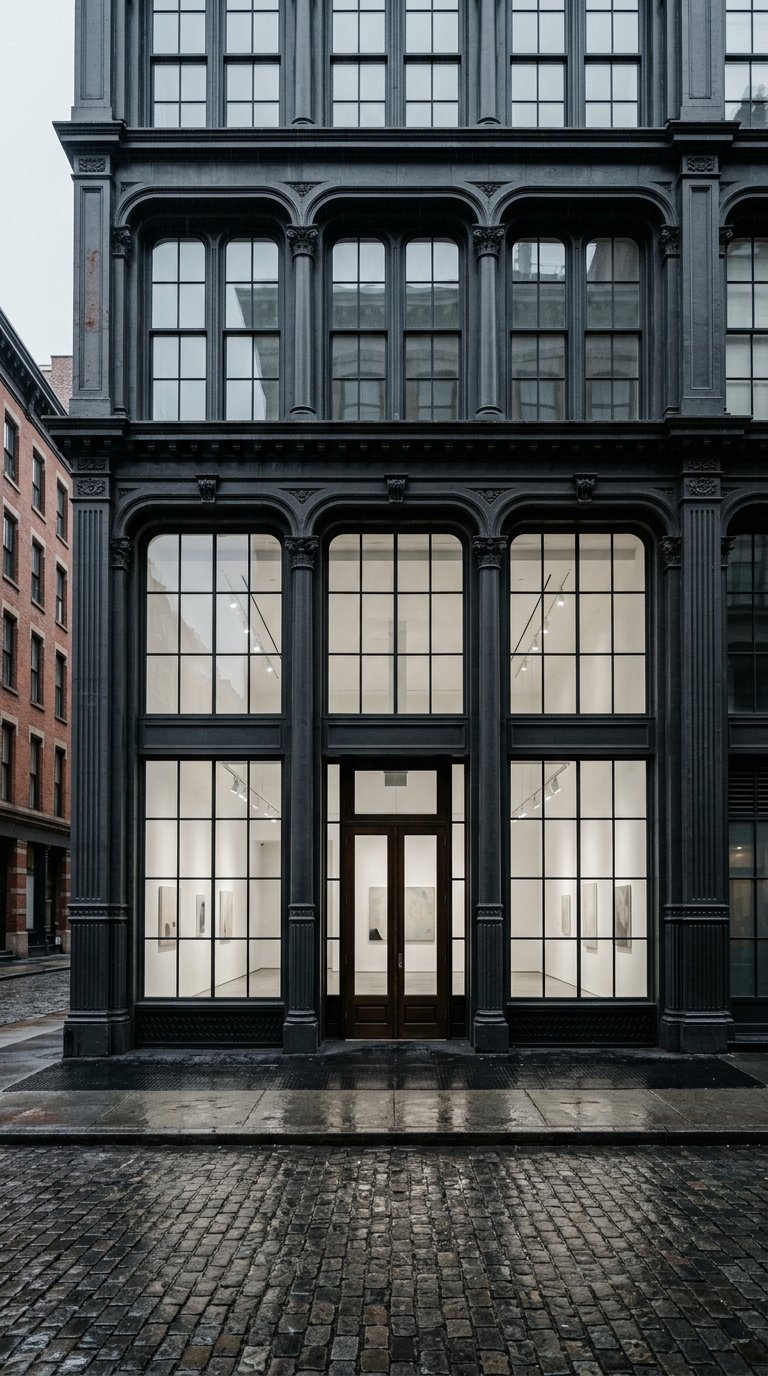
SoHo’s visual identity is deeply tied to cast-iron architecture. The SoHo Broadway BID notes that the neighborhood was designated a historic district in 1973 because of its large concentration of cast-iron facades, which made ornate architectural detail more affordable than granite or marble.
The historic district is substantial. The Landmarks Preservation Commission’s designation materials say the original 1973 district protected about 500 buildings across 25 blocks, and the 2010 extension added roughly 135 more. That level of preservation is a major reason SoHo still feels visually cohesive today.
For anyone considering a home here, this history is not just background. It directly shapes the look of the blocks, the style of many residences, and the overall atmosphere you experience every day.
A few notable buildings and public-facing landmarks help illustrate SoHo’s range today:
These landmarks help connect SoHo’s past to its present-day identity as both a historic and actively used neighborhood.
SoHo’s housing story starts with industry, not conventional apartment development. The Landmarks Preservation Commission explains that many buildings in the area were originally constructed in the post-Civil War period as store-and-loft buildings for wholesale dry-goods merchants and manufacturers.
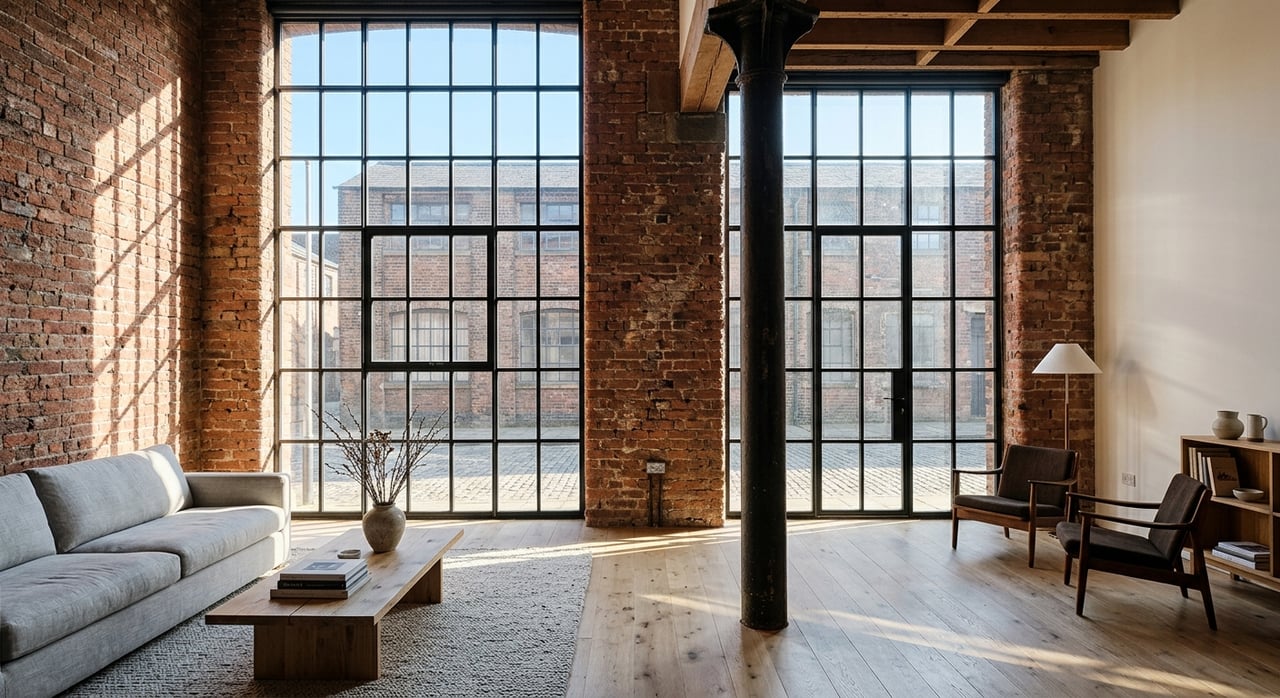
That foundation set the stage for the neighborhood’s most recognizable housing type. In the 1960s, artists converted many warehouses and lofts into studios, galleries, and living quarters, and NYC Planning notes that these buildings were well suited to adaptive reuse because they offered large floor plates and high ceilings.
If you are comparing SoHo to other Manhattan neighborhoods, this is one of the biggest differences. SoHo housing is often best understood as loft-heavy rather than apartment-heavy.
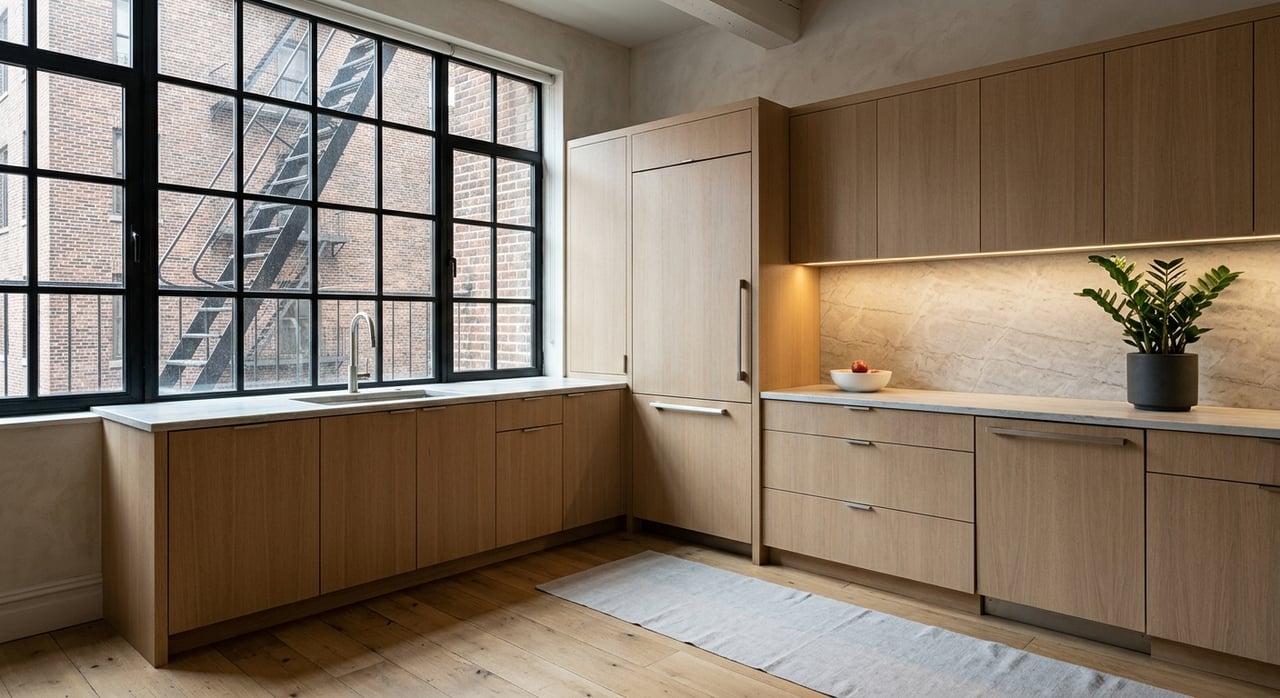
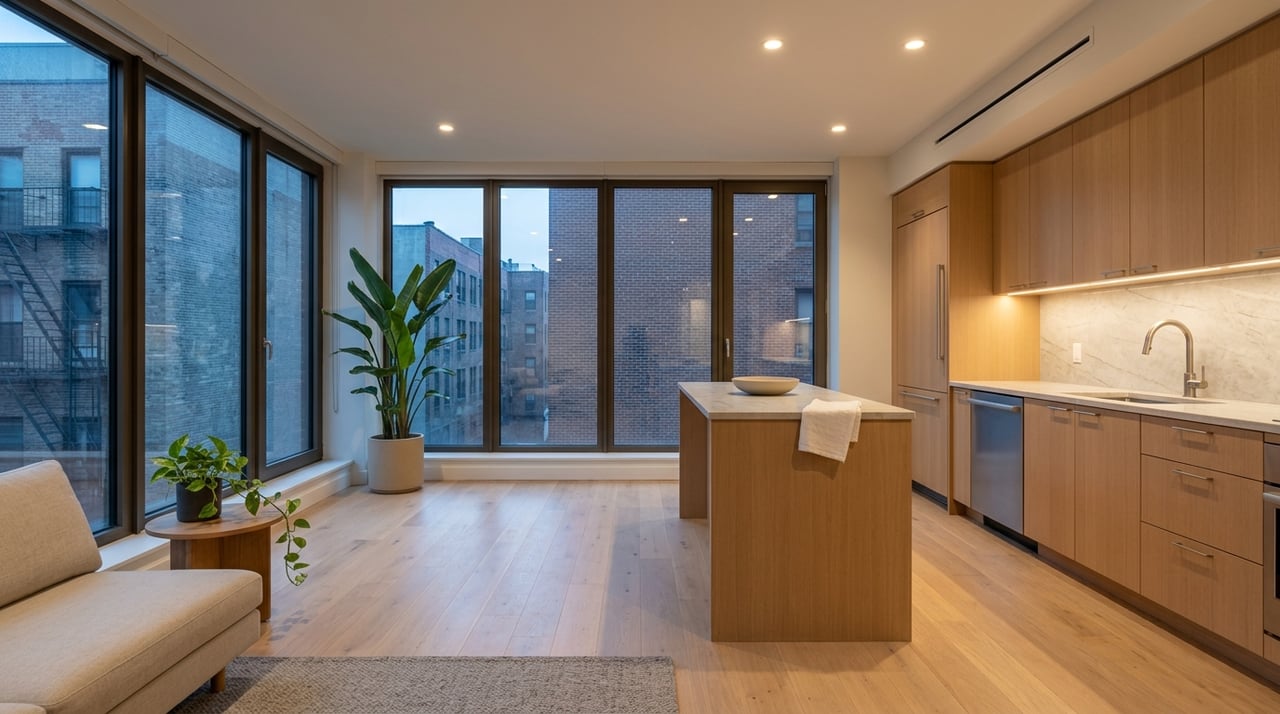
In practical terms, many homes here are associated with features such as:
The area also includes some early residential buildings, later co-op and condo conversions, and newer mixed-use infill near the edges of the historic core. Even so, the loft legacy remains central to how buyers and renters think about SoHo.
A major turning point came with the 1971 zoning change that allowed artists to live and work in the area. The Landmarks Preservation Commission notes that SoHo went on to become one of the nation’s most important contemporary art centers, and by 1978 about 5,000 artists were living there.
Over time, SoHo evolved into a fashionable residential and commercial address. That arc helps explain why the neighborhood still feels creative, historic, and market-driven all at once.
For many residents, SoHo’s retail access is a real lifestyle benefit. If you like being able to run errands, browse major brands, and meet friends without leaving the neighborhood, SoHo offers that kind of convenience at a high level.
The retail corridor also remains active by current standards. Recent posts from the SoHo Broadway BID reported corridor retail occupancy at 87% in September 2025 and 89% in January 2026, which points to continued demand and a strong destination profile.
That said, convenience comes with tradeoffs. The same streets that make shopping easy can also be the busiest, especially along Broadway and Canal Street.
SoHo is exceptionally well connected by subway. According to MTA line maps, nearby service includes:
The SoHo Broadway BID also states that the district has 10 subway lines with stops in it. For you, that can mean easier commutes, flexible routing, and strong access to other parts of Manhattan and beyond.
Transit is only part of the picture. SoHo also works well for people who value walkability and a neighborhood where daily needs, shopping, and dining are close at hand.
If you prefer to do much of your day on foot, this is one of SoHo’s clearest advantages. You can often move between home, transit, errands, and social plans without needing to think much about a car.
Every Manhattan neighborhood has a tradeoff, and SoHo’s is fairly straightforward. You get architectural character, strong retail, and excellent subway access, but you also need to think carefully about congestion, foot traffic, and block-level differences.
The SoHo Broadway BID’s quality-of-life initiative focuses on pedestrian flow, sidewalk safety, congestion, vending, events, and construction, which reflects how active the area can be. The BID also says its maintenance team cleans sidewalks and removes graffiti daily.
For some buyers and renters, that energy is a major plus. For others, the better fit may be a side street or edge location that still offers access to SoHo’s advantages with a more buffered feel.
SoHo can be a strong fit if you are drawn to historic architecture, loft-style homes, shopping access, and a lively Manhattan street scene. It can also appeal if you want a neighborhood that feels highly connected to the rest of the city through multiple subway lines.
At the same time, fit depends heavily on your exact block and building type. A loft on a quieter side street may offer a very different experience from a home close to the busiest stretches of Broadway or Canal Street.
If you are weighing SoHo against nearby neighborhoods or trying to understand whether a loft, co-op, condo conversion, or mixed-use building is the right match, local guidance can save you time and sharpen your search. The The Heard | Khedr Team helps buyers, sellers, and renters navigate Manhattan with a high-touch, data-informed approach that keeps the focus on your goals.
Stay up to date on the latest real estate trends.
Get In Touch With Our Team To Learn More

Heema Khedr
110 Fifth Avenue, Floor 7 New York NY 10011