Waterfront vs Interior Living in Williamsburg
February 26, 2026
February 26, 2026
You can catch a cotton-candy sunset along the East River, then wander home past food stalls and a riverside playground. Or you can roll out of bed to brunch on Bedford Avenue, grab a coffee from a corner spot, and cut through a leafy park to your apartment. If you are weighing Williamsburg’s waterfront against its interior blocks, you are choosing a daily rhythm as much as an address. In this guide, you will learn how parks, dining, transit, and housing differ so you can match a pocket to your routine and budget. Let’s dive in.
“Waterfront” means the blocks hugging Kent Avenue and the East River promenade, including the Domino Park campus, Schaefer Landing, the North Williamsburg piers, and the Bushwick Inlet edge. These blocks feature major new parks and the largest recent developments, many with skyline views and full-service amenities. Domino Park’s site offers a clear snapshot of the riverfront’s centerpiece.
“Interior” refers to the blocks around and east of Bedford Avenue, stretching toward Grand, Broadway, and Bushwick, plus the area near McCarren Park at the north end. Here you will find smaller buildings, converted lofts, and a neighborhood feel anchored by Bedford Avenue’s retail and McCarren’s fields and pool.
Residents also use “North” and “South” Williamsburg informally. North often skews more waterfront-oriented and residential. South mixes longstanding communities with newer condo development.
If you prioritize river sunsets, open-air strolls, and programmed events, the waterfront is hard to beat. Domino Park lines the river with a playground, dog run, courts, and a wide promenade that hosts year-round activities. To the north, Bushwick Inlet Park adds athletic fields, a viewing platform, and room to spread out. At 90 Kent Avenue, Marsha P. Johnson State Park is a popular green space that also hosts Smorgasburg in season, which brings lively weekend crowds to the riverfront.
Interior Williamsburg’s everyday “backyard” is McCarren Park. It offers athletic fields, tennis courts, a seasonal pool, and a weekly greenmarket. If you want team sports, dog runs, and a steady neighborhood rhythm, living closer to McCarren can make daily routines simpler.
Bedford Avenue is the core commercial spine for independent shops, coffee, casual dining, and nightlife. Interior blocks typically deliver denser small-business retail and steady evening foot traffic. You can handle errands and weeknight dinners within a few blocks.
Waterfront dining leans into skyline views. New developments around Domino add ground-floor restaurants and curated retail, and nearby rooftops deliver destination-worthy scenes. For a taste of the vibe, explore this roundup of Williamsburg rooftop bars with views. Weekends are busiest along the river thanks to park programming and seasonal markets, while interior streets tend to hum more evenly throughout the week.
The L at Bedford Avenue anchors much of interior Williamsburg and offers a straightforward route to Union Square and the 14th Street corridor. The station received accessibility and capacity upgrades, as noted in the MTA’s station improvements update. To the south, Marcy Avenue on the J/M/Z provides over-bridge service into the Lower East Side and lower Manhattan. If your office sits near Delancey, Essex, or the Financial District, that can tilt the balance.
The G adds Brooklyn and Queens crosstown options from northern interior blocks. Your preferred line, plus walking distance to a specific station, often matters more than any single minute-by-minute trip estimate.
Waterfront residents benefit from the North and South Williamsburg stops on the East River route. If you work near Pier 11/Wall Street or East 34th Street, the ferry can be a practical and scenic alternative. Confirm locations and schedules via the city’s NYC Ferry information page.
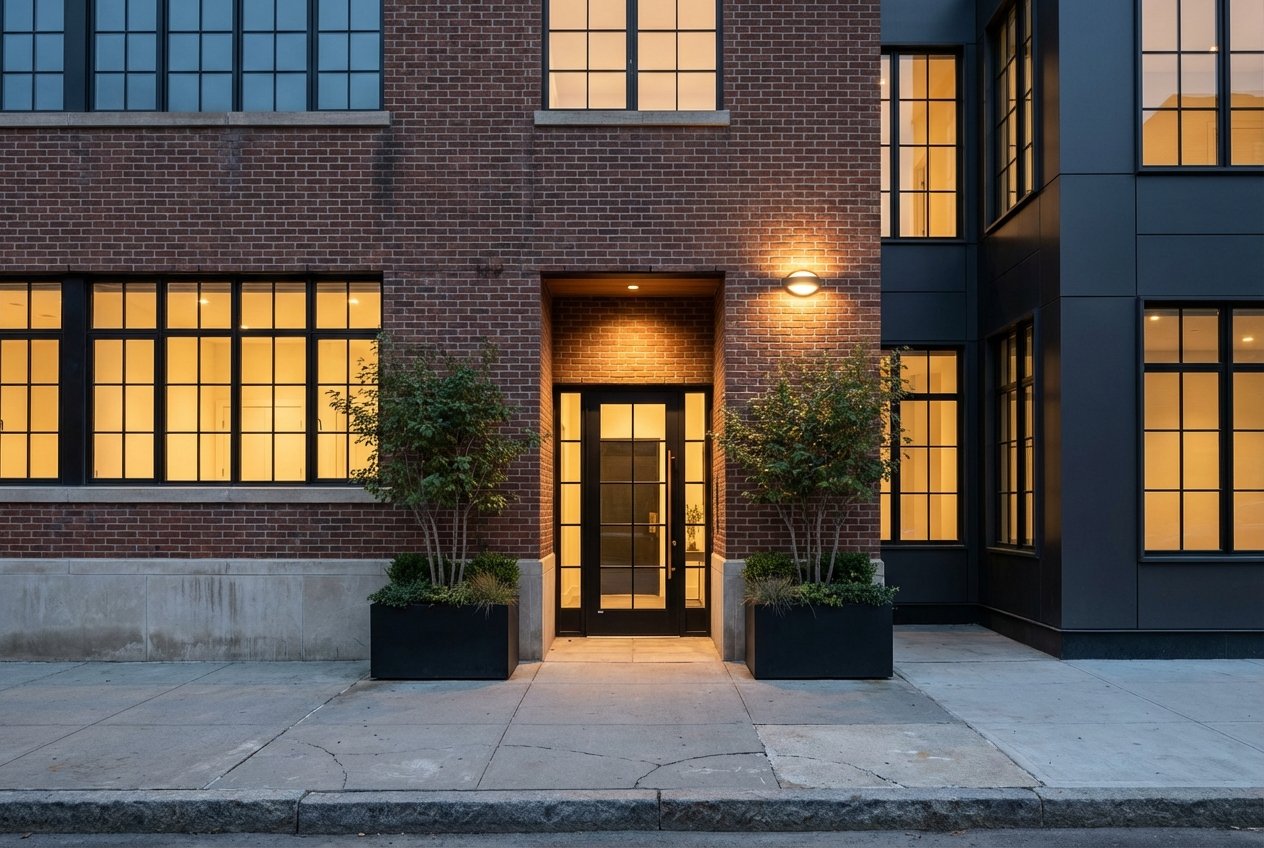
Waterfront buildings are often new construction towers or large full-service properties shaped by master plans like the Domino campus. Expect doormen, gyms, pools, and shared outdoor spaces that emphasize views. These features typically command a premium per square foot. For a window into the scale and amenities driving the riverfront, see the Domino redevelopment overview in Two Trees’ project materials.
Interior housing spans prewar walk-ups, rowhouses and brownstones, smaller elevator buildings, and converted warehouses. You will see more variation in character, floor plans, and finishes. Many buyers trade skyline views for lower acquisition costs or larger rooms in older buildings, though exact pricing depends on the building, floor, exposure, and condition.
Your best Williamsburg fit comes down to how you live each day: where you work, how you commute, and what you want outside your front door. If you want help narrowing buildings and blocks to match your routine and budget, we are here to guide the search and handle the details. Start a tailored plan with The Heard | Khedr Team.
Stay up to date on the latest real estate trends.
Get In Touch With Our Team To Learn More
Heema Khedr
110 Fifth Avenue, Floor 7 New York NY 10011