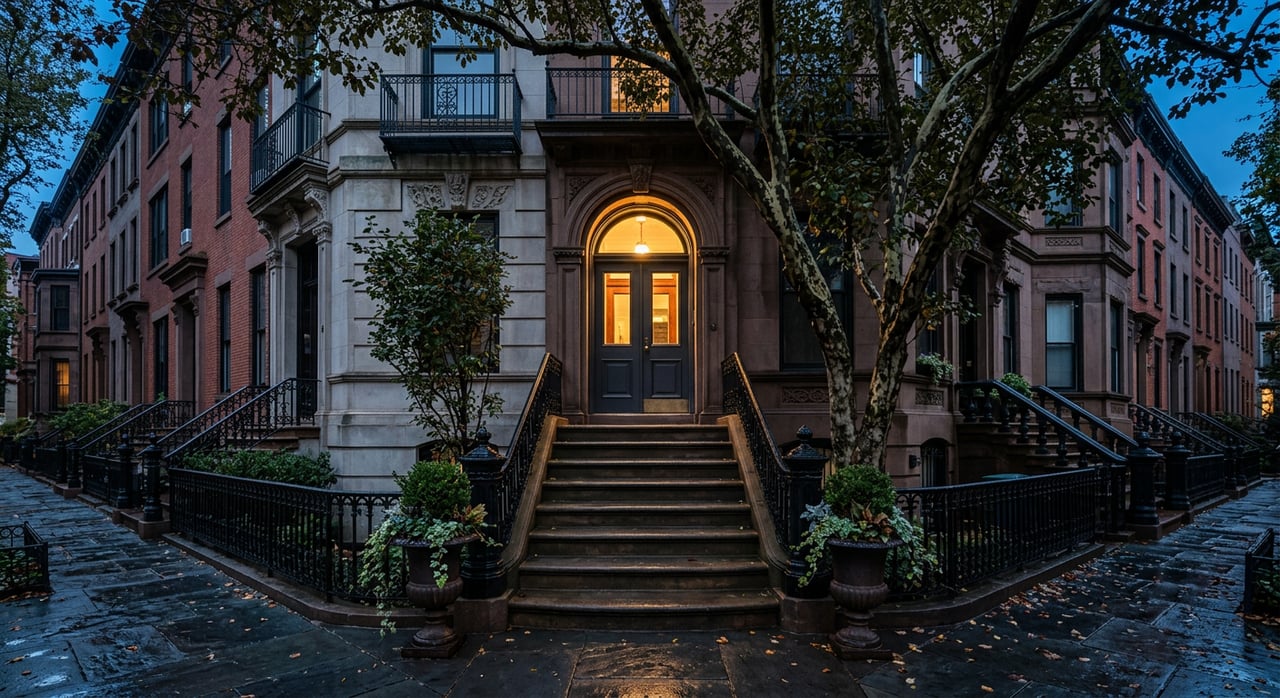
Living in Brooklyn Heights With Quiet-Luxe Appeal
March 12, 2026
March 12, 2026
Sunrise on the Promenade feels like a private show. You step onto the brick path, pass a line of benches, and the Lower Manhattan skyline opens up in quiet detail. If you’re coming from a busier part of the city, that calm can feel like an exhale. In this guide, you’ll see how Brooklyn Heights delivers a “quiet‑luxe” lifestyle through its historic streets, daily routines, market realities and practical tips. Let’s dive in.
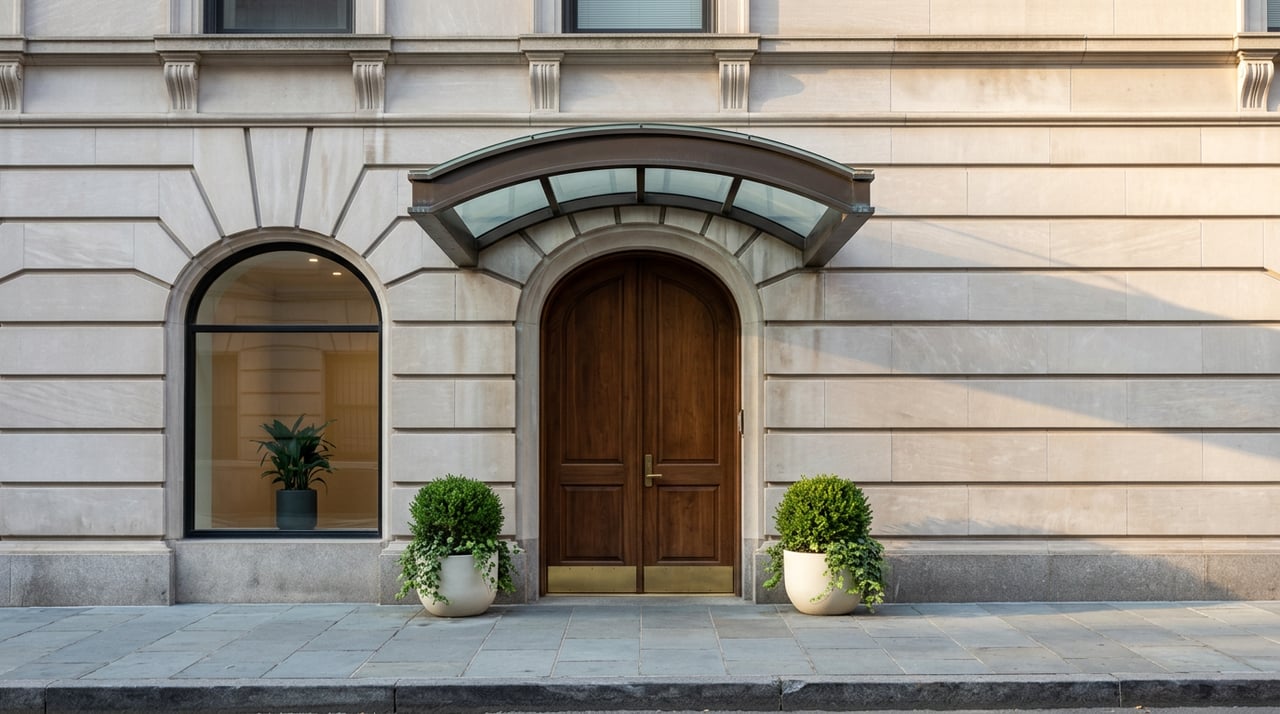
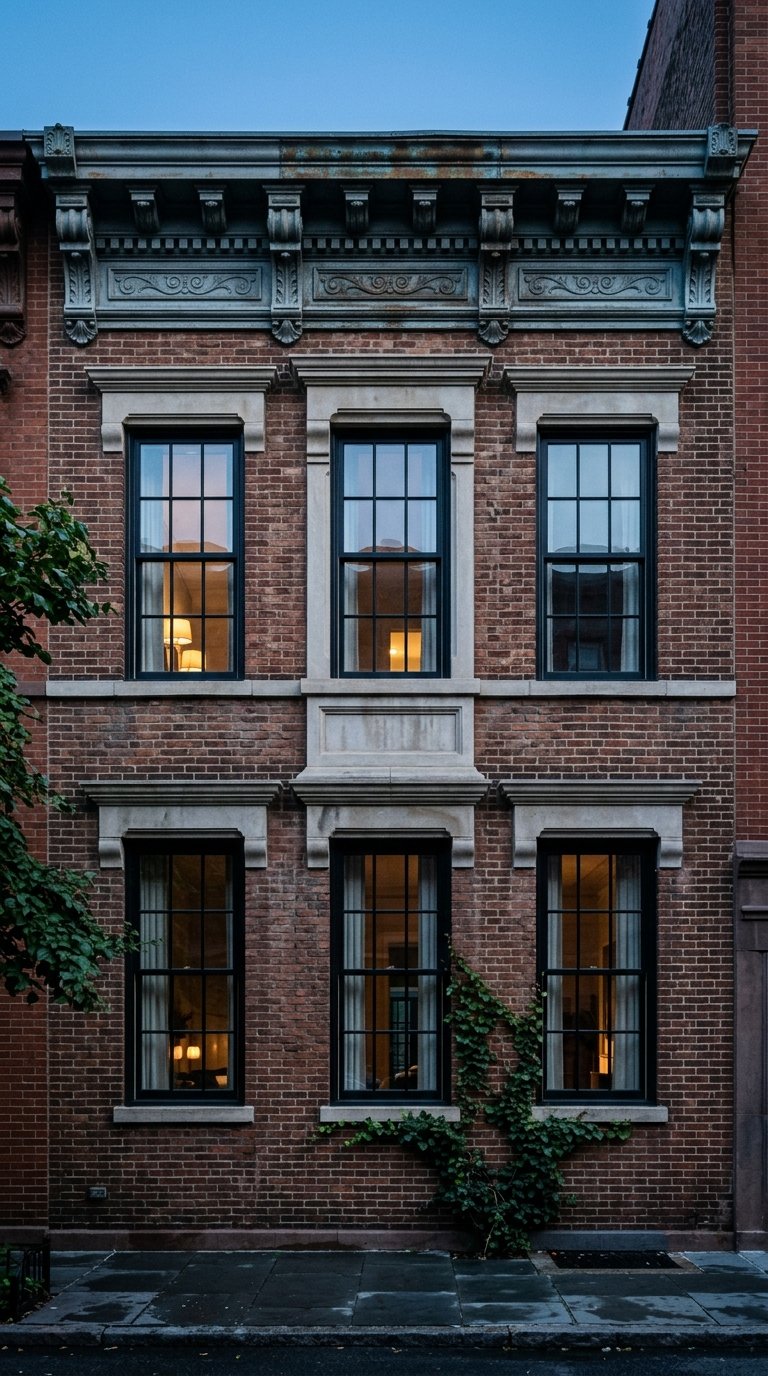
Walk a block like Pierrepont or Cranberry and you’ll see the formula: tree‑lined streets, brownstone stoops and a consistent, low‑rise scale. That look is not an accident. Brooklyn Heights is a designated New York City historic district, which protects façades and streetscapes and keeps the neighborhood’s refined, residential feel intact. You can learn more about the area’s landmark status in the city’s official historic district designation report.
The waterfront is the neighborhood’s signature luxury. The Brooklyn Heights Promenade offers sweeping views of the harbor and skyline, while Brooklyn Bridge Park’s Pier 1 gives you lawns, paths and playgrounds for daily runs or sunset walks. This pairing of serene side streets and dramatic public space is the heart of the quiet‑luxe feel.
Start with a coffee on Montague or Henry Street, then head to the Promenade for a quick skyline check before work. If you commute to Lower Manhattan, multiple nearby subway lines and NYC Ferry stops keep the ride short and simple. The routine is calm, but never dull.
Montague Street functions as the neighborhood’s Main Street with cafés, services and small shops. It has seen some vacancy and turnover, and local groups are focusing on improvements. The Brooklyn Heights Association shares updates on revitalization efforts for Montague Street, which helps set realistic expectations as the mix evolves.
Weeknights lean local: relaxed dinners, a concert in a nearby church, or a stroll through the park. On weekends, the Promenade and piers draw more visitors, especially at sunset. Expect a bit more bustle by the water while side streets stay relatively quiet.
You’ll find classic brownstone and brick rowhouses, pre‑war co‑ops and small apartment buildings, plus a handful of boutique condos. The landmark district keeps building heights modest and façades consistent, which protects the streetscape and limits large new development inside the core. Newer condo options tend to cluster closer to Downtown Brooklyn and Atlantic Avenue. The city’s designation report notes the area’s 19th‑century styles and details, from Greek Revival to Italianate, that define the look and feel.
Recent snapshots show a premium neighborhood with a wide range by property type. In 2025–2026, published medians typically fell in the low‑millions, with several sources citing figures near the 1.9–2.3 million range depending on the mix of co‑ops, condos and townhouses. Borough‑level reporting also pointed to price gains through 2024–2025. You can review broader Brooklyn trends in Douglas Elliman’s Q4 2025 market report.
Because neighborhood samples are small and skewed by high‑end townhouse sales, treat any single median with care. A practical rule is to look at several recent months and confirm the property type. (Sources commonly referenced by buyers include Redfin, Realtor.com and Rocket Homes. Dates: 2025–2026.)
You have direct access to multiple subway lines at Clark Street and the Borough Hall–Court Street hub, with additional options nearby. The NYC Ferry at DUMBO/Fulton Ferry and near Pier 1 gives another route to Lower Manhattan. It is a straightforward area for downtown commuters.
Brooklyn Bridge Park provides lawns, playgrounds and frequent programming. Families appreciate the convenience of Pier 1 and the Squibb Park Bridge connection for easy access across the Heights down to the waterfront. Explore the park’s offerings at Pier 1.
The neighborhood and surrounding area offer a mix of public schools, private day schools and nearby after‑school options. Families often cite the parks, playgrounds and local programs as a key draw. For a neighborhood overview and community resources, visit the Brooklyn Heights Association.
Street parking is limited, and many households choose to live car‑light. If parking matters to you, sample weekend conditions and check local garage rates before you commit.
Many classic apartments here are co‑ops, which means a board package and interview are part of the process. Expect to prepare financials, references and occupancy plans. For a clear primer, read this overview of co‑op board packages in NYC.
Exterior changes visible from the street in the historic district require Landmarks Preservation Commission review. That includes items like windows, stoops and cornices. Interior updates depend on scope and standard permitting. See the district’s designation report for the framework that shapes approvals.
Spend a weekend to test the vibe. Visit the Promenade at sunset, walk Montague Street, check playgrounds and garage pricing, and ride your likely commute. A short stay will reveal how the neighborhood fits your routines.
Brooklyn Heights pairs residential calm with iconic views and real convenience. If you want tree‑lined blocks, a strong sense of place and easy access to the waterfront and Lower Manhattan, it is worth serious consideration. The trade‑offs are measured space in classic buildings and the practical steps of co‑op ownership or landmark rules, which many buyers accept for the lifestyle.
If you’re weighing a move, we can help you parse the options, from quiet co‑ops to view‑forward condos near the park. For a tailored plan or a current valuation, reach out to The Heard | Khedr Team. We will map the right properties to your goals and pace.
Stay up to date on the latest real estate trends.
Get In Touch With Our Team To Learn More
Heema Khedr
110 Fifth Avenue, Floor 7 New York NY 10011