Why the Tribeca Boutique Condo Market Attracts Long-Term Owners
April 2, 2026
April 2, 2026
Looking for a home in Tribeca that still feels special years after closing? That is a big reason boutique condos continue to stand out here. In a neighborhood shaped by historic loft buildings, long-term owners are often drawn to homes with lasting character, lower-density living, and a strong sense of place. If you are weighing whether a boutique condo fits your goals, this guide will walk you through why these properties can appeal to owners who plan to stay for the long haul. Let’s dive in.
Tribeca is not a neighborhood defined by generic residential towers. It grew from an industrial and mercantile past, with an area roughly bounded by Canal Street, West Street, and Vesey Street in New York State planning materials. Many of its best-known buildings began as store-and-loft properties, not modern apartment developments.
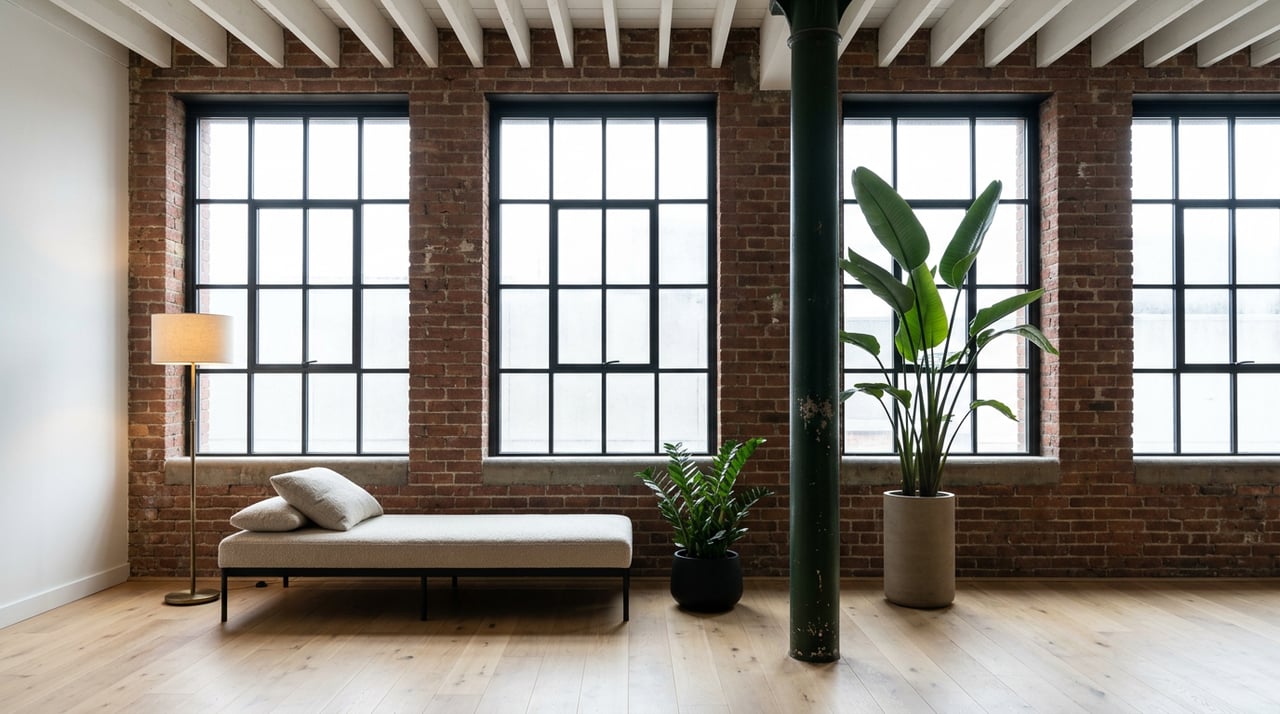
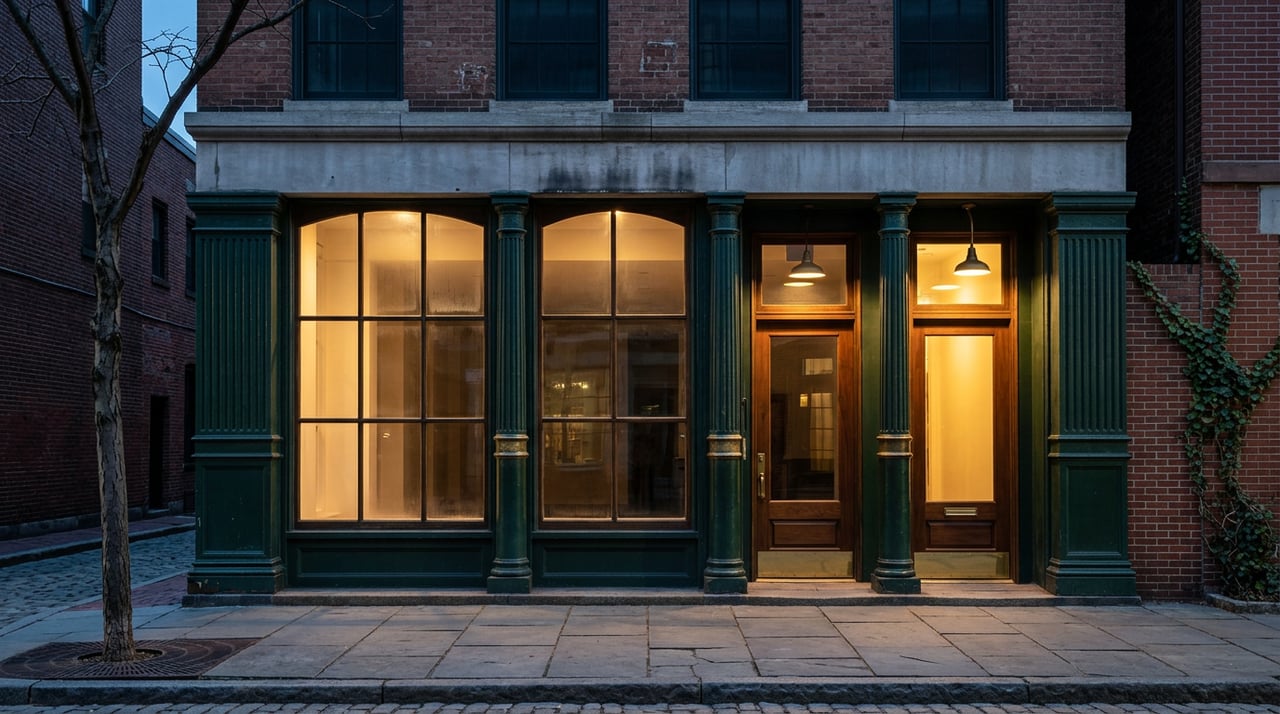
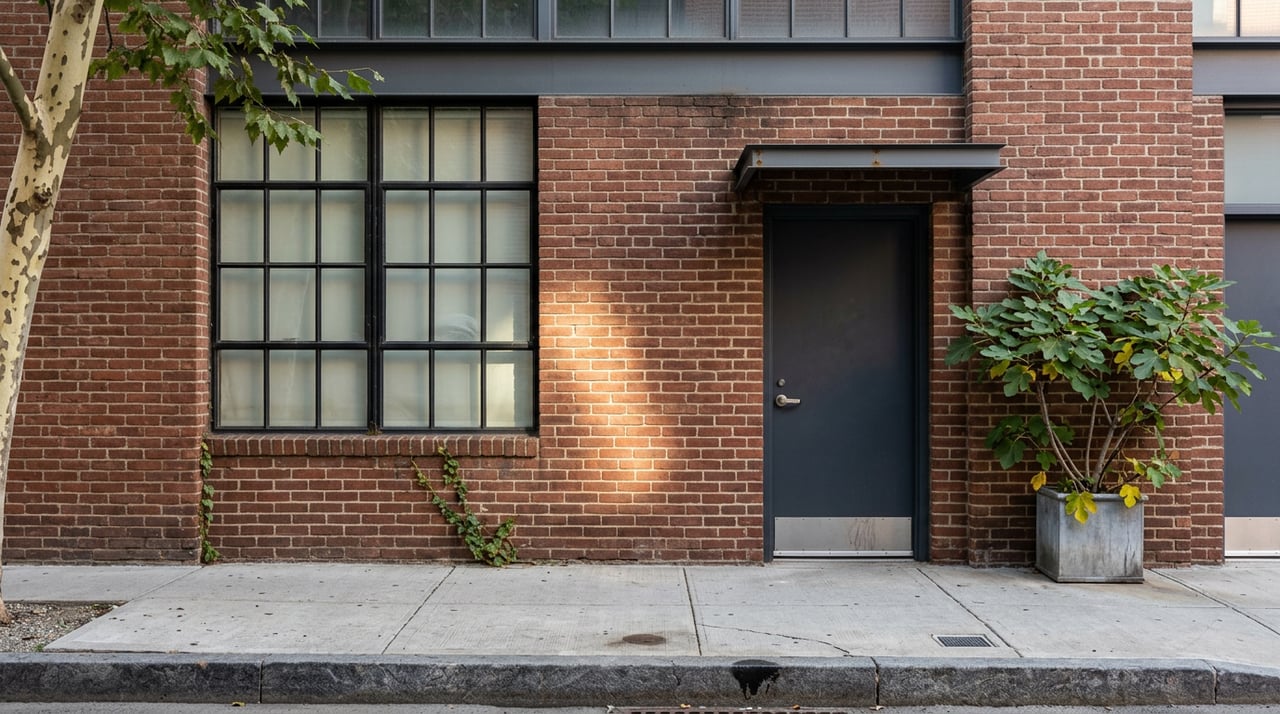
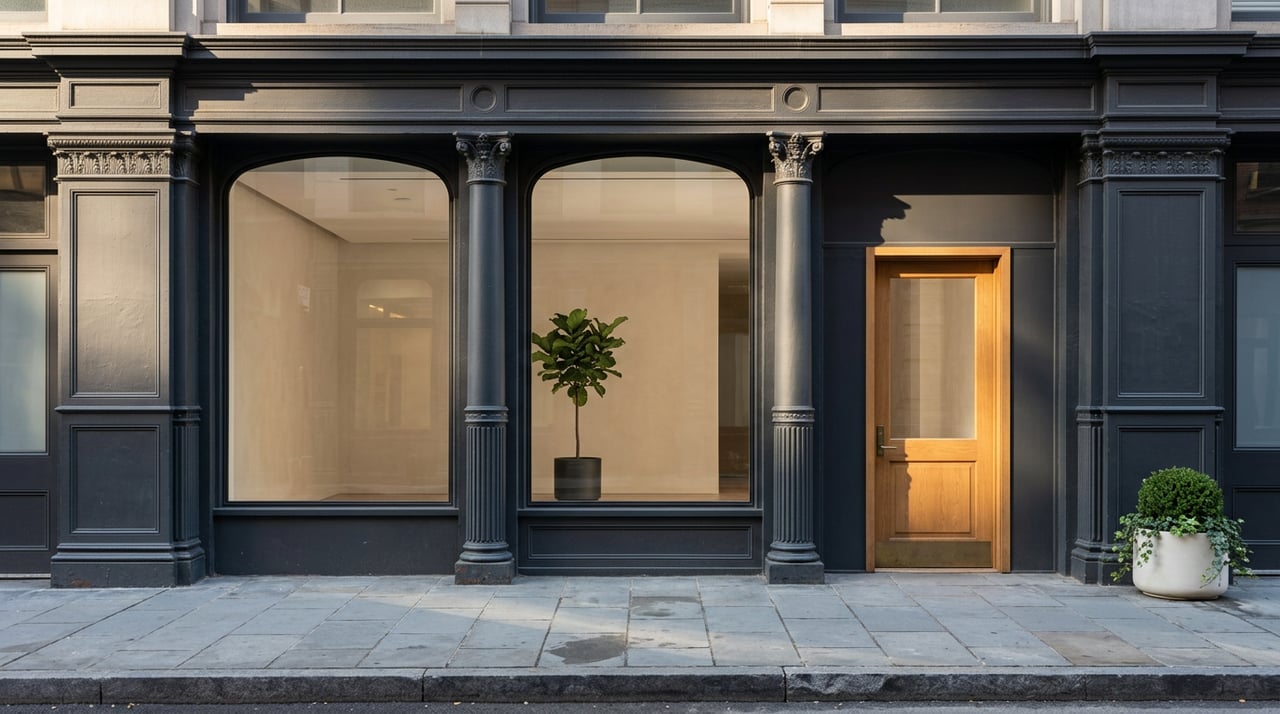
According to the Landmarks Preservation Commission’s Tribeca South Historic District Extension materials, the district includes predominantly five-story Italianate store-and-loft buildings from the 1850s, many with cast-iron and glass storefronts. Those large, open interiors were originally designed for storing and selling goods. Later, as residential use expanded in the 1970s and early 1980s, many of these buildings were converted into homes.
That history matters if you are thinking like a long-term owner. In Tribeca, many boutique condos offer something that is difficult to reproduce in a new high-rise: a home tied directly to the neighborhood’s architectural identity.
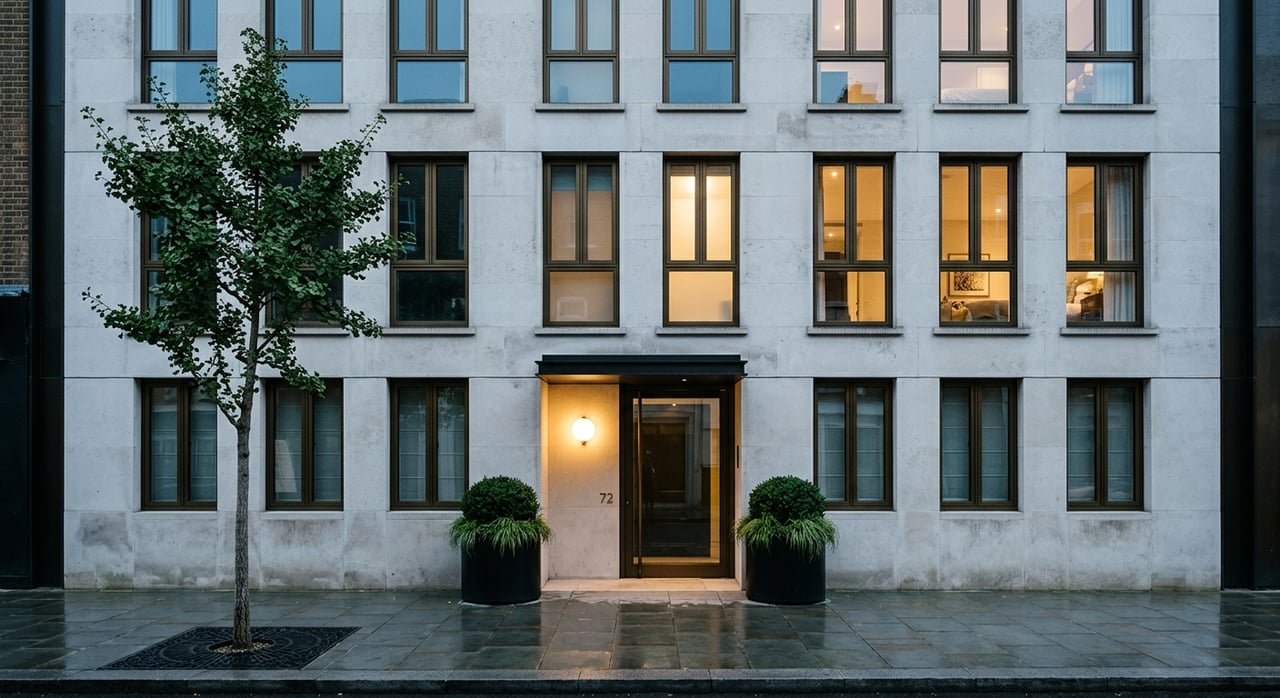
Long-term owners often want more than square footage. They want a property that feels rooted, memorable, and hard to duplicate. In Tribeca, boutique condos often check those boxes because they are tied to intact historic streetscapes and loft-style architecture.
The LPC describes the district as having special historical and aesthetic value, with a distinct sense of place created by its preserved streetscapes. In practical terms, that can translate into features buyers continue to value over time, such as loft-scale proportions, recognizable facades, and a building identity that feels specific to Tribeca rather than interchangeable with any luxury tower.
For some buyers, that sense of permanence supports long-term ownership. If you are buying with a five-to-ten-year horizon or longer, the appeal may come from living in a home that feels connected to the block, the building, and the neighborhood’s story.
Boutique condo living is also about scale. A smaller building often creates a different day-to-day ownership experience than a large full-service tower. That can appeal to buyers who value privacy, familiarity, and a quieter common-area environment.
As Fannie Mae explains in its condo buying guide, condo owners jointly own common areas and pay monthly fees that typically cover exterior repairs, common-area maintenance, utilities such as water, sewer, and trash, and in some cases reserve funding and amenities. In a boutique building, those shared costs are spread across fewer owners.
That trade-off can be a feature rather than a drawback for long-term owners. You may get fewer resort-style amenities, but you may also get a more intimate ownership structure and a building experience that feels less anonymous.
Boutique condos in Tribeca do not exist in a bargain market. Buyers here are making premium purchases, and the data shows that the neighborhood has remained in the city’s upper tier.
PropertyShark’s Tribeca market trends reported a median sale price of $3.8 million in January 2026, with a median price per square foot of $2,024 and 22 transactions. Condo sales specifically posted a $3.9 million median across 17 closings.
The longer view points in the same direction. In its 2019 report on New York City’s priciest neighborhoods, PropertyShark reported a Tribeca median sale price of $3.3 million. Prices move over time, but Tribeca has remained a premium market rather than moving in and out of the luxury segment.
That backdrop helps explain why buyers may be willing to pay for boutique inventory with strong design identity. In a neighborhood where pricing is already elevated, place-specific character can carry real weight in the decision-making process.
Market strength is not just about buildings. It is also about the kinds of households that buy and own there. Census tract profiles that approximate Tribeca show high owner-occupied housing values and high household incomes.
Census Reporter profiles for local tracts show median owner-occupied housing values of $2,000,001, median household incomes ranging from $202,542 to $250,001, and bachelor’s-degree attainment rates from 72.4% to 91.3% across relevant tracts. While that does not prove why any one person buys, it does help show why the neighborhood can sustain demand for expensive, design-forward condos.
For long-term owners, this matters because stable demand at the higher end often supports continued interest in distinctive housing stock. Buyers are not only comparing price tags. They are comparing quality, building identity, and how a home fits their lifestyle over time.
If you are deciding between a boutique Tribeca condo and a larger full-service building, the best comparison is not just old versus new. It is also about where your money goes and how you want to live.
Here is a simple side-by-side view:
| Consideration | Boutique Tribeca Condo | Full-Service Tower |
|---|---|---|
| Building scale | Smaller, lower density | Larger, higher density |
| Architectural feel | Often historic or loft-inspired | Often contemporary high-rise |
| Amenities | Typically more limited | Often broader amenity packages |
| Monthly fees | Shared across fewer owners | May support more staff and amenities |
| Ownership experience | More intimate and building-specific | More standardized and service-driven |
Neither option is automatically better. If you plan to own long term, the right fit often comes down to whether you prioritize architectural character and privacy or broader services and amenities.
A beautiful building is only part of the story. In any condo purchase, the ownership structure and building governance can have a direct effect on your experience after closing.
Fannie Mae notes that lenders review a condo community’s physical condition, financial stability, structural issues, lawsuits, and warrantability. It also highlights the importance of understanding fees, reserves, and the possibility of special assessments. Those are not small details, especially in a boutique building where the owner base is smaller.
For long-term owners, governance often matters as much as finishes. A well-run boutique condo can feel stable and predictable. A poorly run one can create avoidable friction over maintenance, planning, and future costs.
Another smart question is who actually owns and occupies the building. The New York City Comptroller notes that condos can be owner-occupied or rented, and many are also held as investments.
In its report on the city’s homeowner housing market, the NYC Comptroller found that 18% of condo units are LLC-owned citywide, compared with 21% in Manhattan. For you as a buyer, that means the occupancy mix in a building may shape the culture and feel of ownership more than the address alone.
If your goal is long-term ownership, it is worth paying attention to rental rules, board practices, and how the building operates in real life. A condo with a strong owner-occupant presence may feel different from one with a heavier investor profile.
In Tribeca, boutique condos can be compelling long-term homes, but they reward careful due diligence. Before you move forward, make sure you understand both the building’s charm and its operating fundamentals.
Key items to review include:
Fannie Mae’s condo guidance also recommends working with a real estate professional and, if needed, a real estate attorney. In a market like Tribeca, where architectural appeal and financial structure both matter, that support can help you evaluate the full picture with more confidence.
The lasting appeal of boutique Tribeca condos comes down to a simple idea: they offer something hard to replicate. The neighborhood’s industrial-reuse history, preserved architecture, and lower-density condo options create a product that often feels more specific and more enduring than a standard luxury apartment.
That does not mean every boutique condo is the right choice for every buyer. It does mean that if you value character, privacy, and a home with a strong sense of place, these properties can make a lot of sense for long-term ownership.
If you want help comparing boutique Tribeca condos, evaluating building fundamentals, or narrowing your search in Manhattan, connect with The Heard | Khedr Team. You will get a high-touch, data-informed approach built around your goals.
Stay up to date on the latest real estate trends.
Get In Touch With Our Team To Learn More
Heema Khedr
110 Fifth Avenue, Floor 7 New York NY 10011