How to Sell a West Village Townhouse or Walk-Up
April 23, 2026
April 23, 2026
If you are selling a West Village townhouse or walk-up, you are not just listing square footage. You are bringing a very specific kind of New York property to market, often in a neighborhood where architecture, block-by-block pricing, and landmark rules all shape buyer expectations. The good news is that with the right strategy, you can present your home in a way that highlights its character, supports its value, and helps buyers understand exactly what makes it stand out. Let’s dive in.
In the West Village and Greenwich Village, a townhouse and a walk-up apartment may sit on the same charming block, but they are not sold the same way. New York City’s Department of Finance classifies town houses separately from walk-up apartment buildings and elevator buildings, which reflects a real difference in product type and buyer mindset. You can review those building classifications through NYC Finance.
A townhouse sale usually centers on privacy, scale, outdoor access, and the experience of owning multiple levels. A walk-up sale usually depends more on layout, light, ceiling height, prewar character, and location value. When your marketing matches the actual strengths of the property type, buyers can connect with the home faster and more clearly.
The West Village sits within a neighborhood where preservation is part of the market story. According to the Landmarks Preservation Commission, the Greenwich Village Historic District was designated on April 29, 1969, includes more than 2,000 buildings across 65 blocks, and remains the largest historic district in New York City.
That matters because designated buildings in historic districts are protected under the Landmarks Law, and covered changes generally require LPC review and approval. For sellers, this does not mean your property is harder to sell. It means buyers are often evaluating both the beauty of the home and the clarity of what has been changed, preserved, or approved.
Not automatically. The LPC notes that landmark designation does not freeze a building or area, but it does require review for covered work.
In practice, many buyers see landmark status as part of the property’s authenticity and long-term neighborhood character. The key is to describe it accurately, avoid overpromising about what can be altered, and confirm whether the address is landmarked or located within a historic district using the LPC maps and designation tools.
Broad neighborhood averages can be useful for context, but they are not enough to price a West Village townhouse or walk-up correctly. As of March 2026, PropertyShark reported a median home sale price of $1.3M in the West Village, with a median price per square foot of $1,781. In Greenwich Village, the median was $1.5M with a median price per square foot of $1,769.
Those figures are helpful, but they can hide major differences between property types. In the same West Village snapshot, condos posted a median sale price of $2.8M and co-ops came in at $1.1M, while house data were too limited to be statistically significant. That thin sample is exactly why townhouse pricing in the West Village tends to be highly comp-sensitive.
A small market can also swing sharply from month to month. In the January 2026 West Village snapshot, PropertyShark recorded only three house sales and a median house price of $7.3M, which shows how quickly limited inventory can distort broad averages.
You should expect pricing to rely heavily on:
StreetEasy also shows that nearby submarkets do not always move in sync. On its West Village neighborhood page, the surrounding areas show different median sale levels, and StreetEasy’s September 2025 citywide update noted that 38% of homes in West Village sold above asking versus 28% in Greenwich Village. For sellers, that is another reason a hyper-local pricing strategy matters.
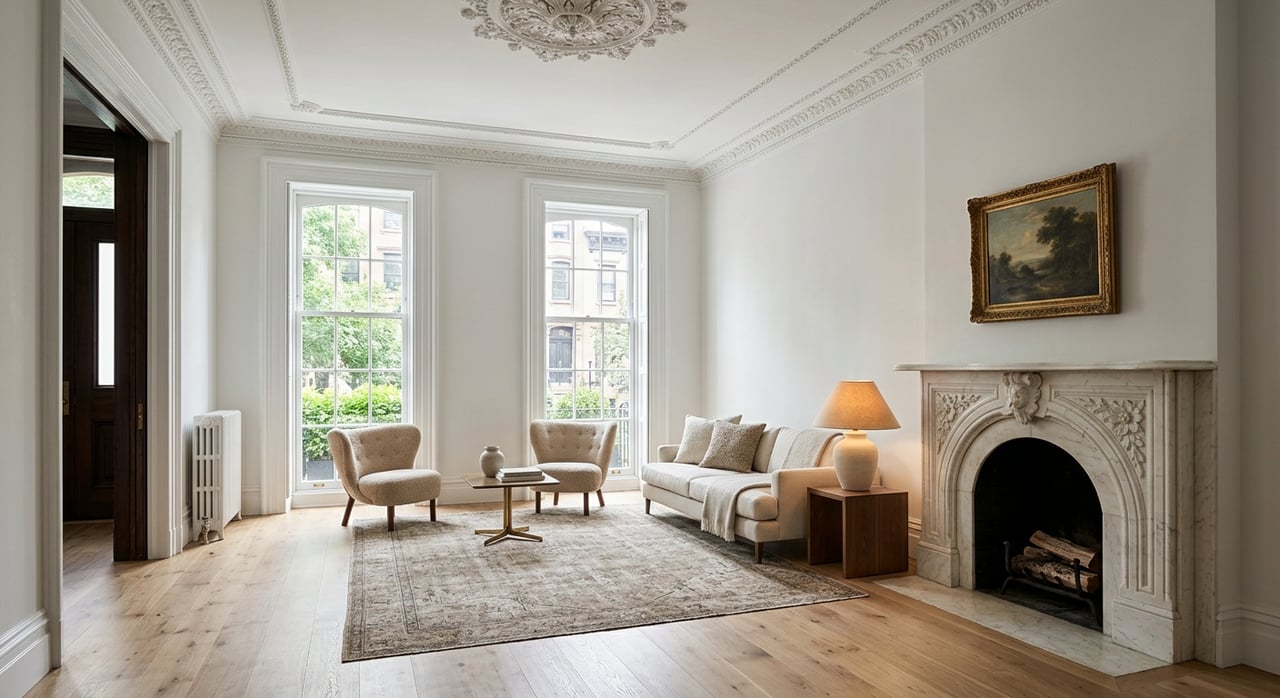
In a neighborhood known for older building stock and preserved architecture, the goal is not to make your home look generic. The goal is to make its character feel intentional, calm, and easy to understand.
That approach is supported by current staging data. The National Association of Realtors 2025 Profile of Home Staging found that 29% of agents said staging increased dollar value offered by 1% to 10%, 49% said staging reduced time on market, and 83% of buyers’ agents said staging made it easier for buyers to visualize the home.
NAR also found that the living room, primary bedroom, and kitchen were the most important rooms to stage. For a West Village property, that means focusing your effort where buyers are most likely to form their emotional impression.
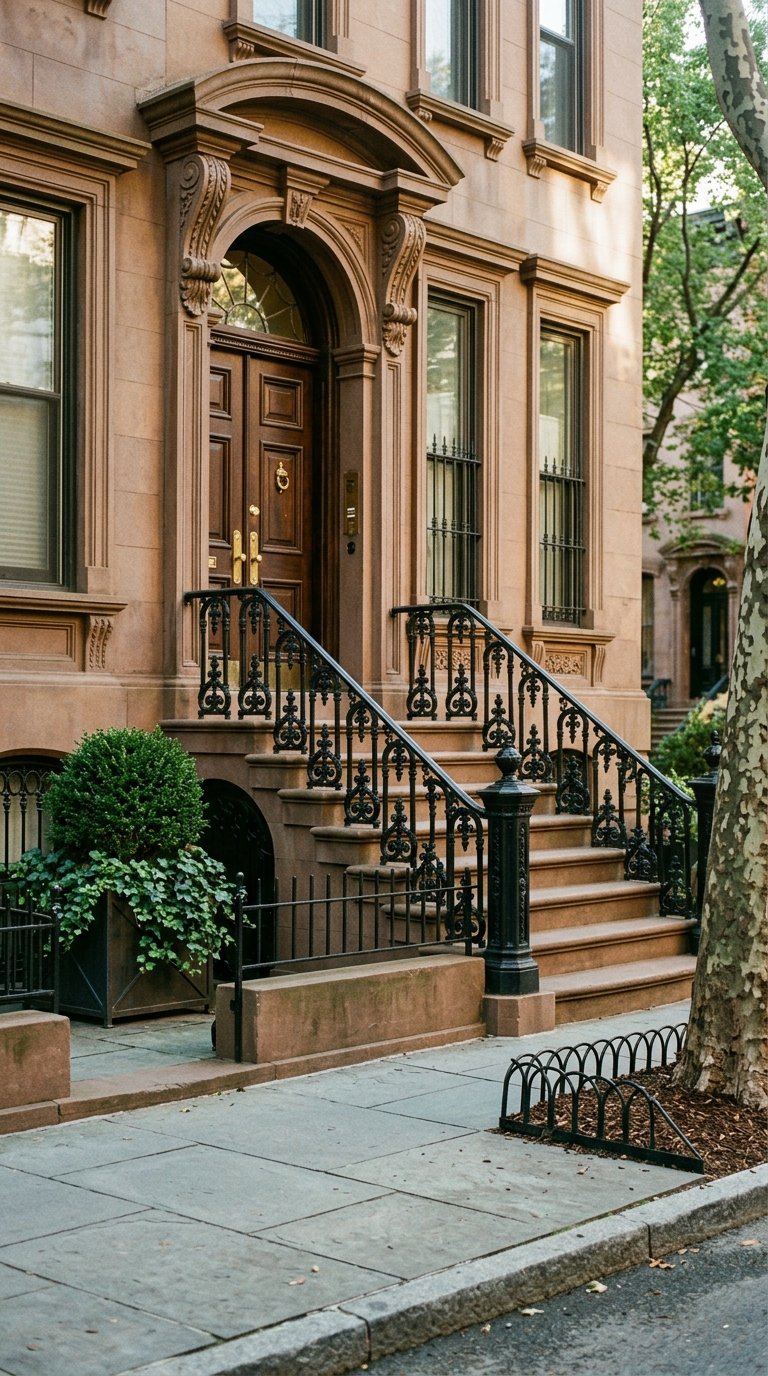
For a townhouse, buyers are often drawn to qualities that feel hard to replicate elsewhere in Manhattan. Your presentation should support those strengths.
Focus on:
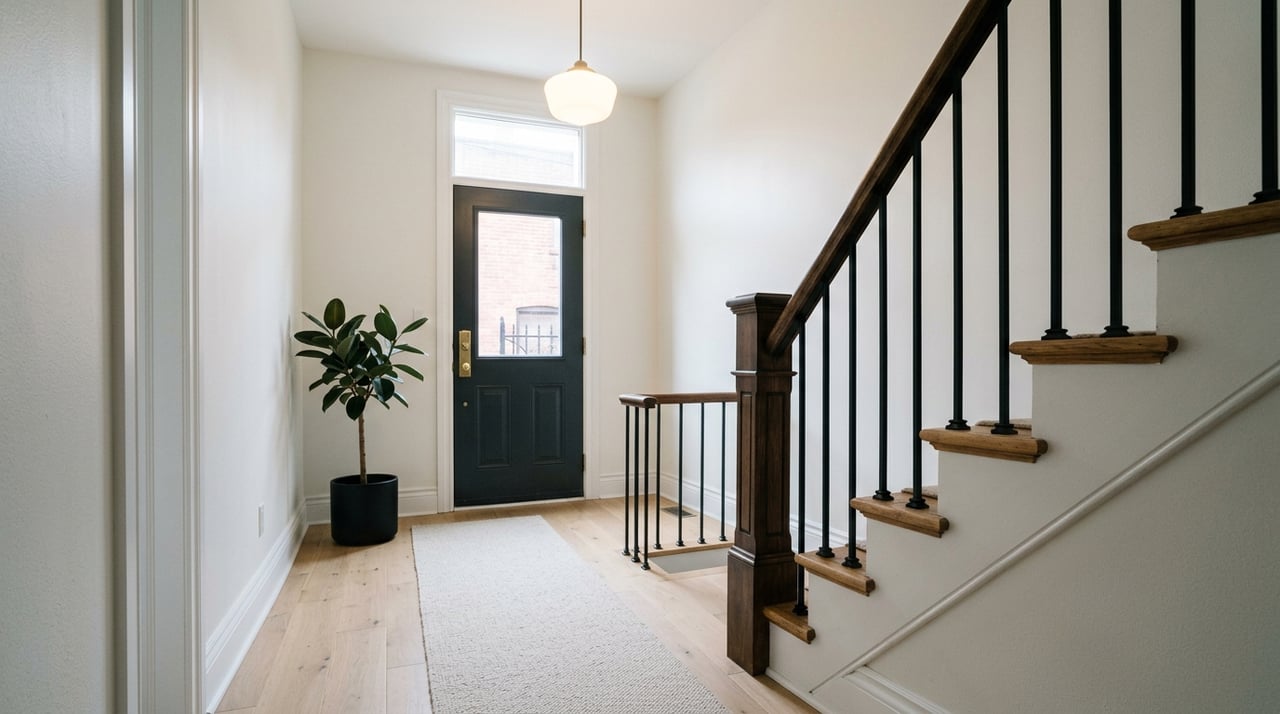
With a walk-up, the apartment is only part of the experience. Buyers also notice the trip upstairs, the light along the way, and the condition of the shared approach.
In common NYC usage, a walk-up means there is no elevator in the building. That makes first impressions especially important. Stairwell condition, lighting, landings, and handrails can all affect how a buyer feels before they even step through the apartment door.
Inside the unit, emphasize:
Sometimes, but only when the work is practical, approval-safe, and likely to show up clearly in photos and buyer tours. In historic districts, visible exterior changes and some other covered work may require review, so it is smart to be cautious before taking on projects late in the selling process.
The LPC offers technical resources for rowhouses, windows, barrier-free access, and sustainability work, which is a useful reminder that preservation context matters. In many cases, cleaning, repairing, painting, lighting upgrades, and careful staging do more for marketability than a rushed renovation.
The best marketing for a West Village listing is specific. Generic language tends to blur together, while local detail gives buyers a stronger reason to remember your home.
StreetEasy describes the West Village as one of the city’s most sought-after neighborhoods, with older building stock, a dense amenity base, and a village-like feel. The LPC’s historic district materials also frame the area as a preserved neighborhood whose special character has been shaped over time through regulation and stewardship.
That combination creates a strong foundation for listing strategy. You are not only selling rooms and finishes. You are selling a lifestyle tied to architecture, block identity, and the feeling of a distinctly preserved part of Manhattan.
Townhouse buyers often respond to a story built around:
Walk-up buyers often respond to a story built around:
If the stairs are a drawback for some buyers, clear disclosure is usually better than trying to minimize it. A direct presentation helps attract the right audience and keeps the conversation focused on what the home offers in return.
Selling in the West Village is rarely about using a generic Manhattan playbook. It is about understanding what kind of property you have, how the block affects value, what preservation context matters, and how buyers will experience the home from the street to the final showing.
That is where a high-touch, data-driven strategy can make a real difference. From pricing against the right nearby comps to shaping the visual story and preparing a property for market, the details matter more here than in many other neighborhoods.
If you are thinking about selling a townhouse or walk-up in Greenwich Village or the West Village, The Heard | Khedr Team can help you build a tailored plan around your property, your timing, and the realities of this highly specific downtown market.
Stay up to date on the latest real estate trends.
Get In Touch With Our Team To Learn More

Heema Khedr
110 Fifth Avenue, Floor 7 New York NY 10011