Guide to Buying a SoHo Loft in a Historic Cast-Iron Building
April 16, 2026
April 16, 2026
If you are thinking about buying a SoHo loft, the cast-iron building itself is part of what you are buying. In this part of Manhattan, your decision is not just about square footage or finishes. It is also about historic architecture, legal use, building systems, and what it takes to own space in one of New York’s most distinctive loft environments. This guide will help you understand what sets a SoHo cast-iron loft apart, what to review before you make an offer, and how to approach the process with confidence. Let’s dive in.
SoHo’s historic building stock stands out even in New York City. According to the SoHo-Cast Iron Historic District designation report, the neighborhood contains the largest concentration of full and partial cast-iron facades in the world.
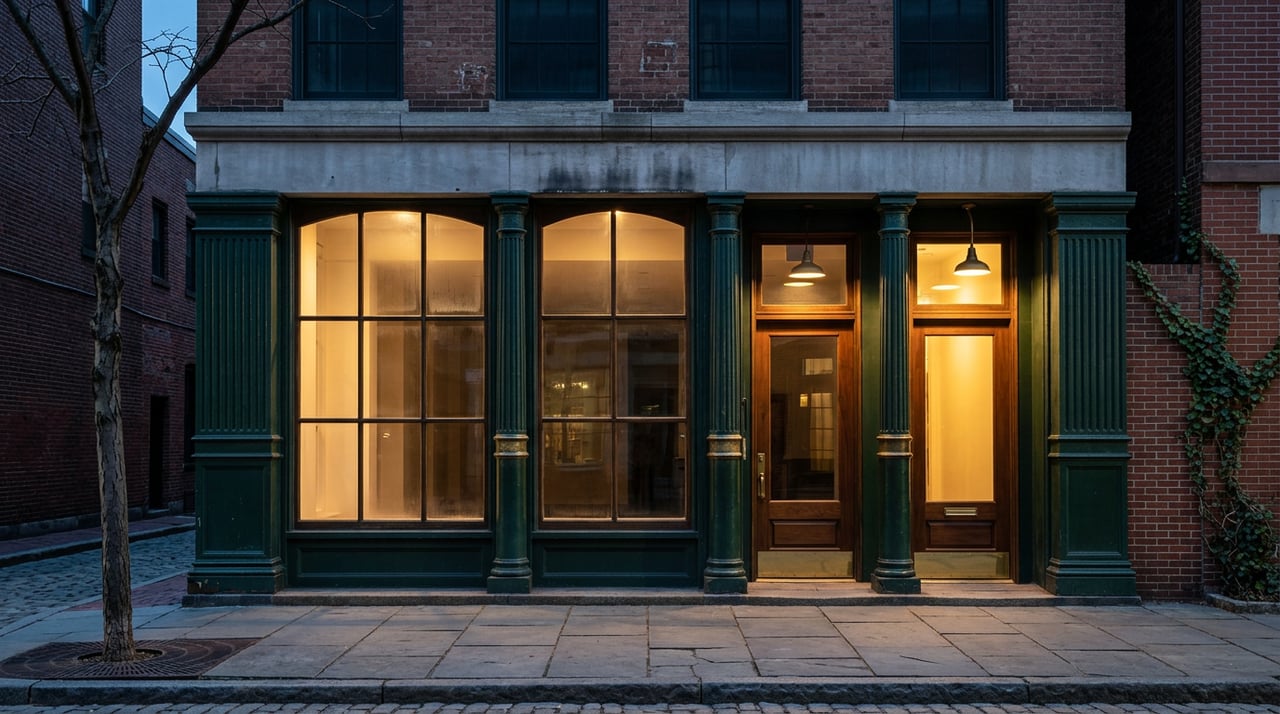
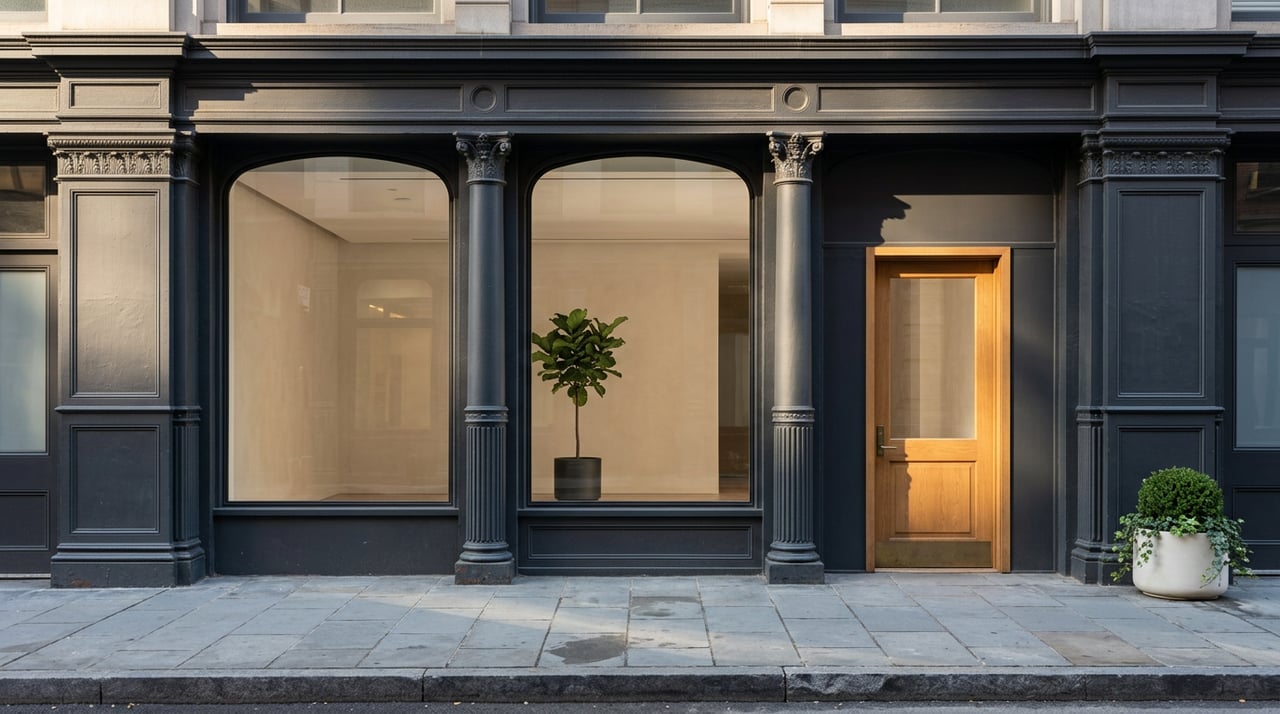
Most of these buildings date to the post-Civil War store-and-loft era. The area’s historic core is known for narrow lots, high lot coverage, and buildings that are typically five to seven stories tall, often built right up to the sidewalk. You will often see arched windows, decorative cornices, and detailed facades that give these properties their signature look.
One important point for buyers is that “cast iron” usually refers to the facade or storefront system, not the entire structure. The same designation report explains that many buildings combine cast-iron fronts with masonry bearing walls and other structural elements behind them. That distinction matters when you evaluate renovation plans, maintenance needs, and the building’s long-term condition.
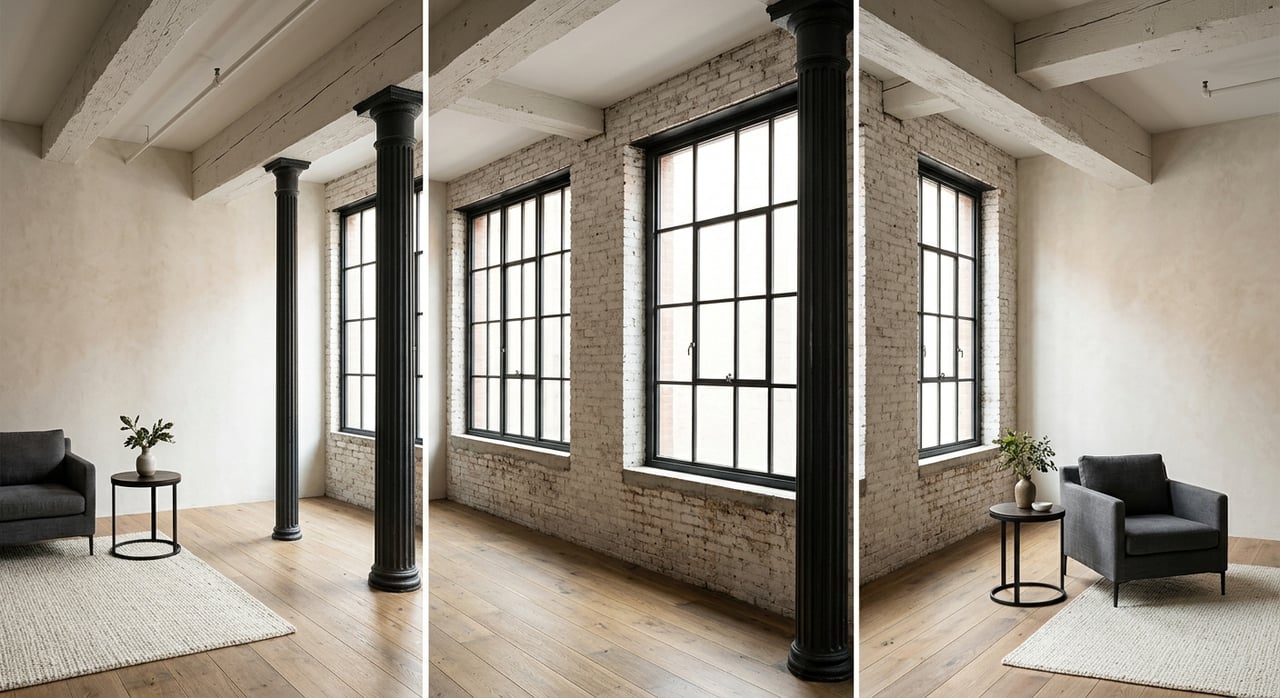
SoHo lofts were originally designed for warehouse and commercial use, so openness was the goal. The historic structural system often used interior cast-iron columns to support beams and joists, with spans that commonly ranged from 12 to 25 feet, according to the LPC report.
That original design logic is a big reason these homes feel so different from standard condos. Instead of a compact, room-by-room layout, you may find a broad floor-through space, a long footprint, or fewer fixed partitions than you expect.
Published SoHo loft case studies also show how dramatic these proportions can be. One SoHo loft featured by Architect Magazine was designed as a continuously open floor-through space with light wells and skylights, while another Crosby Street loft was described with a 120-foot brick wall, iron columns, mezzanine space, and 14-foot ceilings.
For you as a buyer, that means flexibility can be a major advantage. It also means you should not assume a conventional bedroom count or room flow from the listing description alone. The actual floor plan, the building’s legal framework, and the feasibility of any changes matter just as much as the aesthetic appeal.
Light is one of the defining features of a classic SoHo loft. The LPC report notes that cast-iron storefronts allowed larger show windows than masonry construction typically did, and that these facades often used wide bays and open compositions that helped bring in more sunlight.
In practical terms, you may see tall vertical windows, arched upper-floor openings, and expansive storefront glazing at street level. Inside, many well-preserved or thoughtfully renovated lofts highlight exposed columns, brick walls, high ceilings, and layouts that rely on daylight instead of long interior corridors.
Some renovated spaces also include later additions like mezzanines, custom glazing, or skylights to make the volume more functional. These features can be appealing, but they should still be reviewed in the context of the building’s approvals, alteration history, and legal use.
In SoHo, architecture is only part of the story. Legal occupancy and zoning can have a major impact on what you are actually buying.
The City Council approved the SoHo/NoHo Neighborhood Plan on December 15, 2021, creating the Special SoHo-NoHo Mixed Use District. According to NYC Department of Buildings guidance, existing JLWQA use may continue, but conversions to JLWQA after that date are prohibited.
That means you should verify the status of the specific unit and building rather than making assumptions based on location or marketing language. DOB also explains that if a building was an IMD under the Loft Law and completed the Loft Law process with a final residential certificate of occupancy, it may continue as residential use without artist certification.
The key takeaway is simple: every SoHo loft should be reviewed on its own facts. A beautiful loft with landmark character can still require careful legal due diligence before you move forward.
One of the most useful tools for buyers is the Buildings Information System, which DOB says provides real-time property profile data. This can include special district information, restrictions, loft-law details, and certificate-of-occupancy processing.
DOB also advises buyers to look up the building’s certificate of occupancy on its website. If a building is exempt from the CO requirement, it may be possible to request a Letter of No Objection, depending on the circumstances.
Before making an offer, you will want to confirm:
This is one of the most important parts of buying in SoHo because the neighborhood’s loft history is more layered than many buyers realize.
If you are hoping to renovate, combine spaces, replace windows, or alter exterior elements, landmark rules need to be part of your planning from the start. Because SoHo is a historic district, the Landmarks Preservation Commission requires approval for alterations, reconstruction, demolition, or new construction affecting a landmarked property or a building within a historic district before work begins.
This does not mean renovations are impossible. It does mean your budget, timing, and design plans should account for review and approvals. For many buyers, that is a manageable part of the process, but it should be understood early, not discovered after contract signing.
If you are buying a loft for customization, it can be smart to ask detailed questions about prior alterations and what future work may require LPC review. In these buildings, the historic shell is often a big part of the value, and it also shapes what can be changed.
Older loft buildings can come with special opportunities and special risks. The New York Attorney General’s consumer guidance advises buyers to read the entire offering plan and consult an attorney before signing a purchase agreement.
That same guidance notes that board minutes and financial reports in existing buildings can reveal defects, repair plans, and the likely cost of major work. This is especially important in older buildings, where major expenses may involve facade repairs, roof work, elevator repairs, plumbing and electrical upgrades, boiler replacement, or larger cosmetic overhauls.
In a SoHo cast-iron building, these issues deserve close attention because the facade itself is part of the building’s character and because aging systems can lead to future assessments.
Here is a practical pre-offer checklist:
This kind of due diligence can help you separate a truly compelling loft opportunity from a property that may carry more complexity than you want.
If you are deciding between a SoHo cast-iron loft and a newer condo, the difference often comes down to character versus standardization. Historic lofts tend to offer larger, more flexible volumes and more distinctive building details, while newer condos often deliver more predictable layouts and a clearly defined sponsor package.
The tradeoff is that older loft purchases can require more investigation. As the Attorney General’s guidance makes clear, older buildings may involve questions about repairs, reserves, and capital work that deserve careful review.
That does not make one option better than the other. It simply means the right choice depends on what matters most to you. If you value history, scale, light, and the feel of a true loft, SoHo’s cast-iron buildings can offer something hard to replicate elsewhere in Manhattan.
A SoHo loft can be a remarkable home, but it is rarely a plug-and-play purchase. You are balancing architecture, layout flexibility, legal use, historic-district rules, and building-level due diligence all at once.
That is why a clear buying strategy matters. When you understand what makes these buildings special and what needs to be verified before contract, you can pursue the character you want without losing sight of the practical details.
If you are considering a SoHo loft and want guidance tailored to your goals, the The Heard | Khedr Team offers a high-touch, informed approach to navigating complex Manhattan purchases.
Stay up to date on the latest real estate trends.



Get In Touch With Our Team To Learn More

Heema Khedr
110 Fifth Avenue, Floor 7 New York NY 10011