
From Consultation to Closing on the Upper East Side
February 19, 2026
February 19, 2026
Selling on the Upper East Side calls for precision. Prices often sit above key tax thresholds, and co-op rules can add weeks if you are not prepared. If you want the best price without surprises, you need a clear roadmap from your first consultation to the closing table.
In this guide, you will learn the step‑by‑step timeline, how co-ops and condos differ, the closing costs that shape your net proceeds, and where targeted prep and marketing make the biggest impact. You will also see how Compass tools like Concierge and Private Exclusives can support your goals. Let’s dive in.
The Upper East Side’s median sale price typically sits in the low-to-mid seven figures, with recent neighborhood medians near the 1.5 to 1.6 million range. That level can trigger higher tax tiers and different closing-cost math, so planning matters. You should price to your building and floor plan, not broad borough averages. Use same-line and same-layout comps to fine-tune value and speed.
For reference on overall price context, review the neighborhood snapshot for current medians on the Upper East Side as a baseline from Redfin’s market page. Then rely on your agent’s comparative market analysis to set a list price that meets your timeline and net goals.
Your first meeting should cover valuation, timing, and strategy. You will review local comps, discuss a target list price, and map your priorities like speed, privacy, and net proceeds. You will also decide whether to phase marketing with private previews before going fully public. If you are selling a co-op, talk through buyer qualification standards early so you can set realistic expectations.
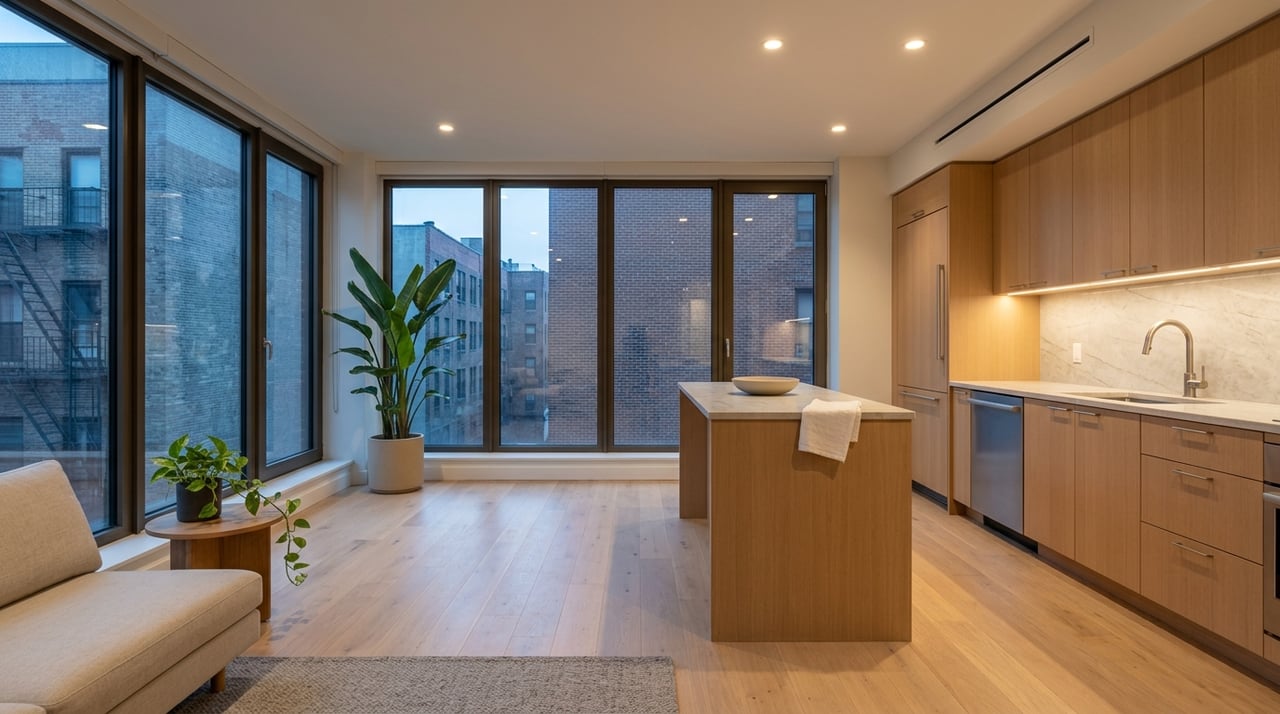
Small upgrades and a clean, neutral look drive showings on the UES. Typical tasks include decluttering, paint, deep cleaning, minor repairs, floor refinishing, targeted staging, professional photos, and accurate floor plans. According to the National Association of REALTORS® home staging report, staging helps buyers visualize a home and often reduces days on market. Focus on the living room, primary bedroom, and kitchen for the highest impact.
If you want to improve presentation without upfront costs, consider Compass Concierge. Concierge can front eligible pre-sale costs for items like paint, floors, and staging, with repayment at closing or per stated program terms. It is best for targeted cosmetic updates that elevate photos and first impressions. Confirm local eligibility and repayment details with your agent before you start.
A strong Upper East Side launch often follows a phased plan. Start with agent-to-agent previews or a controlled pre-market window, then go public with full listing distribution and a media kit that includes professional photos, floor plans, and, when helpful, a 3D tour. If privacy is important, Compass offers Private Exclusives that limit public exposure while reaching a curated buyer pool. Your agent will help you weigh exposure against discretion and timing.
If your price and presentation align with demand, you can often see strong traffic right away and first offers in the first one to four weeks. Your agent should evaluate each offer’s net proceeds, timelines, contingencies, and buyer strength. Cash and fully underwritten financed buyers can shorten risk and improve certainty. Align closing dates with your move and with co-op or lender milestones.
Once you accept an offer, the buyer signs the contract and delivers a contract deposit that is typically about 10 percent of the purchase price. The deposit sits in escrow and is applied at closing. You and the buyer’s attorneys will coordinate wiring instructions and next steps as diligence and loan processes begin. You can review deposit norms in StreetEasy’s NYC buyer guide.
Co-op closings often run 6 to 12+ weeks from contract because the buyer must be approved by the board. The buyer assembles a detailed package that can include financial statements, tax returns, bank records, and reference letters. Boards review, request clarifications, then schedule an interview before issuing a decision. Build buffer time for back-and-forth on documents and scheduling. For a practical timeline overview, see this NYC co-op closing timeline, and review your building’s transfer instructions with your agent and attorney.
Condos do not require a board interview, so closings are usually faster, commonly 30 to 60 days depending on lender and title timing. Sponsor sales can shift certain taxes or fees by contract, so read terms closely. For a plain-English overview of closing steps, refer to StreetEasy’s closing-cost primer.
For condos and townhouses, the deed is recorded with the city. For co-ops, the transfer agent updates the share ledger and proprietary lease. Attorneys coordinate final payoffs, tax filings, funds by wire, and title or recording. Your role is to have building documents and wiring details ready so funds can be disbursed without delays.
Broker commissions have historically been the largest single seller cost, often in the mid-single to mid‑single digit range combined, and they remain negotiable. Commission practices have been evolving after the 2024 settlement, so confirm the structure for your sale with your agent. For context on these industry changes, see coverage of the NAR settlement.
Most NYC sales incur the city Real Property Transfer Tax. For individual condo or co-op unit sales, the rate is 1 percent at or below 500,000 and 1.425 percent above 500,000, generally paid by the seller unless the contract states otherwise. Review details on the NYC Department of Finance RPTT page.
New York State also charges a 0.4 percent transfer tax. In addition, a state “mansion tax” applies to residential sales of 1,000,000 or more, and it is typically paid by the buyer. For official guidance and rate tiers, see New York State’s transfer tax resources.
Many Upper East Side co-ops charge a building-imposed flip tax. Formulas vary by building and can be based on sale price, profit, per-share fees, or years owned. Because the impact can be significant, read your proprietary lease and house rules early and confirm calculations with your managing agent. For examples of how these fees are structured, review this co-op flip tax guide.
Expect attorney fees, managing-agent or transfer fees, move-out fees, and any mortgage payoff and bank charges. A realistic total closing-cost range for sellers, including commission and any flip tax, can land in the single-digit to low double-digit percentage range of the sale price depending on your building and terms. For a helpful overview, see StreetEasy’s closing-cost overview. Always ask your agent for a detailed net-proceeds worksheet before you list.
If you want a clean, confident sale that fits your timing, partner with a team that knows Upper East Side buildings and buyer expectations. From pricing and Concierge upgrades to private previews and board management, we will guide you end to end. Have questions or want a custom net sheet for your apartment? Connect with The Heard | Khedr Team to get started.
Stay up to date on the latest real estate trends.








Get In Touch With Our Team To Learn More

Heema Khedr
110 Fifth Avenue, Floor 7 New York NY 10011