Are you drawn to ornate crown moldings and herringbone floors, or do you prefer clean lines and open plans? In the West Village, you can have either style, and sometimes both in the same home. If you are buying or selling here, knowing how prewar and postwar finishes differ can help you make smarter choices, plan renovations, and market your property with confidence. This guide breaks down what to expect, how finishes impact value perceptions, and the key approvals that shape what you can change. Let’s dive in.
Prewar finishes: what you’ll see in the West Village
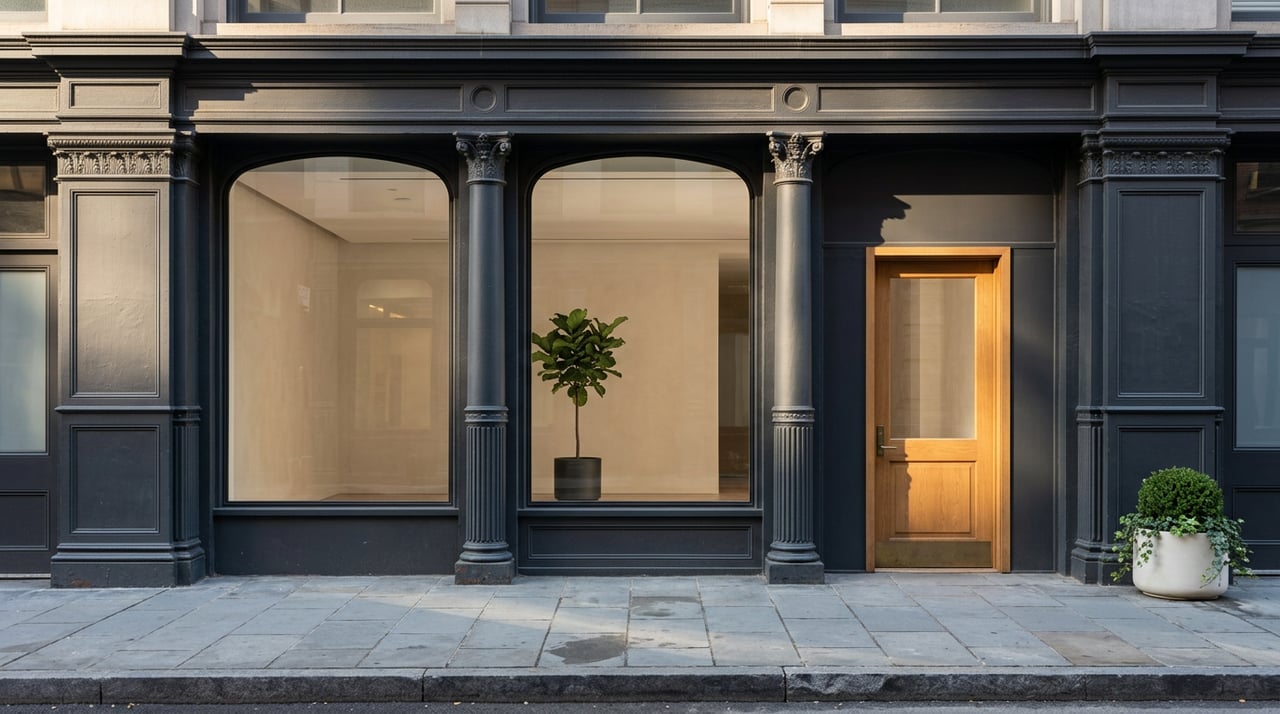
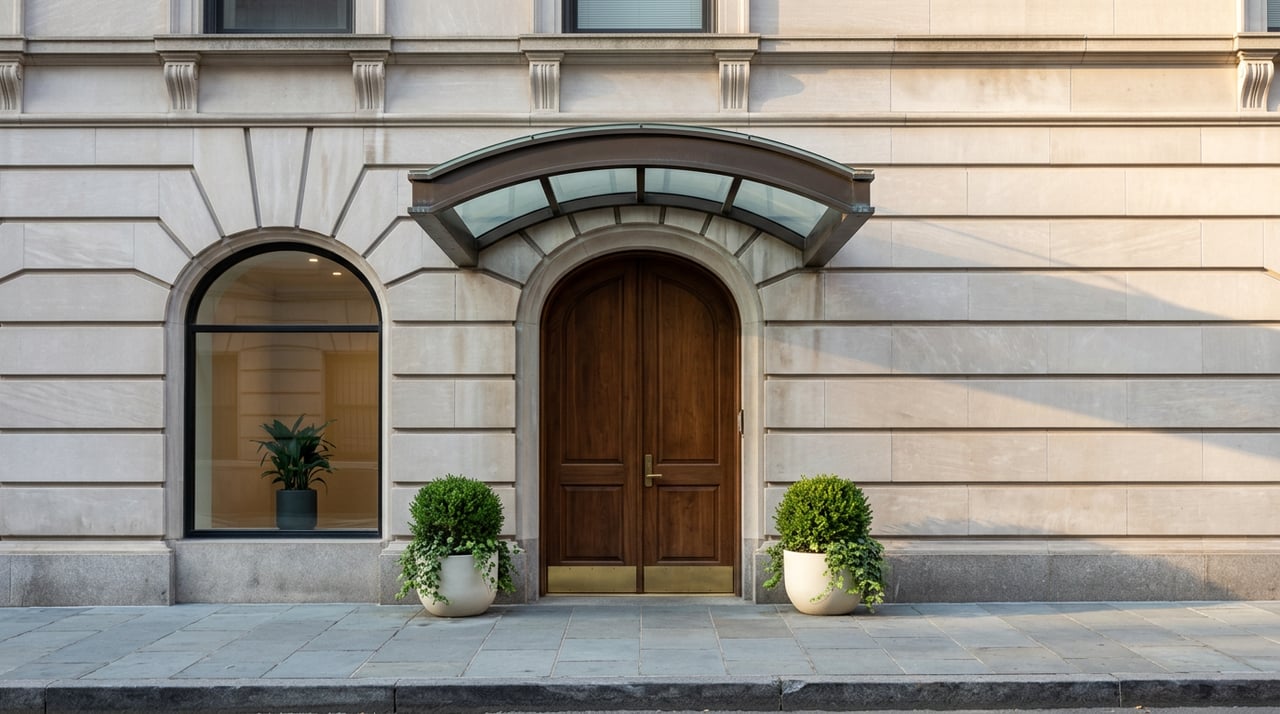
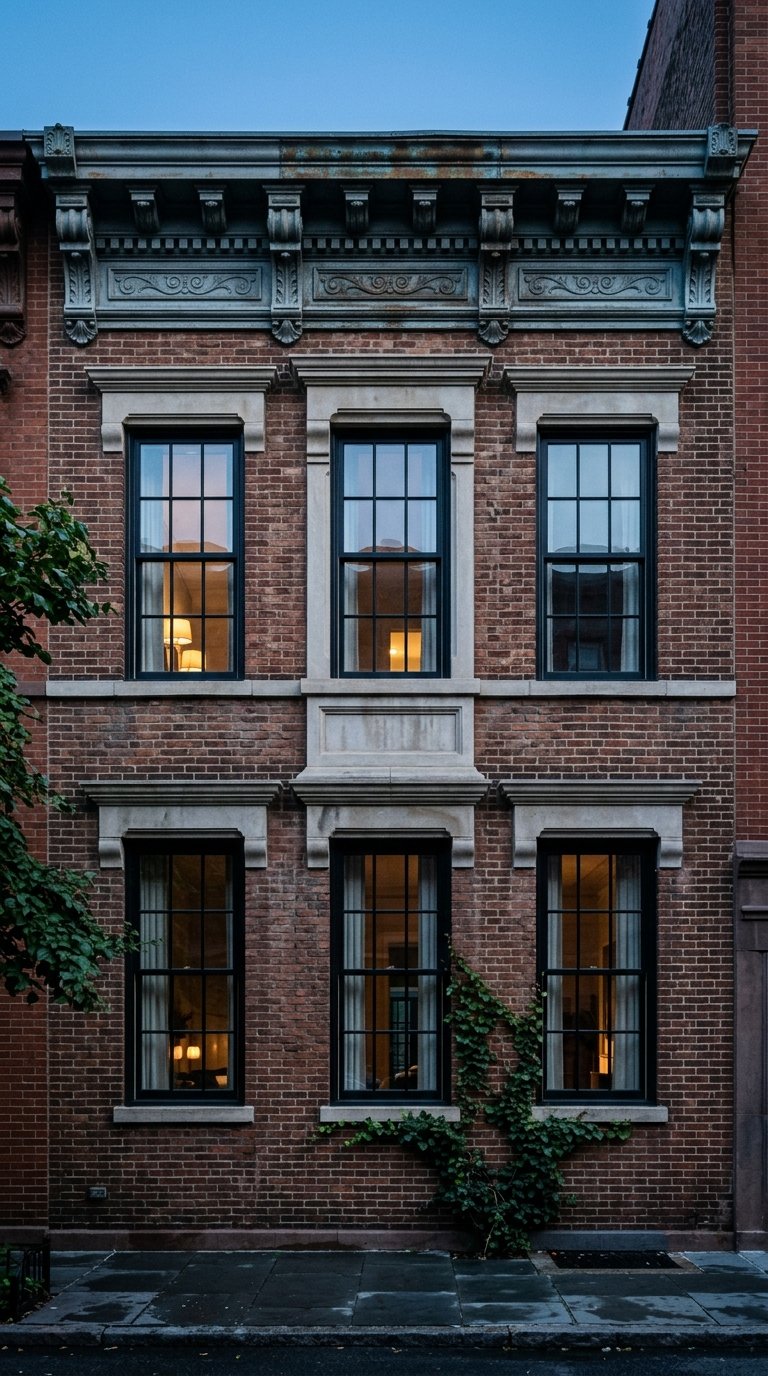
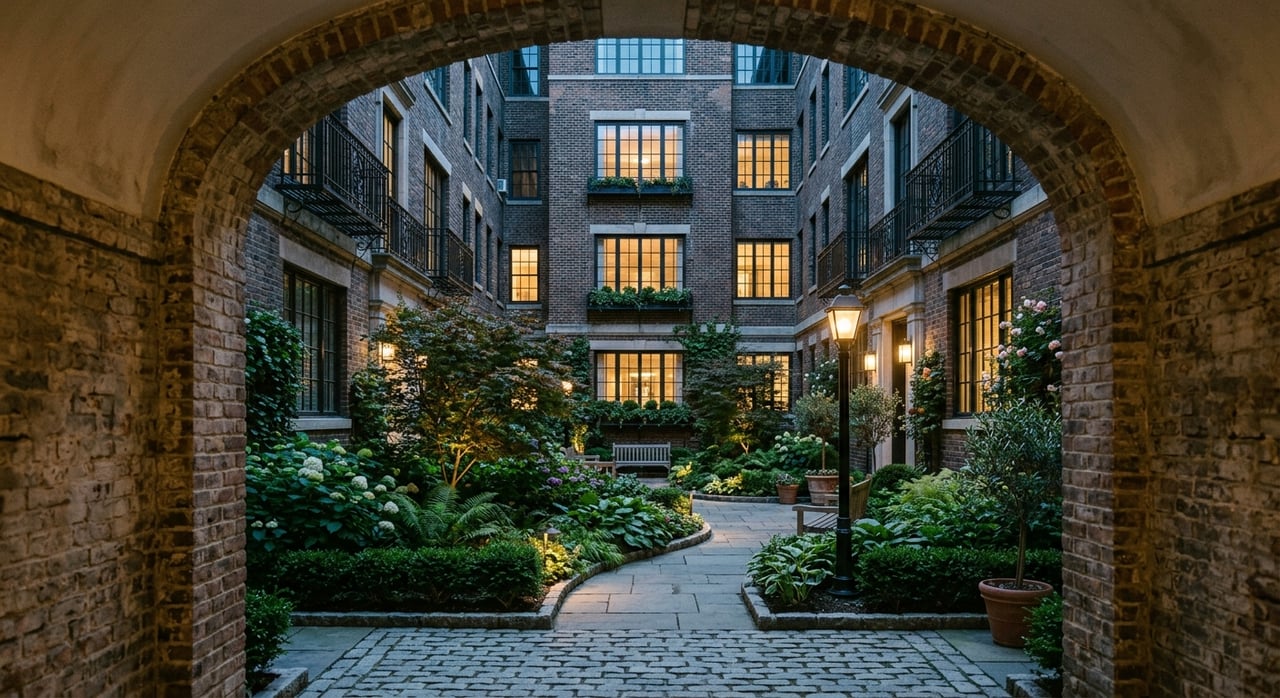
Prewar buildings define much of the West Village streetscape. You’ll find brownstone rowhouses, walk-up townhouses, Beaux-Arts style co-ops, and loft conversions from former industrial buildings. Many sit within the Greenwich Village Historic District or are individually landmarked, which affects exterior changes and sometimes notable interiors.
Architectural character
- Tall ceilings are common, often 9 to 12 feet or higher in townhouses and some prewar apartments.
- Floor plans usually favor formal rooms. Living, dining, and den or library spaces are distinct rather than open.
- Thick masonry walls create deeper window sills and quieter interiors. Circulation feels defined and separate from living spaces.
Signature finish elements
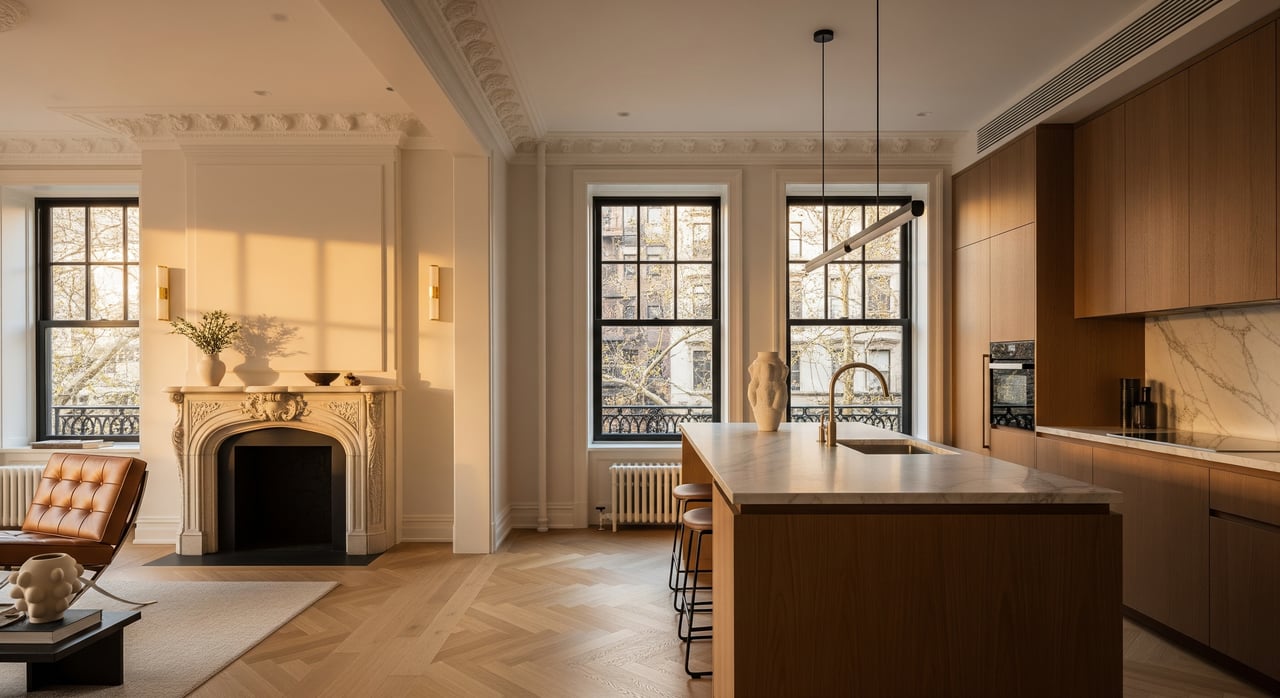
- Original millwork like crown moldings, picture rails, wainscot, paneled doors, and built-ins adds texture and depth.
- Plaster walls and ornamental details remain in many homes. These differ from the drywall found in most newer buildings.
- Flooring often includes classic parquet, herringbone, or straight-laid narrow planks in oak or maple.
- Fireplaces with decorative mantels appear in some units, sometimes functioning, sometimes decorative.
- Double-hung wood sash windows are typical. In landmarked areas, replacements often must replicate the originals.
Systems and mechanics
- Radiators are common and visible. Many buildings use steam or central plant systems that influence where you can place furniture and how you finish rooms.
- Electrical and plumbing may have been upgraded over time, but older lines can still be present in some apartments.
- Masonry construction can limit insulation unless the home was retrofitted, which affects comfort and energy use.
Why buyers care
- Character-rich details like tall ceilings, original floors, and historic trim can be a major draw. Many buyers seek these attributes and are willing to pay a premium for well-preserved examples.
- The tradeoff is flexibility. Opening walls, enlarging kitchens, or overhauling bathrooms often requires more planning, permits, and approvals than in newer construction.
Postwar finishes: what you’ll see nearby
Postwar buildings in the West Village are less numerous than in some other Manhattan neighborhoods, but you will still find mid-century infill, 1960s–1980s apartments, and newer postwar condos.
Architectural character
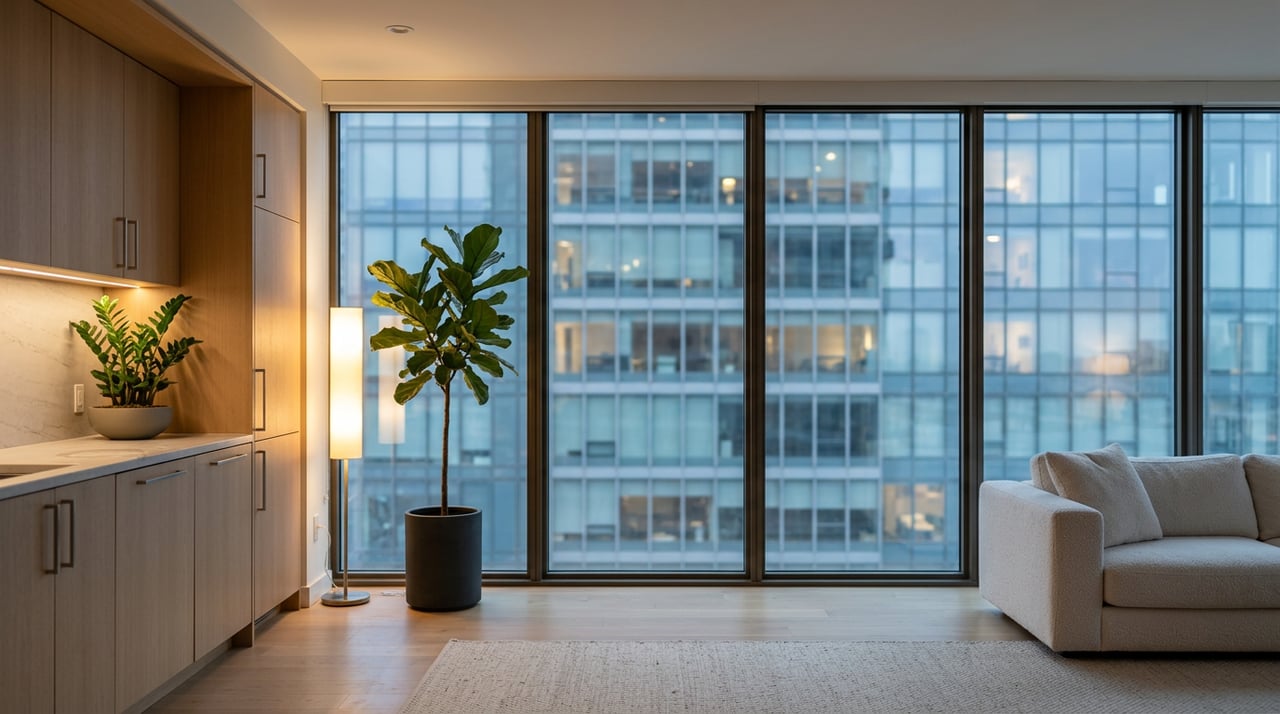
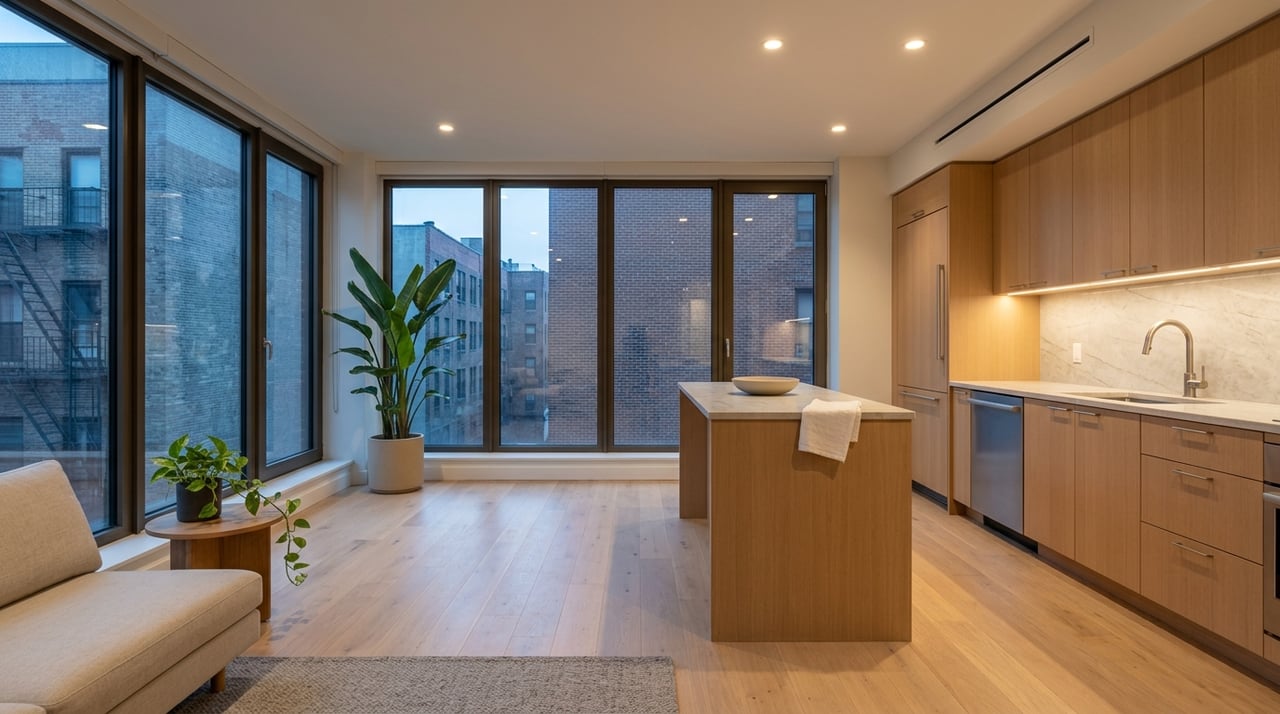
- Plans tend to be more open, especially in later postwar homes. Kitchens often connect to living and dining areas.
- Ceilings are typically lower than in grand prewar spaces, though high ceilings do exist in select newer postwar condos.
- Trim and profiles are simpler, creating a cleaner, contemporary look.
Signature finish elements
- Flooring in renovated postwar homes often uses wider planks or engineered wood for stability. Tile and other durable surfaces are common.
- Moldings are minimal with streamlined door hardware and flush or simple-profile doors.
- Kitchens and baths skew modern, with flat-panel or Shaker cabinetry, quartz or stone counters, and island seating where space allows.
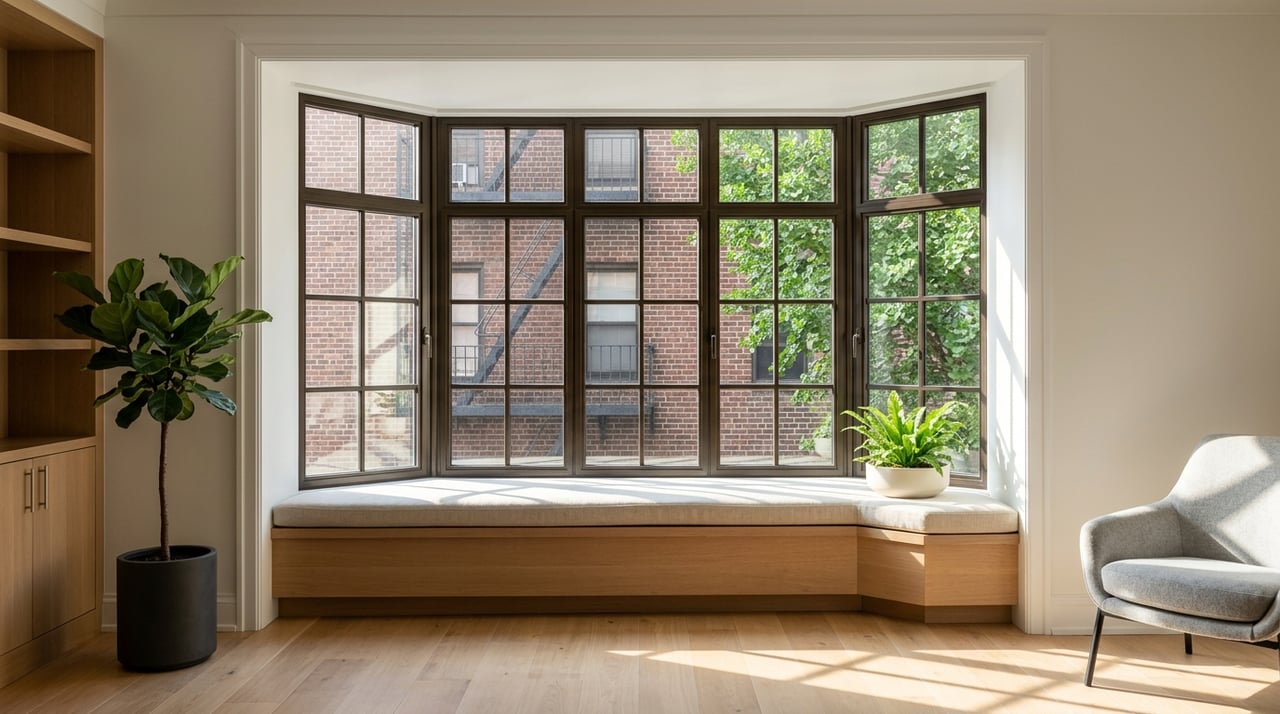
- Windows are often aluminum or steel-framed. Many buildings have upgraded to double-glazed units.
Systems and mechanics
- Mechanical chases and closets tend to be more modern, which can simplify upgrades.
- Central air or through-wall AC units are more prevalent than in older prewar buildings.
Why buyers care
- If you favor open-plan layouts, clean lines, and contemporary amenities, postwar spaces can be easier to tailor to your taste.
- Buyers who want integrated HVAC, larger baths, and smart-home features often find postwar buildings a straightforward canvas for renovation.
Finish trends shaping West Village listings
Restore the character, modernize the daily life
A popular approach is to preserve or re-create prewar details while upgrading the parts you use most. You might keep original moldings and floors, then add a modern open kitchen with integrated appliances if the layout allows. This “sympathetic modernization” lets you enjoy historic proportions without giving up convenience.
Kitchens and baths that sell
- Kitchens: Painted Shaker or flat-panel cabinets, quartz or natural stone counters, and integrated appliances remain in demand. Islands and peninsula seating are popular when circulation allows.
- Bathrooms: Spa-like finishes with large-format tile, frameless glass, and high-end fixtures are common. Heated floors appear in top-tier renovations.
Flooring and color
- Restored herringbone oak in prewar spaces and wider-plank engineered wood in postwar homes are both sought after. The choice depends on context.
- Neutral palettes keep listings marketable. Brass, aged metal, or matte black accents add a premium feel without overwhelming the space.
Sustainability and tech
- LED lighting, low-VOC paints, and water-saving fixtures are broadly adopted. In buildings without central air, mini-split heat pump systems can add comfort without major ductwork.
- Smart thermostats, lighting controls, and discreet security integrations are appearing more often in higher-end renovations.
Loft and adaptive reuse
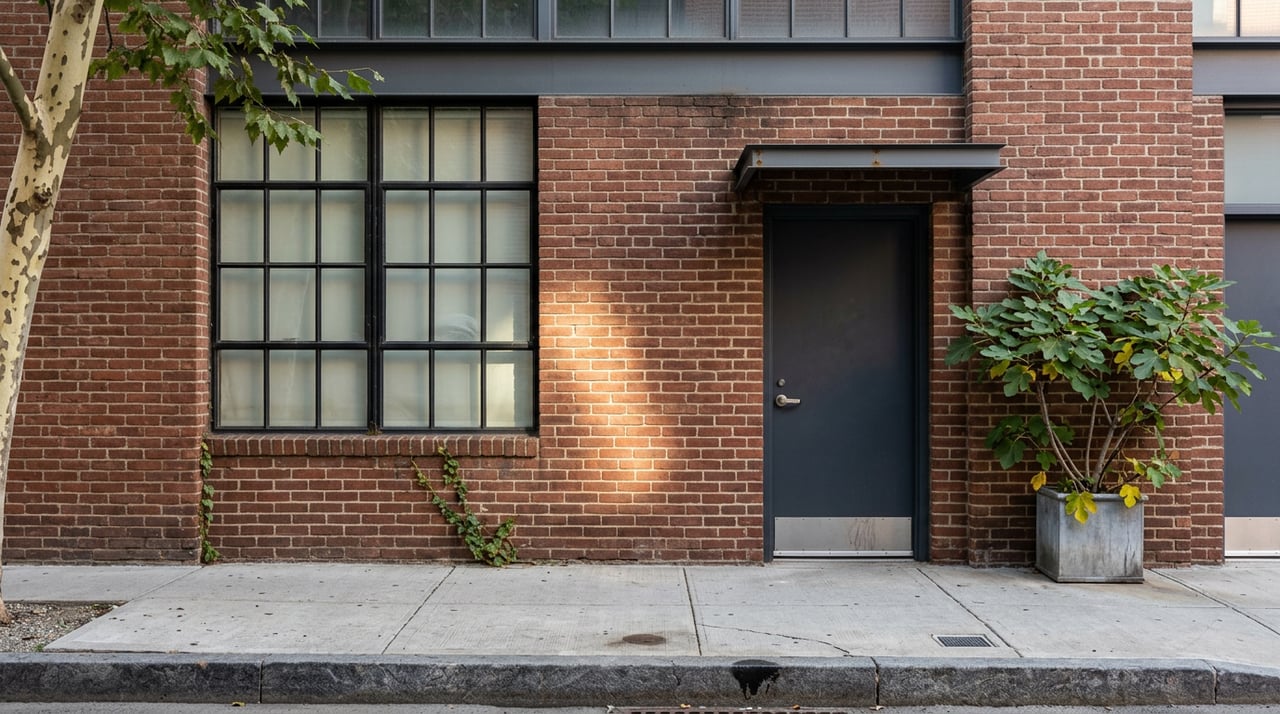
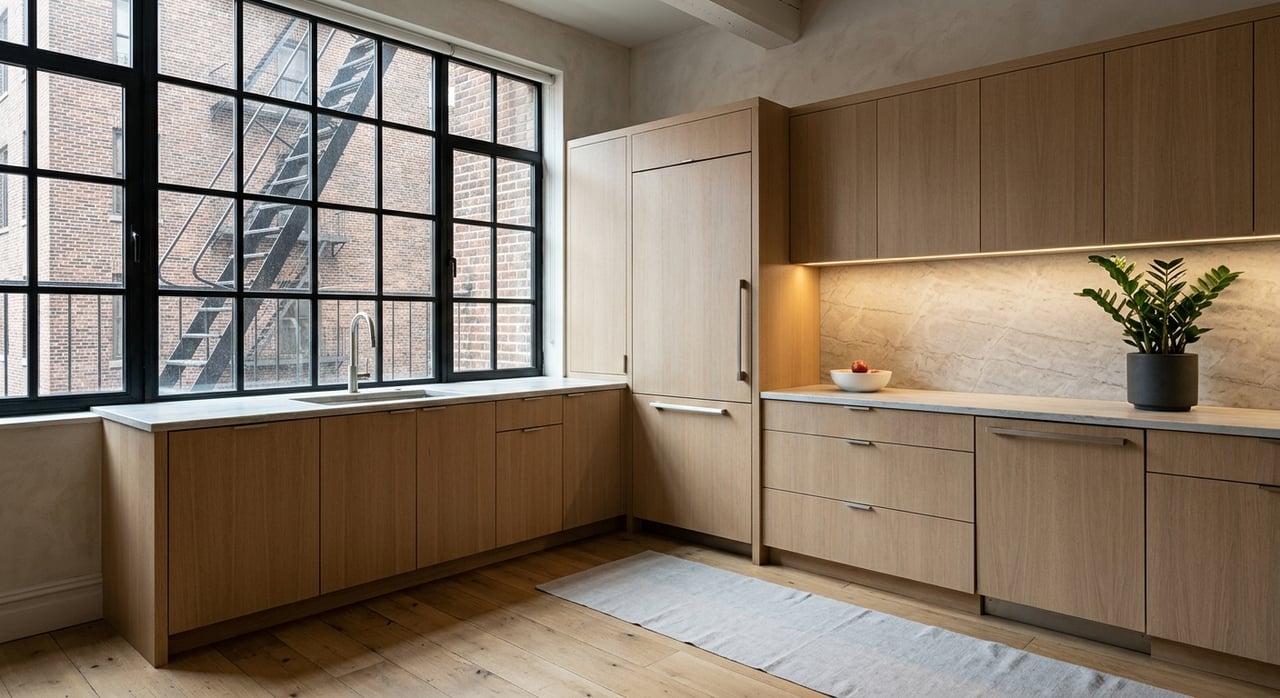
In West Village lofts and converted industrial spaces, you often see exposed brick, beams, and open sightlines paired with boutique kitchens and baths. These homes mix raw materials with refined finishes to emphasize volume and texture.
Renovating in Greenwich Village: what to expect
Renovation scope and speed vary by property type, building rules, and address. Two factors shape most projects here: approvals and governance.
Landmark and permit basics
Parts of the West Village fall within designated historic districts. If your building or exterior is landmarked, exterior changes and certain interior elements require review by the city’s Landmarks Preservation Commission. Significant interior work also typically requires permits from the Department of Buildings. Plan for added lead time, and verify what applies to your address before you set budgets or timelines.
Co-op vs. condo and townhouses
- Co-ops: Many West Village apartments are co-ops. Boards commonly require detailed plans, contractor paperwork, insurance certificates, and strict rules around construction hours and building protection. Structural changes or noisy work often face more scrutiny.
- Condos: Often fewer building-level hurdles, though rules vary by building and association.
- Townhouses: You have more direct control but still must follow LPC and DOB requirements when applicable.
Most approvals can add weeks or months to the schedule. Build that into your planning, especially if you are coordinating a move-in date or timing a sale.
Buyer takeaways: choosing between prewar and postwar
- Prioritize your must-haves. If tall ceilings, plaster walls, and original floors top your list, focus on prewar. If you want central air, larger baths, or a wide-open living area, postwar may fit better.
- Look past staging to systems. Updated electrical panels, modern plumbing stacks, and recent HVAC installations can save you time and cost later.
- Consider layout potential, not just current finishes. Some prewar walls can be opened with the right engineering and approvals. Some postwar kitchens can enlarge or reorient easily due to more modern chases.
- Factor building rules into your timeline. In co-ops, approvals and wet-over-dry rules can shape what is feasible.
Seller strategy: finishes that move the needle
- Lead with strengths. Highlight ceiling height, original millwork, and restored floors in prewar listings. Showcase open kitchens, modern baths, and mechanical upgrades in postwar listings.
- Focus on kitchens and baths. These rooms drive buyer decisions. Neutral, high-quality finishes broaden appeal.
- Document upgrades. Buyers value clear proof of updated plumbing, electrical, HVAC, and any LPC or DOB approvals.
- Avoid over-theming. An ornate restoration that limits function can reduce your buyer pool. Aim for balance: character plus everyday usability.
- Use the right resources. If you plan targeted improvements before listing, a structured approach can reduce friction and elevate presentation.
What to look for during tours
Use this quick checklist to compare apples to apples across prewar and postwar homes:
- Ceiling height and window proportions
- Moldings, doors, and fireplace condition
- Flooring type, pattern, and wear
- Kitchen layout, counter space, and appliance integration
- Bathroom ventilation, tile quality, and fixtures
- Radiators or HVAC setup, electrical panel capacity, and any visible mechanical closets
- Window type and condition
- Evidence of permits or board-approved renovations
- Building rules that impact renovations or daily living
The bottom line
Both prewar and postwar homes thrive in the West Village. Your best fit comes down to how you want to live and what you are willing to renovate. Prewar homes offer irreplaceable architectural character. Postwar homes lean modern and often support open plans and integrated systems. In either case, thoughtful finish choices and a clear approval path can unlock value when it is time to sell.
If you are weighing updates before a sale or want to understand which finishes will resonate with today’s buyers, we can help you shape a plan and coordinate resources. Connect with The Heard | Khedr Team to discuss your goals in Greenwich Village and beyond.
FAQs
What defines a prewar home in the West Village?
- In Manhattan, prewar typically refers to residential buildings constructed before World War II, including brownstones, townhouses, Beaux-Arts co-ops, and loft conversions.
How do postwar finishes differ from prewar finishes?
- Postwar homes often feature open plans, simpler trim, wider plank or engineered flooring, and more integrated HVAC, while prewar homes emphasize tall ceilings, plaster walls, detailed moldings, and original hardwood patterns.
Can I open walls in a prewar Greenwich Village apartment?
- Often, yes, but it may involve structural work, engineering sign-off, Department of Buildings permits, and building approvals. Landmark rules may limit certain changes.
Do prewar details always increase value when selling?
- They often boost buyer interest and can command premiums, but the impact depends on condition, layout functionality, and current market preferences.
Are renovations easier in postwar buildings?
- Sometimes. More modern mechanical chases and simpler trim can make certain updates less complex. Building rules, access, and scope still drive cost and timeline.
What approvals do I need to renovate in the Greenwich Village Historic District?
- Substantial interior work typically requires Department of Buildings permits. Exterior changes and some notable interior elements may also require Landmarks Preservation Commission review and approval, depending on the property.