Living on the Upper East Side: A Day in the Neighborhood
February 5, 2026
February 5, 2026
What does an ordinary Tuesday look like north of 59th Street, between Central Park and the East River? If you are curious about how daily life actually feels on the Upper East Side, you are not alone. This guide walks you through a full day, from coffee and park time to subways, museums, dinner plans, and the housing choices that shape it all. By the end, you will see how different blocks offer different rhythms and what to consider if you plan to make this neighborhood home. Let’s dive in.
Mornings often begin with a quick stop at a neighborhood café, then a short walk to the subway. On quieter townhouse blocks, you see dog walkers and strollers moving at an easy pace. Along Lexington and Third Avenues, the pace quickens with commuters and grab-and-go lines. The contrast is part of the appeal, especially near Carnegie Hill’s residential streets.
Proximity to Central Park shapes daily life. Many addresses are a short walk to east-side entrances where you can run the loop, visit playgrounds, or join an early fitness group. If you prefer waterfront views, Carl Schurz Park along the East River between the high 80s and 90s offers leafy paths, dog runs, and a quieter morning scene.
Fitness options are varied. You will find yoga, pilates, and spin studios tucked along the avenues, as well as community centers and running groups meeting near the park. Citi Bike stations are easy to spot and make short rides to a class or the office convenient.
Daytime errands are simple when you live close to Madison, Lexington, Third, or Second Avenue. You can pick up groceries, stop by a pharmacy, grab prepared foods, or browse a boutique without planning a major trip. Cross streets with busier corners often have more options, while side streets tend to stay residential.
The Fifth Avenue stretch known as Museum Mile is a cultural anchor. The Metropolitan Museum of Art and the Solomon R. Guggenheim attract visitors throughout the week, and nearby institutions like the Jewish Museum and Cooper Hewitt add depth. If you live near Fifth or Madison, a quick mid-afternoon gallery visit or museum tour can be part of your routine.
Midday energy often shifts toward school pick-ups and afterschool activities. The neighborhood includes public schools, pre-K programs, and a concentration of private schools. Admissions processes and timelines vary, so families typically plan ahead and gather details directly from school sources.
The Lexington Avenue Line, served by the 4, 5, and 6 trains, is a central route for north-south commuting. The Second Avenue Subway, served by the Q, provides another option with reliable access to Midtown and beyond. After the Q line opened, many residents found alternate routes that eased crowding and shortened trips in certain pockets.
Crosstown buses like the M79 and M86 make it straightforward to reach the West Side or Central Park destinations. Walking is common for short errands, while Citi Bike coverage on the East Side supports quick trips to classes, offices, or lunch. For many residents, daily routines are set by the nearest subway entrance or bus stop and the convenience of those cross-park links.
Street parking is limited and closely regulated, so many households do not keep a car. Those who do usually rely on monthly garages and plan around alternate side rules. App-based rides and taxis cover late dinners, museum events, or trips to airports as needed.
Evenings on the Upper East Side tend to be low-key. You will find casual bistros, long-running neighborhood restaurants, and upscale dining clustered along Madison Avenue and near Museum Mile. Prepared-food markets and delis make it easy to bring dinner home when you do not want to book a table.
Bars in the area are often local in feel, with patrons who live nearby and an emphasis on conversation. If you want a cultural night out, museum programming and nearby theater events are popular choices. The overall rhythm is social without late-night club noise that defines other parts of Manhattan.
On many blocks you can enjoy a quiet evening walk after dinner. Townhouse streets near the park or closer to East End Avenue feel calm, while avenues stay busier with transit and restaurant activity. Your specific cross street will shape the soundscape and your evening routine.
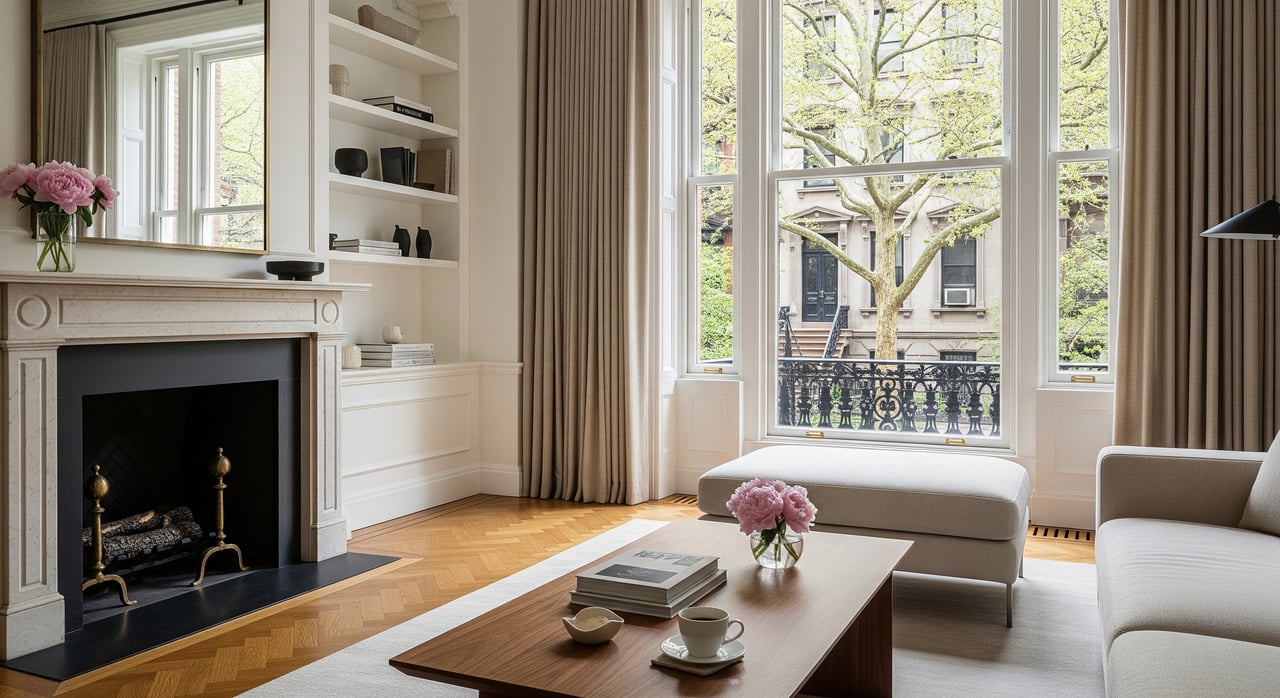
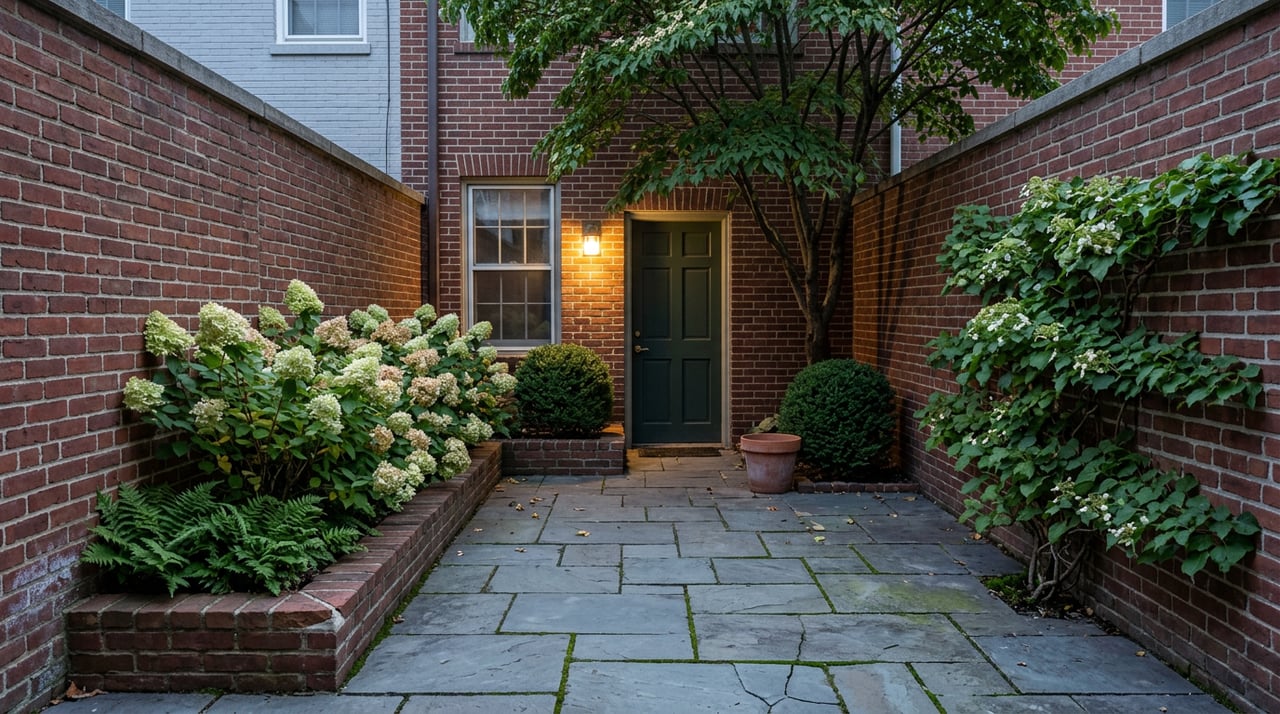
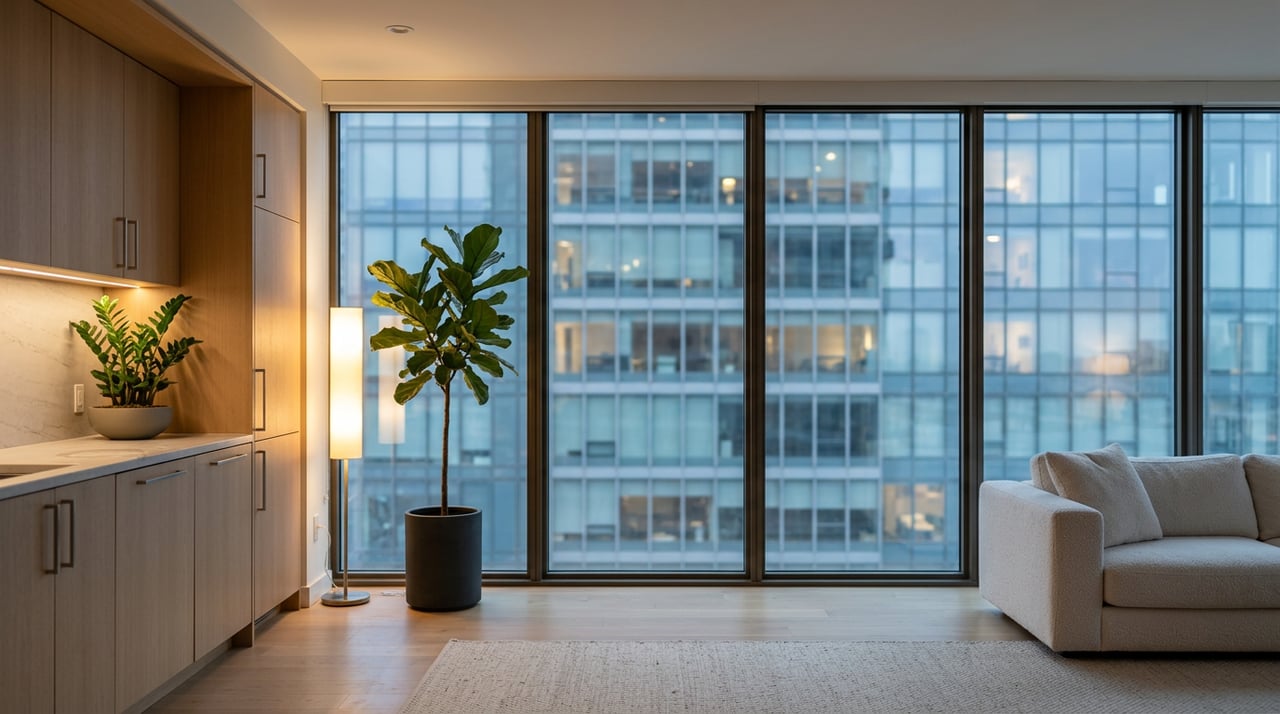
The Upper East Side offers a mix of prewar co-ops, brownstones, mid-century towers, and newer glass condominiums. Co-op ownership has been the historic norm in many sections, especially near Madison Avenue and Central Park. Condos, including new developments, are more common along major avenues and in newer buildings. You also see townhouse pockets, some single-family and others converted to multi-unit layouts.
Buyers often encounter detailed co-op board applications that require financial documentation and an interview. Condos usually offer a more streamlined path for purchasers who prefer fewer ownership restrictions, though prices per square foot can be higher. Unit sizes range widely, from studios and one-bedrooms to larger two- and three-bedroom residences, plus penthouses and full-floor layouts.
Prices in many parts of the Upper East Side are above Manhattan averages, particularly close to Central Park and along Madison Avenue. Inventory and trends vary by building type, bedroom count, and exact location. If you plan to buy, it helps to compare recent activity by micro-neighborhood and building style to understand value and timing.
You will find public elementary options, pre-K programs, and many private schools in the neighborhood. Each path has different admissions steps and schedules, so families gather details directly from the NYC Department of Education and individual schools. Many parents organize their day around pick-ups, afterschool activities, and nearby park time.
Major hospitals and medical offices on the East Side are accessible from the neighborhood, with primary care and specialist clinics located nearby. This access is helpful for routine care, checkups, or specialist visits without long travel times.
The Upper East Side is often perceived as relatively safe compared with many large urban neighborhoods, though conditions vary by block and time of day. Noise levels differ too, with avenues carrying more traffic and side streets staying calmer. Building services such as doormen and concierges can add convenience for deliveries, maintenance requests, and daily needs.
You will find dog runs and pet-friendly areas with posted rules, plus the East River Esplanade for walks or bike rides. Central Park and Carl Schurz Park offer playgrounds, lawns, and scenic paths. Private gyms and local community centers add indoor options when weather shifts.
Carnegie Hill, roughly in the upper 80s to 96th near Fifth and Madison, is known for townhouse blocks and proximity to Museum Mile. Many streets here feel residential, with tree-lined sidewalks leading toward the park. Shopping and services remain close along Madison and Lexington.
Yorkville covers much of the eastern section, especially above the mid-80s. You see a mix of newer buildings, long-standing apartment houses, and easy access to the Q line. East End Avenue places you near Carl Schurz Park and the Esplanade, with a quieter riverfront feel.
Living near Central Park usually means faster access to green space and a price premium. Addresses closer to Second Avenue or the river often offer different price points and, in some areas, newer construction. Your choice depends on which daily trade-offs matter most to you, such as commute, quiet, or access to the Q line.
If the Upper East Side matches your daily rhythm, the next step is to align lifestyle goals with the right building type and location. A co-op on a tree-lined block near the park offers a different experience than a newer condo along Second Avenue. Both can be excellent choices depending on your needs.
You do not have to navigate the micro-markets alone. With a high-touch, data-informed approach, the team at The Heard | Khedr Team helps you compare co-ops and condos, understand board and closing timelines, and identify the block-by-block nuances that shape value. When you are ready, we are here to guide your search from first tour to closing.
Stay up to date on the latest real estate trends.
Get In Touch With Our Team To Learn More
Heema Khedr
110 Fifth Avenue, Floor 7 New York NY 10011