Relocating to New York for work and eyeing Tribeca? You’re not alone. The neighborhood blends quiet streets with world-class dining, riverfront green space, and fast access to major business hubs. In this guide, you’ll learn the housing paths that work for corporate transferees, how long things take, what documents you need, and how to set a smooth timeline from temporary housing to a long-term home. Let’s dive in.
Why Tribeca works for relocations
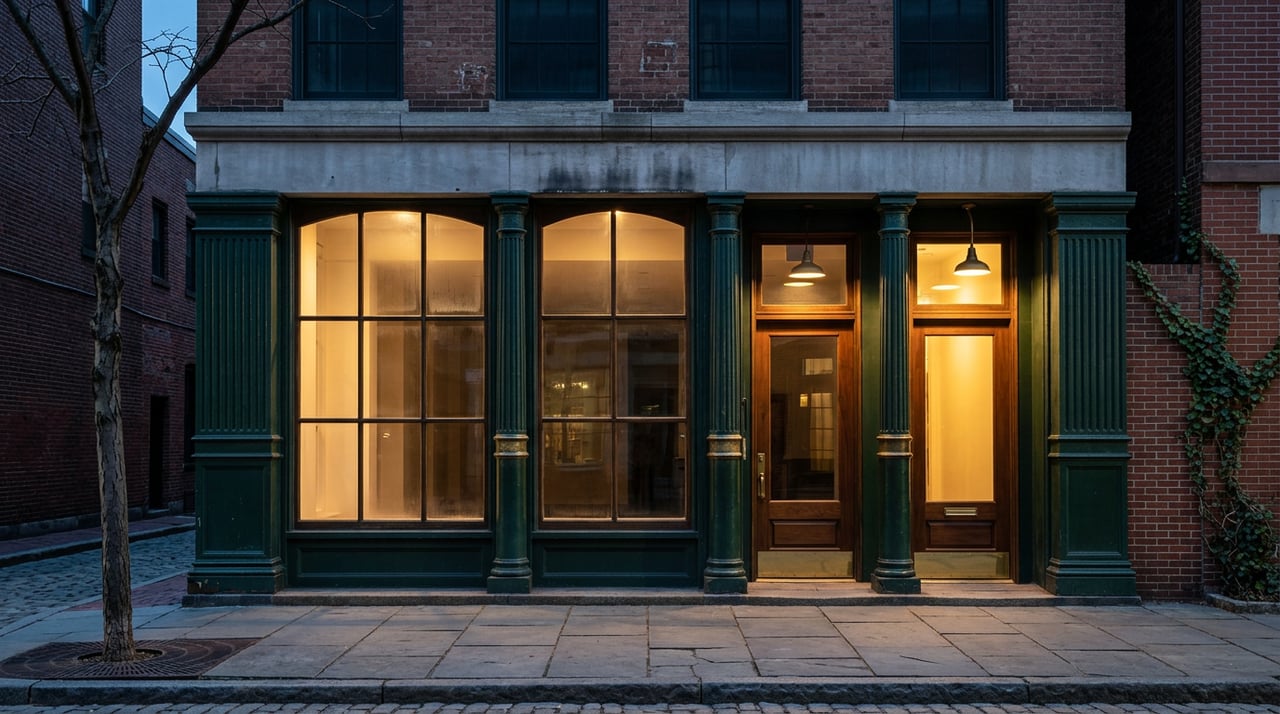
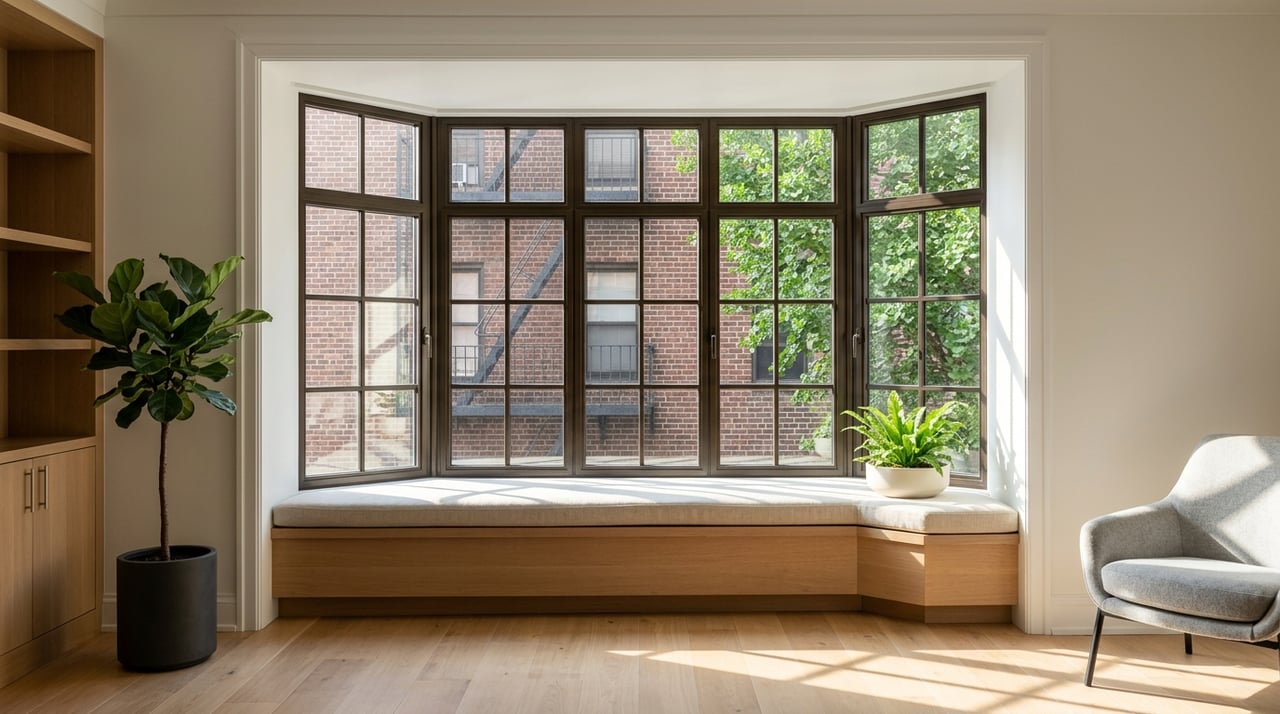
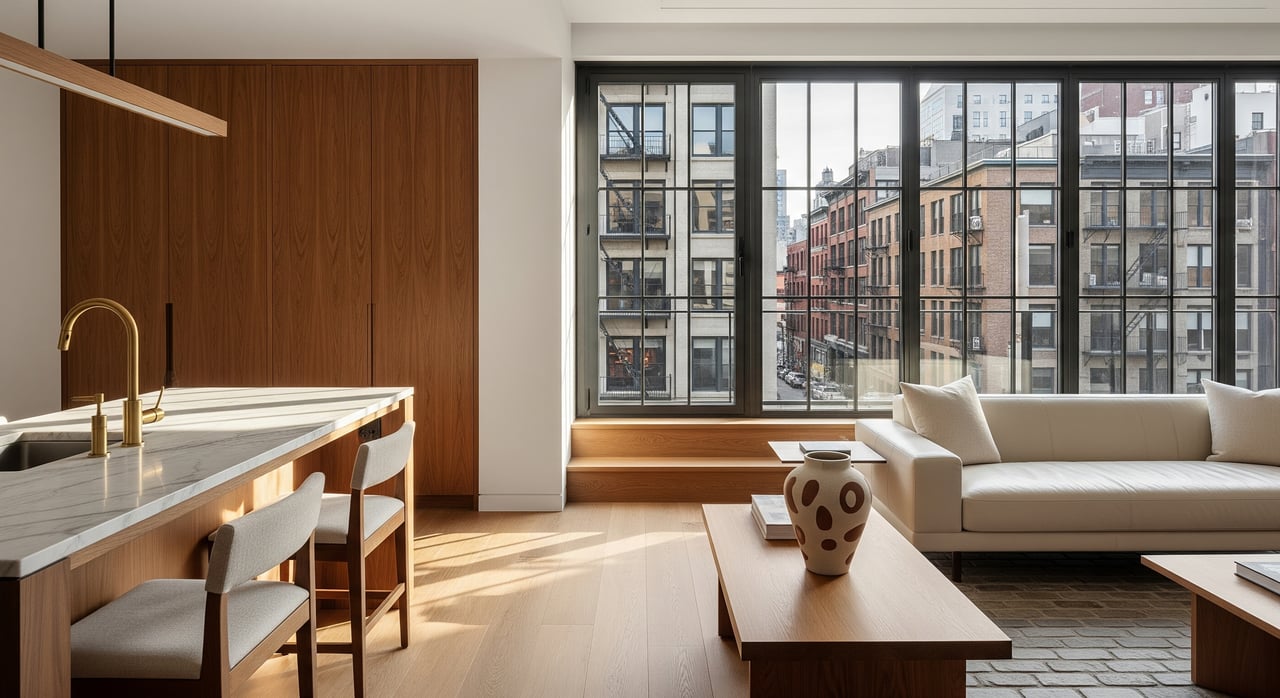
Tribeca sits in Lower Manhattan with a mix of converted lofts, new luxury buildings, boutique condos, and a few townhouses. You get walkability, upscale retail, fitness studios, and Hudson River Park. Many buildings offer doorman service, concierge, gyms, roof decks, and package rooms.
Commuting is straightforward. Multiple subway lines and bus routes serve the area, and you can access nearby hubs quickly. Citi Bike and the NYC Ferry add options for certain routes.
Who chooses Tribeca most often: senior executives, finance and tech professionals, and households that value space and amenity-rich buildings. Inventory and pricing skew to higher-income transferees.
Your housing pathways
Short-term, furnished solutions
Short-term options include corporate apartments, serviced residences, extended-stay hotel suites, and flexible leases from 30 to 90 days or more.
Pros:
- Quick move-in with furniture, utilities, and housekeeping included.
- Flexible terms that match assignment windows.
- Turnkey billing, often handled directly with your company.
Cons:
- Higher monthly cost than a standard lease.
- Limited selection in peak seasons.
- Fewer large units available.
Best use: secure immediate housing while you search for a long-term rental or finalize a purchase.
Long-term rentals
Tribeca rental choices range from luxury doorman buildings to classic loft conversions and condo rentals.
Pros:
- Wider selection than short-term housing.
- More predictable monthly cost and community connection.
- Option to target layouts and amenities that match your lifestyle.
Cons and notes:
- Broker fees may apply in the open market unless your company arranges otherwise.
- You will submit a standard application: ID, credit, pay stubs or employer verification, bank statements, and references.
- Larger 2 to 3 bedroom units exist but can be limited and priced at a premium.
Timing: with documents ready, many renters can apply, sign, and move in within 2 to 4 weeks. Corporate guarantees or employer-paid leases often speed approvals.
Buying in Tribeca
You will see three main ownership types: condos, co-ops, and rare townhouses.
Condos:
- Generally simpler approval and more flexible subletting. That can help if your assignment changes.
- Newer condos often have higher purchase prices and common charges.
- Closing timelines are often shorter compared with co-ops.
Co-ops:
- Many of Tribeca’s classic lofts are co-ops with board applications and interviews.
- Asking prices can be lower than comparable condos.
- Expect stricter financials, higher down payments, less flexible subletting, and longer approval timelines.
Townhouses:
- Rare and very high priced.
- Offer more privacy and a single-family feel but require direct responsibility for maintenance and taxes.
Costs and planning
Tribeca is one of Manhattan’s most expensive neighborhoods. Short-term furnished housing typically costs more per month than a standard lease. One and two bedroom rentals command premium rents, and larger layouts are less common and price higher. For purchases, both condos and co-ops trend high, especially for larger floor plans or new developments. Use current neighborhood market reports from major brokerages and platforms to benchmark live pricing as you plan.
How the corporate process works
A typical flow looks like this:
- HR or your relocation company sets budget, duration, and policy details.
- Short-term housing is reserved for immediate arrival.
- You begin an on-the-ground search for a long-term rental or purchase.
- Submit your application or offer, then complete lease signing or, for purchases, board packet and closing.
Two track plan:
- Path A: Short-term first. Land quickly, learn the neighborhood, and run a targeted search before committing to a long lease or purchase.
- Path B: Direct entry. If policy and timing allow, go straight to a 12-month lease or a condo or co-op purchase to minimize moves.
Paperwork that speeds approvals
For renters, prepare:
- Government ID and credit report.
- Recent pay stubs or employment verification.
- Bank statements and, if requested, tax returns or W-2s.
- Personal and landlord references.
For HR and relocation teams, provide:
- A corporate guarantee or assignment letter on company letterhead that confirms payment responsibility, housing duration, contacts, and billing instructions.
- Any preferred vendor lists to streamline scheduling and fee structures.
Negotiation levers employers can use:
- Cover the broker fee or offer a corporate guarantee to widen options.
- Request furnished add-ons or flexible terms.
- Block-book short-term units during high-demand periods.
Timing and logistics in Tribeca
Leases are commonly 12 months, with some owners open to 6 to 24 months. Expect around 2 to 4 weeks from application to move-in if your documents are complete. Security deposit and first month’s rent are typically due at signing.
For purchases, condos often close in roughly 30 to 60 days depending on financing and building review. Co-op board processes add time for packet preparation, review, and interviews.
Plan your move early. Many buildings require elevator reservations and limit moving hours. On-street parking is tight, and garage parking is limited and often costly. If you have a company car, explore garage options or consider car-alternative allowances. Smaller apartment sizes can make temporary storage useful during your first months.
Family and lifestyle factors
Many buildings permit pets, but policies vary and may include breed or size restrictions. If schools or childcare are part of your decision, review local public and private options, daycare availability, and healthcare providers. Higher-end buildings sometimes include playrooms and shared workspaces that help with daily routines.
Subletting rules differ by building. Co-ops often limit subletting, while condos tend to be more flexible. Short-term rentals are tightly regulated in New York City, so rely on corporate housing providers that follow local laws.
Due diligence checklists
Rentals:
- Confirm lease start and end dates and renewal options.
- Clarify who pays the broker fee and what utilities are included.
- Review pet rules, amenity access, move-in fees, and elevator booking.
- Ask about subletting or assignment policies.
Purchases:
- Review building bylaws and, for co-ops, board policies and approval steps.
- Understand maintenance or common charges, reserves, assessments, and any flip taxes.
- Check building management, recent capital projects, and litigation history.
- Confirm parking options if needed.
Temporary housing:
- Verify that the price includes utilities, internet, cleaning, and any taxes or fees.
- Check cancellation terms and extension options.
- Confirm the provider’s compliance with local short-term rental rules.
Nearby alternatives to consider
If you want Tribeca’s feel but need more options, look at Hudson Square, Battery Park City, the West Village, SoHo, or the Financial District. Each offers strong transit, walkability, and access to amenities, with different mixes of inventory and price points.
How we help
You want a move that feels controlled, fast, and well negotiated. Our team pairs hands-on search strategy with deep knowledge of Manhattan buildings, board processes, and the documentation standards that matter in corporate placements. We help you select the right path, assemble a complete application package, and schedule showings that fit your timeline.
If you are planning a relocation, connect with The Heard | Khedr Team for a tailored plan and on-the-ground support across rentals and purchases in Tribeca and nearby neighborhoods.
FAQs
How long does housing take in Tribeca?
- With documents ready, standard rentals often take 2 to 4 weeks from application to move-in, short-term housing can be immediate, condos may close in 30 to 60 days, and co-ops take longer due to board review.
Should I start with short-term housing or sign a lease?
- If timing is tight or you want to learn the area, begin with a furnished short-term stay, but if your employer provides a corporate guarantee and you know your must-haves, direct entry into a long-term lease can work.
What are my options for 3-plus bedroom homes?
- Larger layouts are less common and price higher, so target larger condo rentals, select luxury buildings, or rare townhouses, and start early with flexible timing and criteria.
How do co-op rules impact flexibility?
- Co-ops often have stricter financials, longer approvals, and tighter subletting rules, while condos usually offer simpler approvals and more flexible rental options if your assignment changes.
Who pays the rental broker fee in Tribeca?
- In many open-market rentals the tenant pays, but corporate relocation packages can cover the fee or use preferred providers that reduce or remove it.
What amenities are common in Tribeca buildings?
- You will often find doorman service, concierge, fitness centers, roof decks, package rooms, and sometimes playrooms or shared workspaces, while on-site parking is limited and extra.
How can HR speed an international transferee’s move?
- Provide a corporate guarantee, a clear assignment letter, preferred vendor contacts, and schedule showings with relocation-experienced brokers to streamline approvals and timing.