Tribeca Condo vs Loft Market: Resale Trends & Strategy
December 4, 2025
December 4, 2025
Are you weighing a Tribeca loft against a condo for your next move? You are not alone. Both options can deliver strong resale value, but they behave differently on price per square foot, time on market, and buyer demand. In this guide, you will learn how to compare lofts and condos the right way in Tribeca, what drives premiums, and the checkpoints that protect your investment. Let’s dive in.
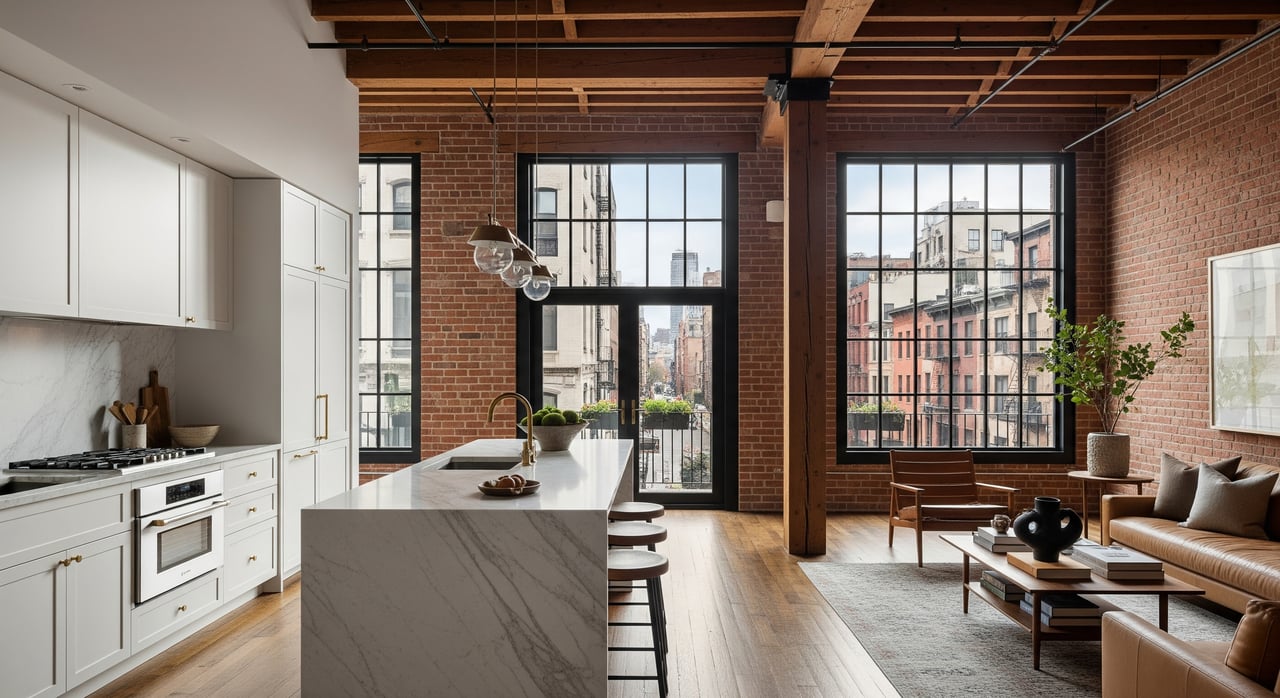
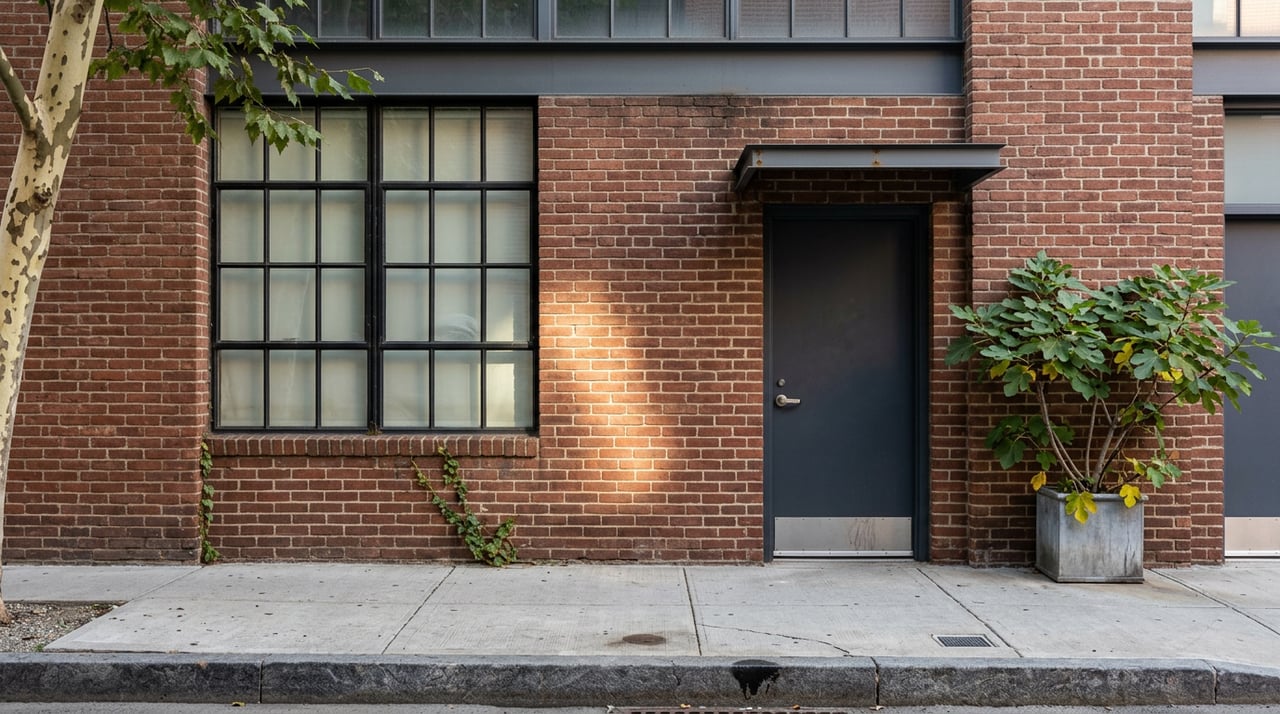
A condominium is a legal ownership form. You own your unit’s interior plus a share of common elements. A loft is an architectural style. In Tribeca, a loft usually features high ceilings, large industrial windows, and open layouts that reflect the neighborhood’s warehouse past.
Lofts can be condos or co-ops. Some are covered by New York’s Loft Law, which adds specific compliance steps. When you compare resales, separate the legal form first, then evaluate whether a unit has loft attributes.
Most public records classify apartments by legal form, not by “loft.” Listing descriptions use the term loosely. For accurate comparisons, tag lofts by physical features such as ceiling height, open plans, and original industrial conversion. Confirm details with building records and floor plans when you can.
In a small, high-end market like Tribeca, averages swing with outliers. Use medians and interquartile ranges over 3 to 5 years. Normalize by size because price per square foot declines at larger unit sizes. Watch floor level and exposure because those can skew value.
Days on market and sale-to-list price ratio help you see momentum. Lofts can sell quickly when character is rare and presentation is strong. Newer condo buildings with full amenities can also move fast, especially if they attract wider financing and investor interest. Look at quarterly trends for a clearer signal.
New development releases can distort condo stats in a single quarter. Track months of supply and note when bulk closings occur in a single building. Compare resale-only series to avoid new development noise when your focus is exit value on a lived-in unit.
Authentic lofts in historic conversions often command premiums because of scarcity and dramatic space. Buyers value volume, light, and character. That said, large new-construction condos with concierge-level amenities can outperform on a per-square-foot basis in some periods. The result depends on building quality, service level, and the size mix of units closing in any given quarter.
Tribeca’s low transaction counts make monthly data volatile. Medians and quarterly views are more reliable for your pricing and timing decisions. Always flag whether the condo data includes new development closings and whether loft sales are condo or co-op.
Some Tribeca units fall under the Loft Law, which governs conversions and tenant protections. If a unit is covered, buyers and lenders often require evidence of compliance and proper certificates. Confirm status through the Loft Board and review any open items.
Portions of Tribeca are landmarked. Exterior changes can be restricted, and some interior work may require additional steps. This can preserve character, which some buyers value, but may increase renovation timelines and costs. Check designation maps before assuming you can add windows or outdoor space.
New York State and City transfer taxes apply to many sales, and the state’s mansion tax can affect higher price points. These thresholds influence how some buyers price offers. Review current rates when planning your budget and net sheet. Property tax assessments differ by building and can shape long-term holding costs.
Lenders may treat lofts with nonstandard layouts differently during underwriting. Appraiser comps can be harder to source, and some lenders set lower loan-to-value limits for unique properties. Co-ops tend to require stronger financial profiles than condos, which narrows the buyer pool and can influence time on market.
If you want a clean pricing strategy for your loft or condo, start with the right dataset and a plan for presentation. Our team pairs local insight with white-glove execution. We build comp sets that separate resale from sponsor closings, prepare financial docs early, and tailor staging to highlight what matters most in Tribeca.
Ready to talk strategy or see your unit’s range today? Reach out to the The Heard | Khedr Team to get a precise valuation and a clear plan for timing, marketing, and negotiation.
Stay up to date on the latest real estate trends.





Get In Touch With Our Team To Learn More

Heema Khedr
110 Fifth Avenue, Floor 7 New York NY 10011